Sushi rice has a texture all its own. If you’ve ever wondered why it clings together so perfectly, the answer is in its chemistry and how you prepare it.
Sushi rice is sticky because it contains high amounts of a starch called amylopectin, which forms a gel-like substance when the rice is cooked and absorbs water.
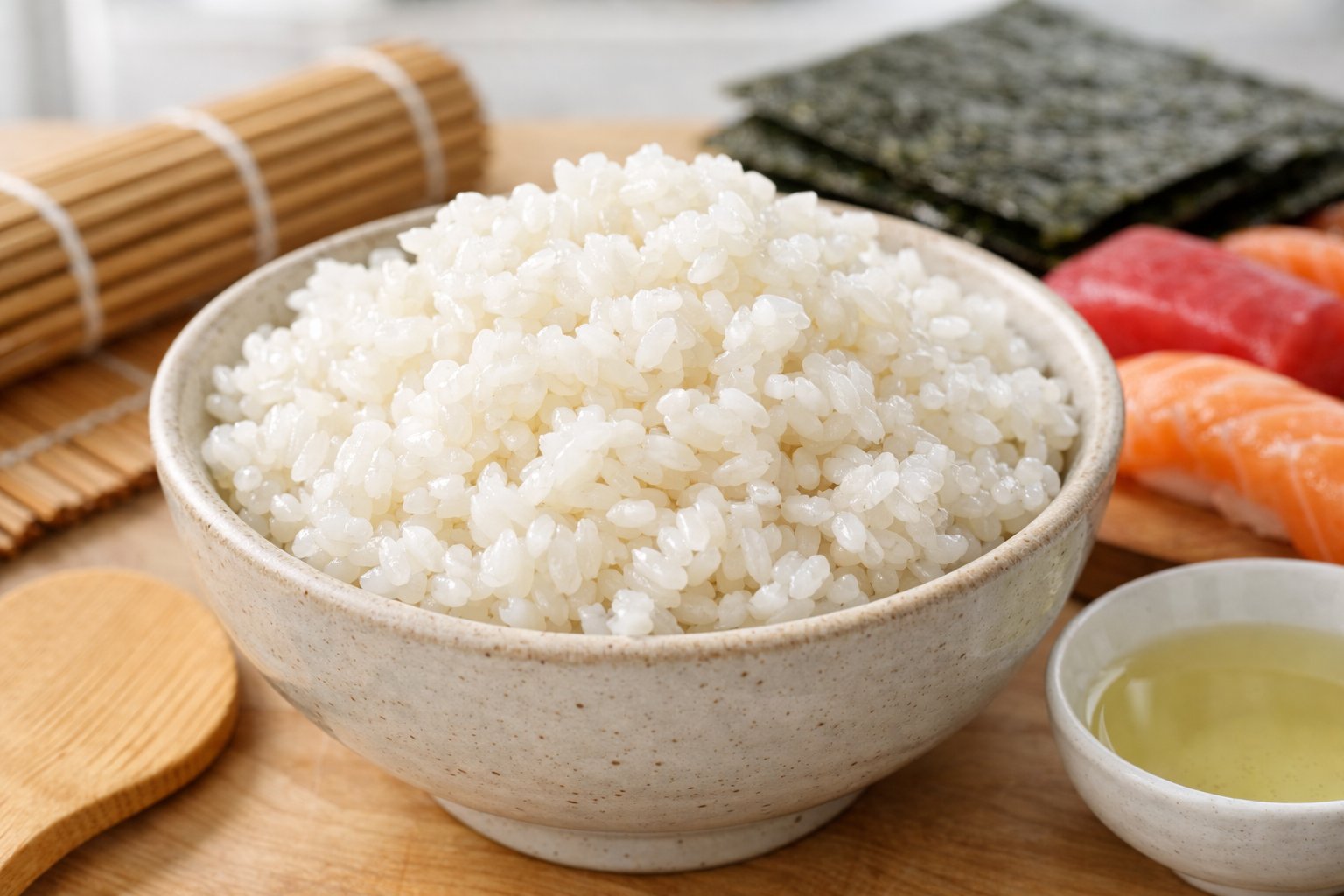
Stickiness isn’t just a happy accident. Short-grain Japanese rice varieties, the kind used for sushi, naturally have more amylopectin than other rices.
When you cook this rice, the starch granules swell and create a sticky paste that holds the grains together. This texture is crucial for sushi.
Without enough stickiness, your rice wouldn’t hold its shape for nigiri or maki. Knowing what creates this texture helps you make better sushi rice at home.
Key Takeaways
- Sushi rice is sticky due to its high amylopectin starch content, which forms a gel when cooked.
- Short-grain Japanese rice varieties are specifically chosen for their natural stickiness.
- Proper cooking techniques and water ratios are essential for achieving the ideal sticky texture.
The Science Behind Why Sushi Rice Is Sticky
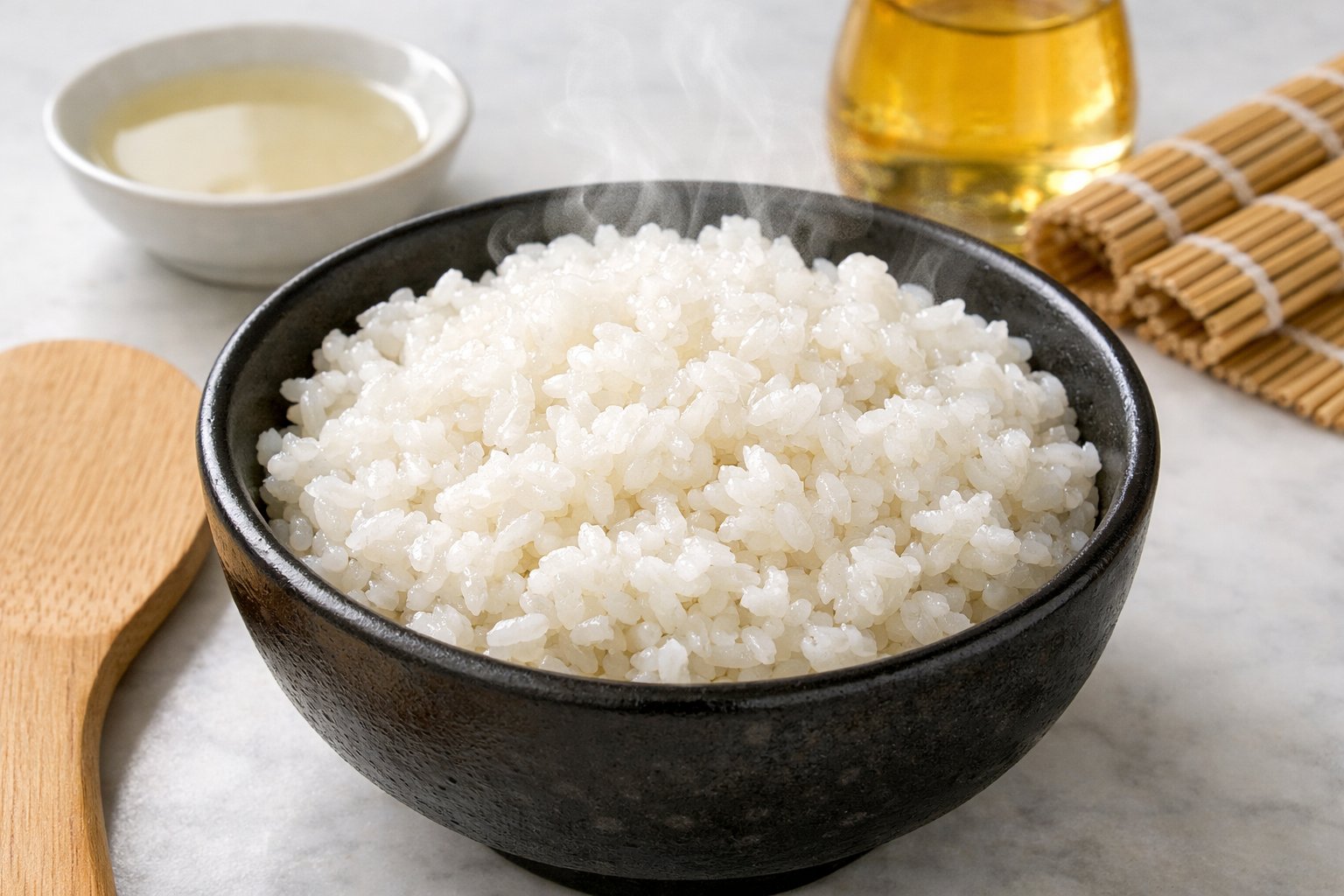
Sushi rice gets its sticky texture from certain starch molecules that bind the grains together when heated with water. The balance of these starches, along with how they change during cooking and the rice’s protein and water levels, creates that perfect adhesive quality.
Starch Composition: Amylopectin and Amylose
Rice contains two main starches: amylopectin and amylose. Short-grain rice for sushi is made up of about 15-20% amylose and 80-85% amylopectin.
This high amylopectin ratio is what makes sushi rice sticky. Amylopectin has a branched structure that traps water, creating a gel-like consistency as it cooks.
These branches let molecules connect with neighboring rice grains more easily. Amylose, on the other hand, has a straight chain structure and gives a firmer, less sticky texture.
Long-grain rice has more amylose, which is why it stays fluffy and separate. It just doesn’t clump like sushi rice.
The Gelatinisation Process During Cooking
When you cook rice, the starch granules soak up water and swell at about 60-78°C. This process, called gelatinisation, turns hard starch granules into a soft, sticky gel.
Amylopectin molecules burst out and form a network that binds the grains. As the rice cools, the starch molecules start to recrystallise and firm up.
This cooling phase is key for getting the right consistency for sushi. The sticky texture persists, but the rice doesn’t get mushy.
Role of Protein and Water Content in Adhesion
Rice has about 6-8% protein. These proteins form a thin layer on the surface of cooked rice grains, helping them stick together.
The amount of water you use affects how much the starch can gelatinise. Short-grain sushi rice needs a 1:1 to 1:1.2 ratio of rice to water.
Too much water makes the rice mushy. Too little, and it’s hard and doesn’t get sticky enough.
Selecting the Right Rice for Stickiness
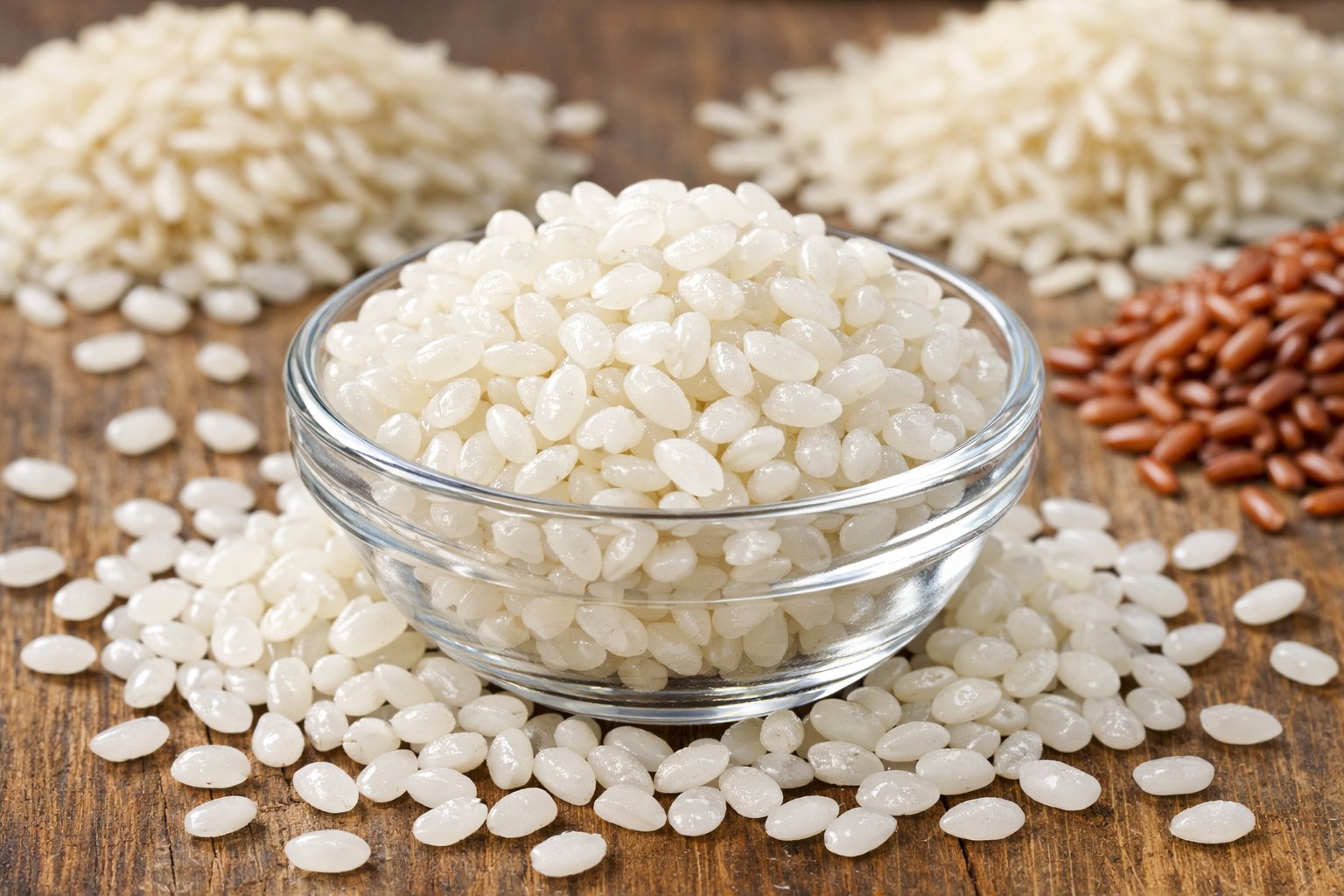
The rice you pick directly determines how sticky your sushi rice will be. Short-grain Japanese varieties have more starch, creating that adhesive texture sushi needs.
Japanese Short-Grain Rice vs. Other Types
Short-grain rice grains are shorter and wider than long-grain ones. That shape means more starch per grain.
Japanese short-grain rice belongs to the japonica subspecies. These grains are about 5 millimetres long and have a high starch content, producing the stickiness sushi requires.
When cooked, the starch granules absorb water and create a gel between the grains. Medium-grain rice like Calrose can work for sushi, but it’s less sticky.
Long-grain rice just doesn’t cut it—it stays fluffy and separate. Glutinous rice (or sweet rice) might sound like a good idea, but it’s actually too sticky and gummy.
It lacks the firm, tender texture sushi rice needs.
Recommended Sushi Rice Varieties
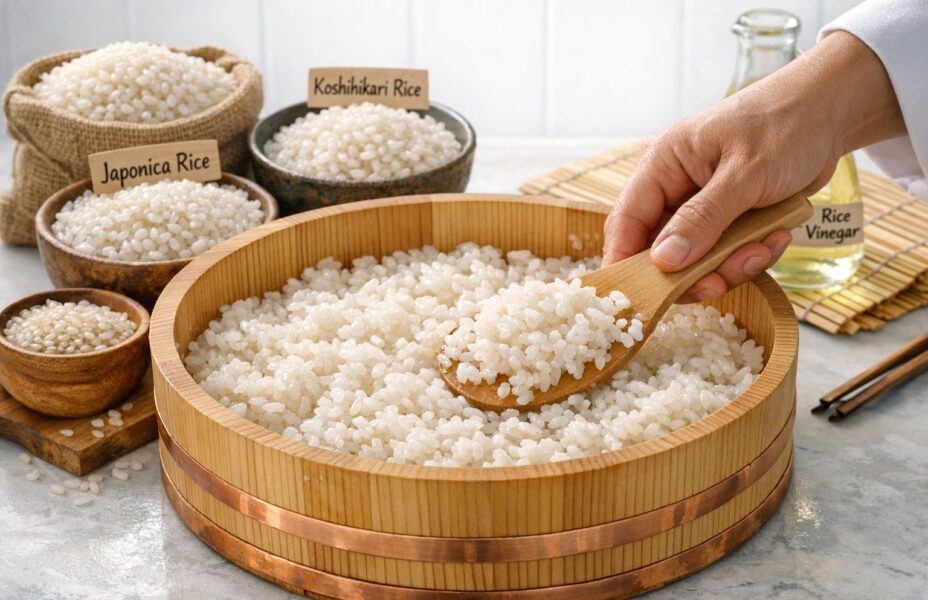
Koshihikari is the gold standard for sushi rice in Japan. It’s sticky, slightly sweet, and professional chefs love it.
Akita Komachi (Akitakomachi) is similar to Koshihikari but a bit cheaper. It comes from Akita prefecture and gives reliable stickiness for home cooks.
Nishiki is easy to find outside Japan and works well for sushi. Most Asian grocery stores carry it, and it’s affordable.
Calrose rice, grown in California, is a medium-grain option. It’s not as sticky as Japanese short-grain rice, but it’s good for beginners.
Look for packaging that says “sushi rice” or “japonica rice.” Those are your best bets for sticky sushi rice.
Impact of Rice Milling and Quality
Milling removes the outer bran layer from rice. Fully polished white rice gets stickier than partially milled rice because the exposed starch interacts with water more easily.
Higher-quality rice is milled carefully to preserve grain integrity. Broken grains soak up water unevenly and don’t get as sticky.
Check your rice for broken pieces—premium types should have very few. Fresh rice makes a difference, too.
Rice that’s been sitting around for a year or more loses moisture and may need more water when you cook it. Look for the packaging date to see how fresh it is.
Store rice in a cool, dry place. Heat and humidity degrade the starch and affect stickiness.
Buy from stores with good stock rotation if you can. Fresh is always better.
Preparation Techniques That Influence Stickiness
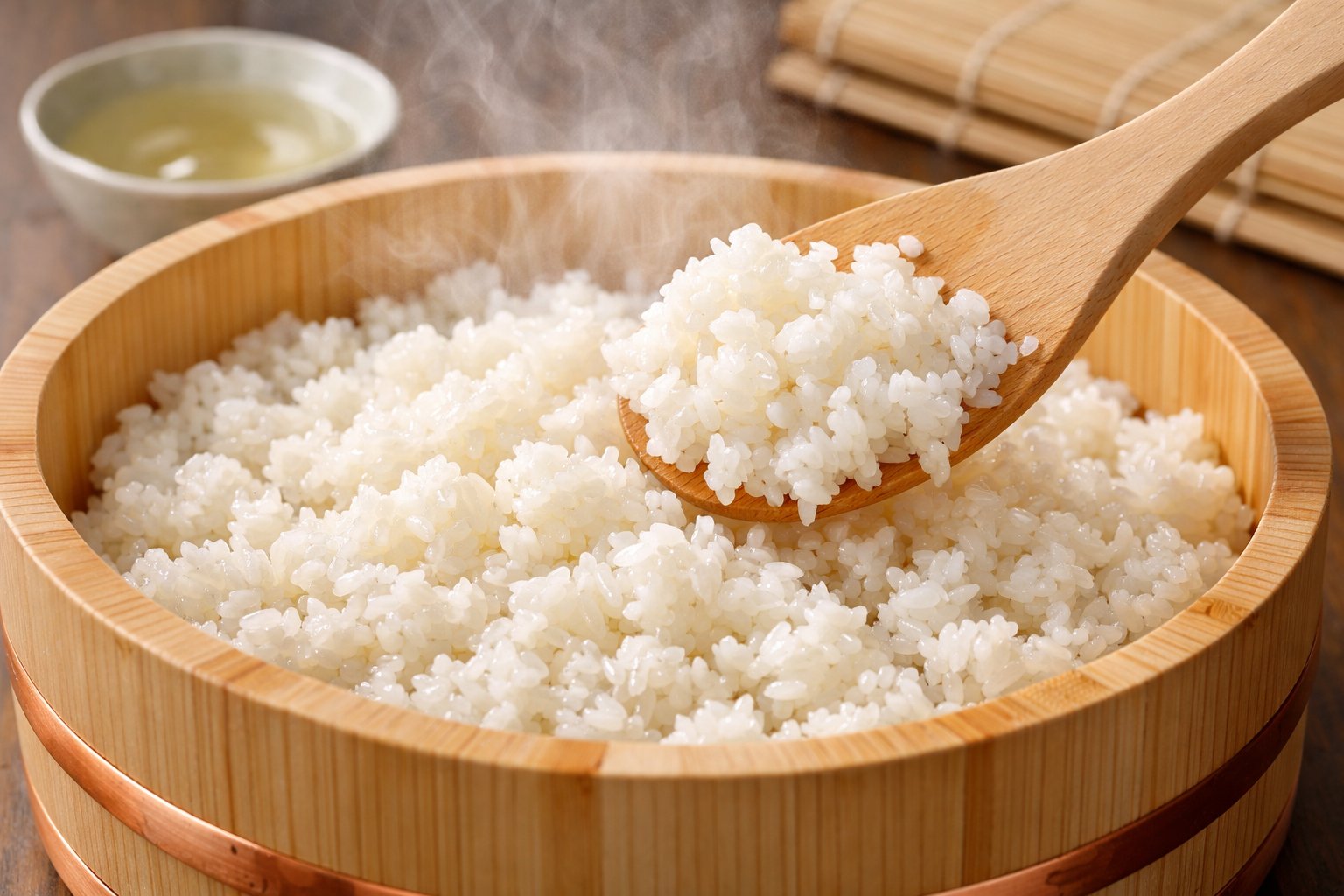
How you prepare sushi rice before cooking makes a big difference in its stickiness. Three steps—rinsing, soaking, and measuring water—are key to getting the right texture.
How Rinsing Removes Excess Starch
Rinsing rice washes away loose surface starch that can make your rice too gummy. Put the rice in a bowl, cover with cold water, and swirl it with your hand.
Drain the cloudy water and repeat four or five times until the water is almost clear. Each rinse removes more starch particles that would otherwise make your rice mushy.
Rinsing only takes a few minutes but really matters. Skipping it leaves you with rice that’s more paste than grain—no thanks.
The Significance of Soaking and Draining
After rinsing, soaking lets the grains absorb water evenly. This helps the rice cook uniformly and reach the right stickiness.
Soak your rinsed rice in fresh water for 20 to 30 minutes. The grains turn a bit translucent at the edges.
This makes them more pliable when cooked. After soaking, drain the rice in a fine-mesh sieve and let it sit for 10 to 15 minutes.
This step removes excess water, so you don’t end up with rice that’s too soft.
Correct Water-to-Rice Ratio
The water-to-rice ratio is crucial for sticky sushi rice. For most short-grain types, use a 1:1 ratio by volume.
If you’re making 2 cups of rice, add 2 cups of water—or a little less if you want it firmer. This gives enough moisture for the starches to gelatinise without turning the rice to mush.
Adjust the ratio based on the rice’s age and variety. Old rice might need a bit more water, while fresh rice needs less.
It’s worth keeping notes on what works for your brand.
The Cooking Process: Tools and Methods
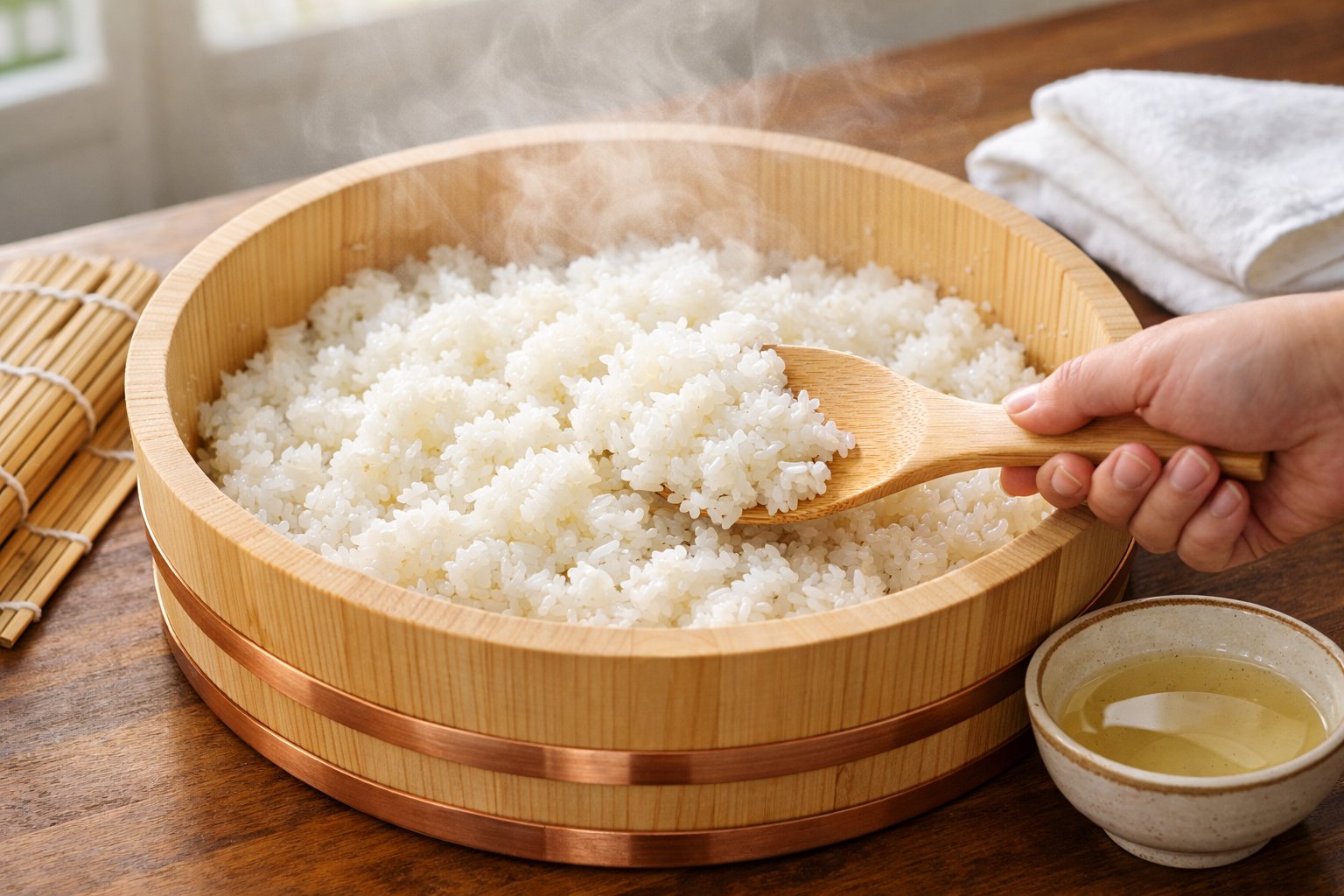
How you cook sushi rice and what tools you use directly affect the final texture and stickiness. Different approaches give you varying control over moisture and temperature, which can make or break your rice.
Traditional vs. Modern Cooking Methods
Traditional sushi chefs often use a stovetop method and a hangiri (wooden mixing bowl). You cook the rice in a pot with a tight lid, bring it to a boil, then simmer.
After cooking, you transfer the rice to the hangiri, which absorbs extra moisture while you mix in the vinegar seasoning. This method gives you hands-on control, but it takes some practice.
Modern cooks often use electric rice cookers. These machines automate temperature and timing, so you don’t have to guess.
The cooker keeps heat consistent and switches to warming mode when the rice is done. Both methods can work well.
Stovetop cooking needs more attention, while rice cookers make things easier.
Benefits of Using a Rice Cooker
A rice cooker takes the guesswork out of cooking. You add the right water-to-rice ratio, press a button, and let the machine do its thing.
The cooker keeps the temperature steady, so all the starch granules swell evenly. That gives you consistent stickiness every time.
Many rice cookers have a sushi rice setting that tweaks the time and temperature for the best results. The warming function keeps your rice at the right temperature without overcooking it.
No more worrying about mushy rice while you prep your other ingredients.
Controlling Texture Through Cooking Time
Cooking time makes a big difference. Undercooked rice stays hard and doesn’t get sticky enough to hold together.
The center of each grain stays firm, and your sushi falls apart. Overcooked rice gets too soft and loses its structure.
Too much heat breaks down the starch, turning your rice into paste. Sushi loses its bite and won’t hold up in rolls.
Short-grain sushi rice usually needs 15-20 minutes of cooking after boiling, then a 10-minute rest with the lid on. That resting time lets moisture spread evenly.
Even a few minutes’ difference can change the stickiness.
Seasoning Sushi Rice and Its Effect on Stickiness
The seasoning step has a real effect on how sticky your sushi rice gets. Rice vinegar breaks down starch molecules and helps the grains stick together, while sugar and salt in sushi-zu give the rice the right texture for rolls and nigiri.
The Role of Rice Vinegar and Sushi-zu
Rice vinegar is the main ingredient in sushi-zu, the traditional seasoning for sushi rice. When you add vinegar to warm rice, its acidity breaks down starch molecules and makes them more soluble.
This reaction boosts the rice’s natural stickiness. Sushi-zu is a mix of rice vinegar, sugar, and salt.
Sugar melts into the hot rice, adding a subtle sweetness to balance the vinegar’s tang. Salt brings out flavor and also helps with texture.
Timing matters a lot here. Add sushi-zu while the rice is still warm so the seasoning absorbs evenly.
This way, the sticky texture spreads through all the grains, not just some.
Finding the Ideal Seasoning Balance
Perfect sushi rice needs about 60 millilitres of seasoning for every 300 grams of uncooked rice.
This ratio gives you enough stickiness without turning the rice mushy or wet.
You should fold the seasoning into the rice using a cutting motion, not a stirring one.
This way, the grains stay intact and you get an even distribution of sushi-zu.
The rice should look a bit glossy and feel tacky when you touch it.
Sugar in your seasoning mixture does more than just sweeten—it changes texture too.
If you use too little, the rice tastes flat and doesn’t stick well.
Most recipes use around 30 grams of sugar per 60 millilitres of rice vinegar.
How Excess Vinegar Can Alter Texture
Adding too much vinegar leads to soft, shapeless sushi rice.
The excess acidity breaks down the starch, so the grains can’t hold together for rolls or nigiri.
You’ll spot overseasoned rice by its overly shiny, wet look.
The grains clump in odd ways, making them tough to handle.
That extra liquid just oversaturates the rice.
Too much vinegar also brings a harsh sourness that overpowers the other ingredients.
If you go overboard, try spreading the rice on a tray to let some moisture escape.
Still, it’s best to measure carefully from the start.
The Importance of Cooling and Handling
Cooling transforms fresh sushi rice from a sticky mass into workable grains.
How you cool and handle the rice shapes its final texture and your success with rolls or nigiri.
Cooling for Optimum Stickiness
Cooling changes the rice at a molecular level.
When you let it drop to body temperature (about 38°C), the starches form a firmer gel.
This leaves the surface less sticky but still lets the grains cling together.
Spread the rice out in a thin layer right after adding the seasoning.
This gives it more exposure to air.
Use a fan or paddle to move the air around as you gently fold the rice.
Try to get it to room temperature within 10 or 15 minutes.
If you cool it too slowly, the rice stays sticky and tough to shape.
That can also create a breeding ground for bacteria.
Don’t cover hot rice or leave it in a thick pile.
When it’s ready, the rice should feel just a bit warm.
Using Wooden Bowls and Tools
A hangiri (that’s the traditional wooden bowl) soaks up extra moisture as the rice cools.
The wood’s porous surface helps pull water away, and the wide shape speeds up cooling.
Any broad, shallow wooden container can work in a pinch.
Wooden spatulas beat metal ones for sticky rice.
Metal doesn’t absorb moisture and tends to make more grains stick to it.
Keep your wooden paddle slightly damp by dipping it in water with a splash of rice vinegar.
That keeps the rice from clinging to the tool.
Your hands need moisture, too.
Dip your fingers in water with a little vinegar before handling each portion.
This creates a barrier between your skin and the sticky grains.
Preventing Rice from Becoming Too Sticky
Wash your rice before cooking to get rid of excess surface starch.
Rinse under cold water until the water runs mostly clear.
Usually, four or five rinses does the trick.
Use the right water ratio when cooking.
Too much water makes the rice mushy and overly sticky.
Short-grain rice usually calls for a 1:1 ratio of rice to water, but this can vary a bit.
Let your rice rest for 10 minutes after cooking, before adding seasoning.
This helps moisture spread evenly through the grains.
If you add vinegar to rice that’s too hot, it’ll turn soggy and sticky.
Culinary Applications and the Role of Sticky Sushi Rice
Sticky sushi rice is essential for making traditional Japanese dishes that need the rice to hold its shape.
This texture lets you form compact pieces that don’t fall apart during prep or eating.
Forming Nigiri, Rolls, and Rice Balls
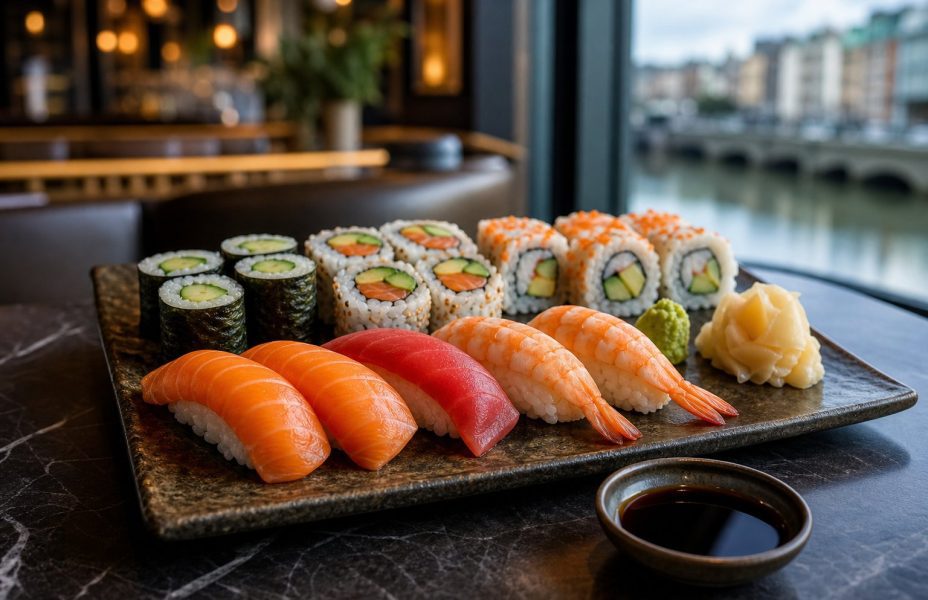
When you make nigiri, the stickiness lets you press small amounts into ovals that hold together and support toppings.
The rice needs to stick just enough to hold its form, but still break apart when you bite in.
For sushi rolls, stickiness is even more crucial.
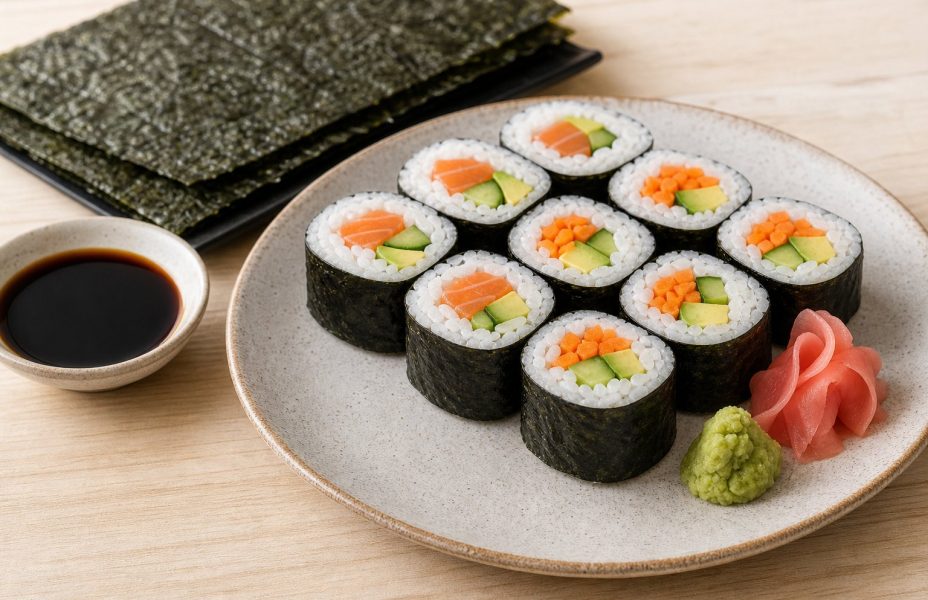
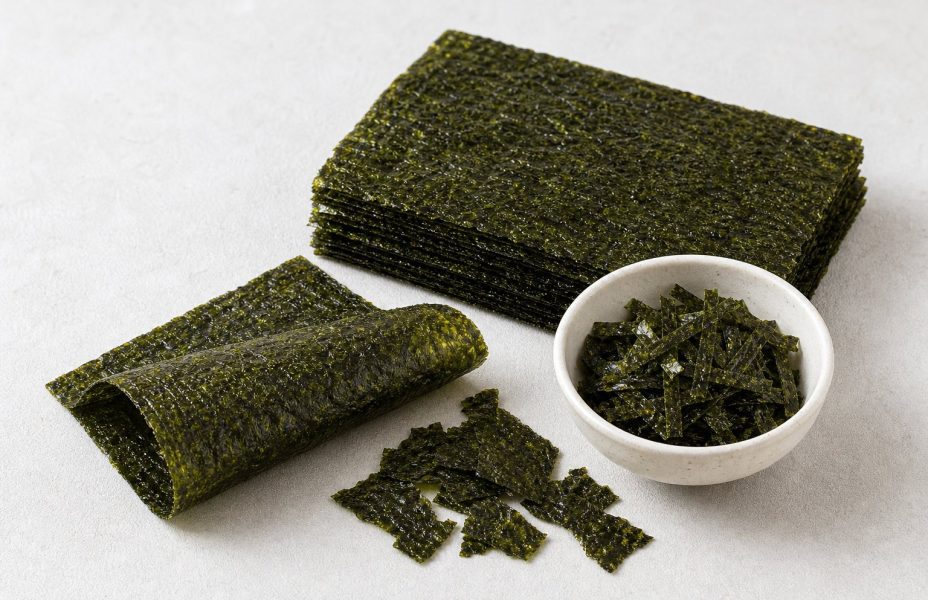
You spread rice over nori, and the starch helps everything bind as you roll it up.
Without proper stickiness, your rolls would just fall apart when sliced.
The same goes for rice balls.
Sticky sushi rice lets you shape it into different forms, so you get neat portions that hold their shape at the table.
Sticky Rice in Temaki and Onigiri
Temaki (hand rolls) depend on sticky rice to keep ingredients inside the cone-shaped nori.
You fill the seaweed with rice and toppings, and the rice’s stickiness keeps it all together as you eat.
Onigiri is a bit different.
You mould the rice into triangles or balls, sometimes with a filling in the middle.
The stickiness has to be strong enough for shaping and wrapping, but not so much that the grains get mushy.
You can press onigiri firmly because the high amylopectin content helps the grains stick together.
Textural Importance in Japanese Cuisine
Sticky rice matters in rice bowls and other Japanese dishes, not just sushi.
The texture changes how the rice interacts with sauces and toppings.
When you pour sauce over a rice bowl, a little stickiness helps the rice soak up flavour and keep its structure.
Getting the right balance between stickiness and separation is key in Japanese cooking.
If the rice is too sticky, it turns gummy.
If it’s not sticky enough, it falls apart and is tough to eat with chopsticks.
Proper cooking and the right water-to-rice ratio—usually about 1:1.2—make all the difference.
Frequently Asked Questions
Sushi rice gets its stickiness from high starch content, especially amylopectin.
The rice variety, how you cook it, and the vinegar seasoning all play a part in how well the rice sticks.
What causes the stickiness in sushi rice?
Starch—mainly amylopectin—creates the sticky texture.
When you cook rice, the starch granules soak up water and swell.
As the rice cools, these starches turn into a sticky gel that holds the grains together.
Short-grain rice has more starch than long-grain types.
That’s why it’s perfect for sushi.
How does the type of rice affect the texture of sushi?
Short-grain Japanese rice is really the only way to go for authentic sushi.
It’s got the high starch content you need for stickiness.
Long-grain rice just won’t work—it has less amylopectin and makes fluffy, separate grains.
Jasmine and other long-grain types lack the right stickiness.
If you use regular white rice, your sushi will fall apart because it doesn’t have the gluey quality to hold ingredients together.
What is the role of vinegar in making sushi rice sticky?
Rice vinegar boosts the stickiness that’s already there.
When you add it to cooked rice, it helps the grains bind more tightly.
The standard ratio is about half a cup of vinegar for every two cups of cooked rice.
Vinegar also adds flavour and helps preserve the rice.
Without enough, your sushi rice won’t stick together the way it should.
Can the stickiness of sushi rice be altered by cooking methods?
The water-to-rice ratio has a direct effect on stickiness.
Too much water makes mushy, overly sticky rice.
Too little water leaves you with dry rice that won’t hold together.
You want rice that’s just slightly undercooked, with a bit of firmness.
Overcooking breaks down the rice too much, making it mushy and unable to absorb vinegar well.
Rinsing the rice before cooking washes away excess surface starch, letting you control the final texture.
How important is the stickiness of rice in creating sushi?
Stickiness is critical for sushi.
It’s what holds the ingredients together.
Without it, rolls fall apart and nigiri loses its shape.
The rice needs to be mouldable, but not so sticky that it turns gummy.
That’s why sushi chefs focus so much on getting the stickiness just right.
It’s all about shaping rice that keeps its form but still feels good to eat.
Are there specific varieties of rice best suited for making sticky sushi rice?
Short-grain Japanese rice varieties like Nishiki and Koshihikari work really well for sushi. You’ll usually spot them labelled as “sushi rice” in stores.
These types have just the right amount of amylopectin, which gives that classic sticky feel. If you want sushi that holds together, this is what you need.
Brown rice and regular white rice don’t quite cut it for traditional sushi. Brown rice is definitely healthier, but it just doesn’t get sticky enough.
If you’re after the real deal, look for rice that’s actually labelled for sushi. It makes a noticeable difference.