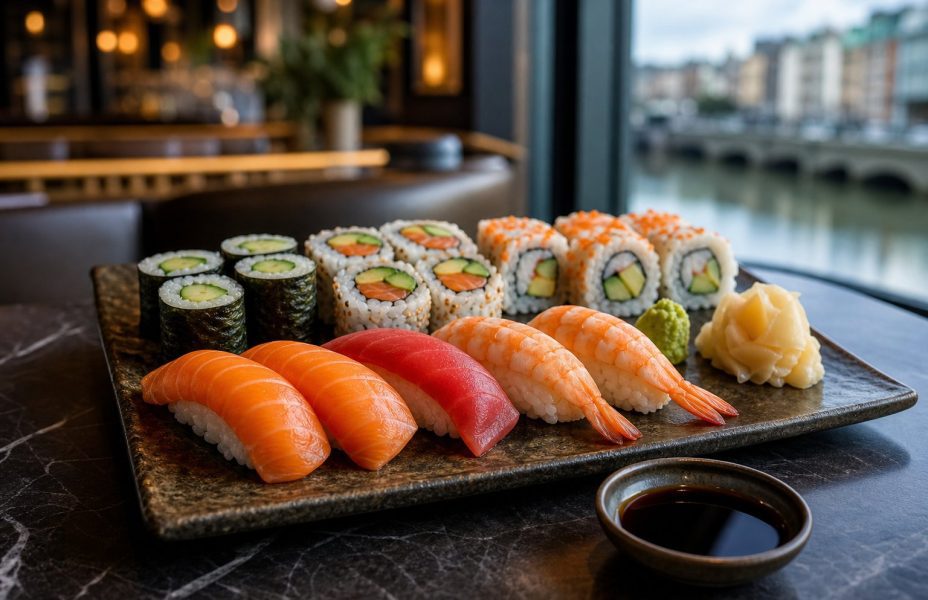
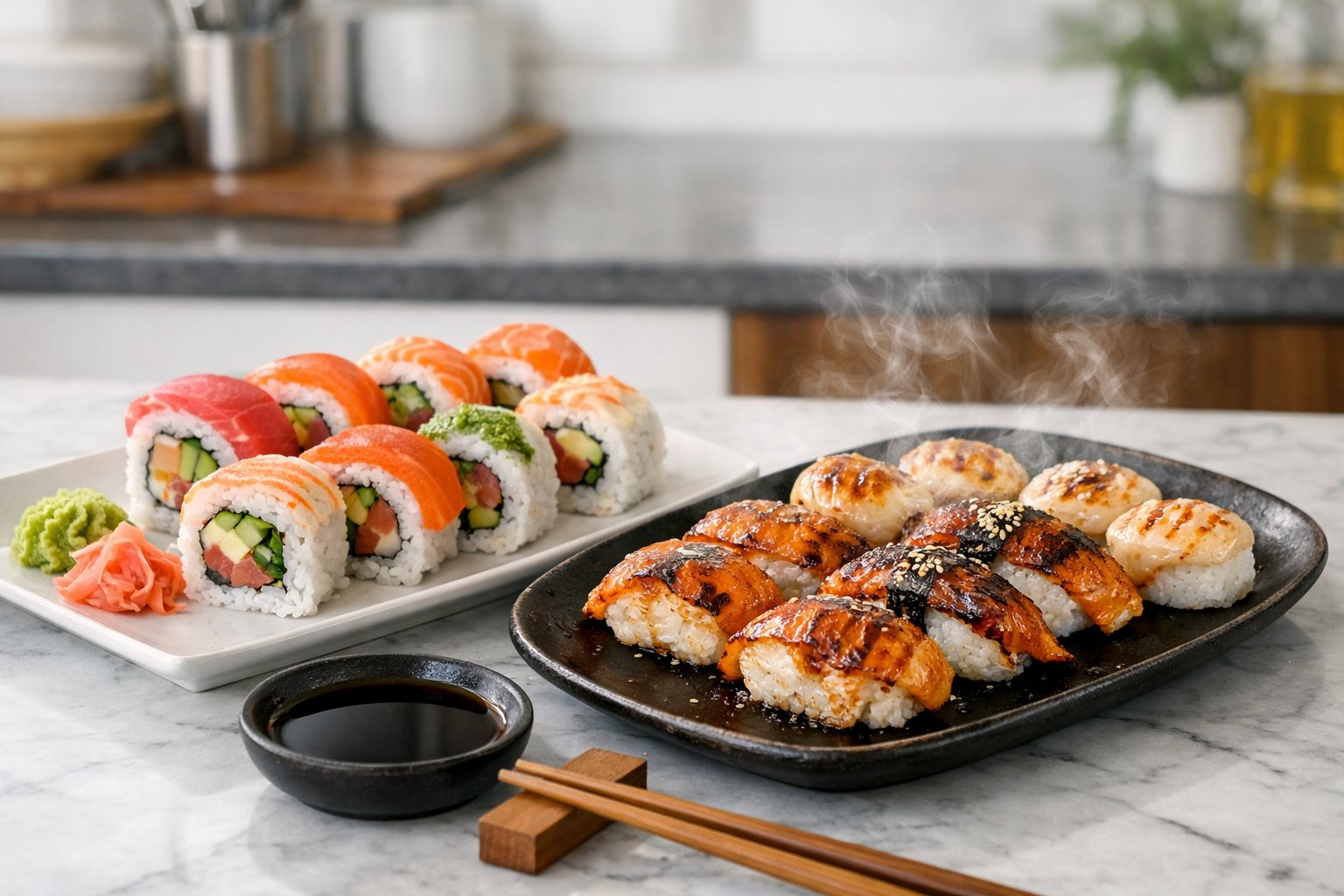
When people think of sushi, they usually picture raw fish on rice. But sushi can absolutely be cooked, and many popular types of sushi feature cooked ingredients like grilled eel, shrimp tempura, and seared salmon.
The idea that all sushi must be raw is a common misconception. While traditional sushi often uses raw fish, cooking has always been part of the sushi world.
People often wonder what makes sushi authentic and if cooking changes its nature. Honestly, sushi is defined more by its seasoned rice than by whether the toppings are raw or cooked.
Many Japanese sushi styles involve heat—grilling, boiling, or frying. So, cooking is part of the tradition, not some modern twist.
Let’s look at what sushi really is, how cooked and raw versions differ, and which types you might already know and love.
We’ll also touch on safety concerns, making cooked sushi at home, and how different cultures have adapted this dish.
Understanding Sushi: Definitions and Core Components
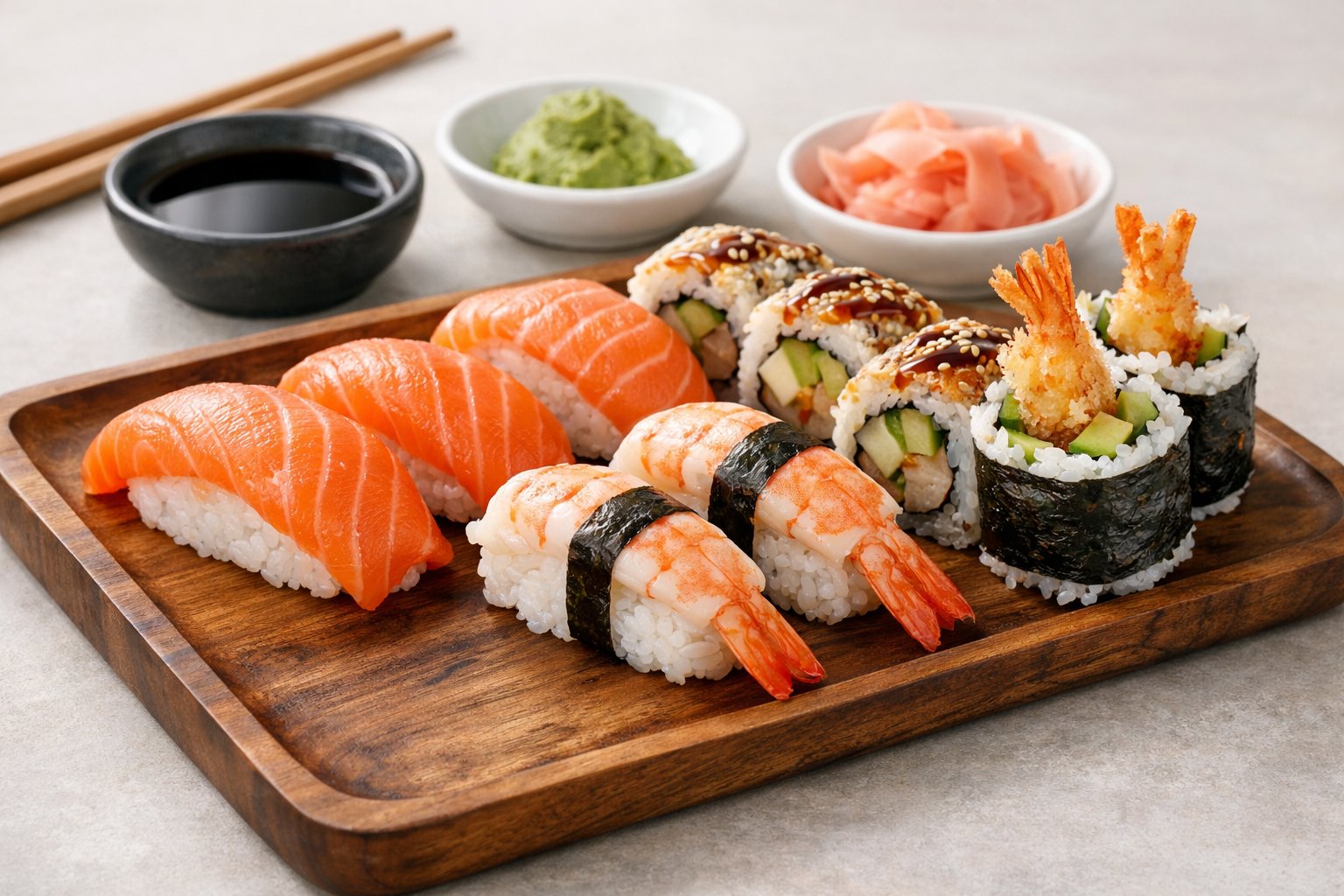
Sushi centers on vinegared rice combined with various toppings or fillings. The word itself refers to the rice, not the raw fish.
The three main elements work together: specially prepared rice, the toppings (neta), and the careful balance that defines this Japanese dish.
What Sushi Really Means
The word “sushi” actually describes the seasoned rice, not the fish or seafood. This is a common misunderstanding, but it’s true.
The term comes from the rice preparation method—vinegar, sugar, and salt. Sushi started in Southeast Asia as a way to preserve fish using fermented rice.
By Japan’s Edo period (1603-1868), the dish changed into what we recognize today. The fermentation process was dropped, and vinegar was added directly to cooked rice.
This culinary tradition focuses on simplicity and balance. Sushi is more than food—it represents an art form that values fresh ingredients and careful preparation.
The rice acts as the foundation, while other components add flavor and texture. That’s the heart of sushi, if you ask me.
The Role of Rice and Vinegar
Sushi rice uses short-grain Japanese rice that becomes sticky when cooked. We cook this rice and season it while it’s still hot with a mixture called sushi vinegar.
This mixture contains rice vinegar, sugar, and salt in specific amounts. The vinegared rice, called shari, must have the right temperature, texture, and flavor.
Too much vinegar makes it sour. Too little, and it’s bland.
The rice should stick together but not feel mushy. Rice vinegar gives sushi its distinctive tangy taste that complements other ingredients.
The sugar balances the acid, while salt enhances overall flavor. This seasoned rice is what makes sushi “sushi”—without it, the dish would be something else entirely.
Neta: Toppings and Fillings
Neta refers to what goes on top of or inside the sushi rice. This can include raw fish, cooked seafood, vegetables, egg, or tofu.
The variety is much wider than most people think. Common raw options are tuna, salmon, and yellowtail.
Cooked neta includes shrimp, barbecued eel (unagi), octopus, and crab. Vegetarian options feature cucumber, avocado, pickled vegetables, and shiitake mushrooms.
Tamago, a sweet omelet, is another popular cooked topping. The neta must be fresh and properly prepared, whether raw or cooked.
For raw fish, this means using seafood-grade quality and correct slicing. Cooked ingredients need proper seasoning and temperature.
Each type of neta brings different flavors, textures, and colors to create a complete eating experience.
Raw Sushi Versus Cooked Sushi: Key Differences
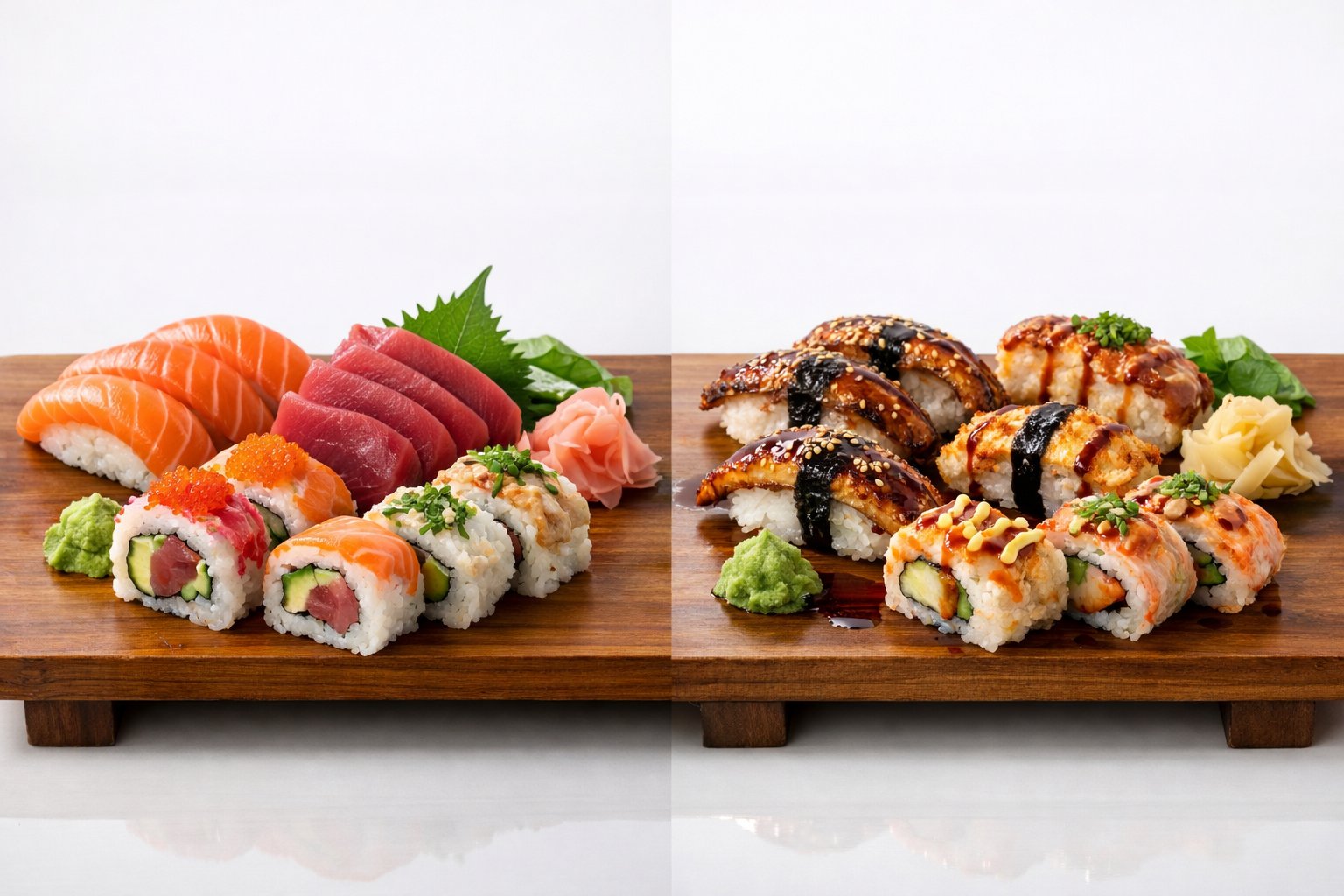
The differences between raw and cooked sushi go beyond just temperature. Raw sushi showcases the pure taste of fresh fish, while cooked sushi offers a warm, thoroughly heated alternative that transforms flavors through various cooking methods.
Defining Cooked and Raw
Raw sushi features uncooked ingredients, most commonly raw fish like salmon, tuna, and yellowtail. The seafood must be sushi-grade, meaning it’s been frozen to specific temperatures to kill parasites.
This fish is sliced thinly and served with vinegared rice. Raw sushi includes nigiri (fish over rice), sashimi (just raw fish without rice), and certain maki rolls.
The raw fish maintains its natural texture and delicate flavor. Raw sushi has a clean, ocean-fresh taste that a lot of people enjoy.
Cooked sushi uses ingredients that have been heated through methods like steaming, grilling, or frying. Common cooked options include shrimp, eel, crab, and tempura items.
The cooking process changes both the texture and flavor of the ingredients. Cooked seafood becomes firmer and often sweeter.
Both types use the same seasoned rice base. The main difference is whether the protein has been exposed to heat or remains in its fresh, uncooked state.
Traditional Sushi Practices
Traditional sushi in Japanese cuisine originally focused on preserving fish with fermented rice. Over time, this evolved into using fresh fish with vinegared rice.
Raw sushi became the standard in Japan during the Edo period when nigiri sushi was created. Sushi chefs train for years to master selecting and preparing raw fish properly.
They learn to identify the freshest seafood and slice it at precise angles. However, cooked items like eel (unagi) and egg omelet (tamago) have always been part of traditional sushi.
Not all traditional sushi is raw. Grilled eel brushed with sweet sauce and steamed shrimp appeared in early sushi restaurants.
These cooked options were valued for their rich flavors and different textures.
Evolution of Sushi in Modern Cuisine
Modern sushi has expanded far beyond traditional Japanese practices. Western adaptations introduced more cooked options to make sushi appealing to people hesitant about raw fish.
The California roll, invented in the 1960s, used cooked crab and sparked a wave of creative cooked rolls. Today’s sushi restaurants offer diverse menus with both raw and cooked choices.
Tempura rolls, spicy baked salmon rolls, and crispy shrimp rolls sit alongside traditional raw options. This variety makes sushi accessible to more people.
Fusion styles blend cooking techniques from different cultures. Sushi gets baked with cheese, torched with a culinary torch, or deep-fried as a complete roll.
These modern approaches keep the core element of seasoned sushi rice while experimenting with preparation methods and flavor combinations that appeal to broader tastes.
Popular Types of Cooked Sushi
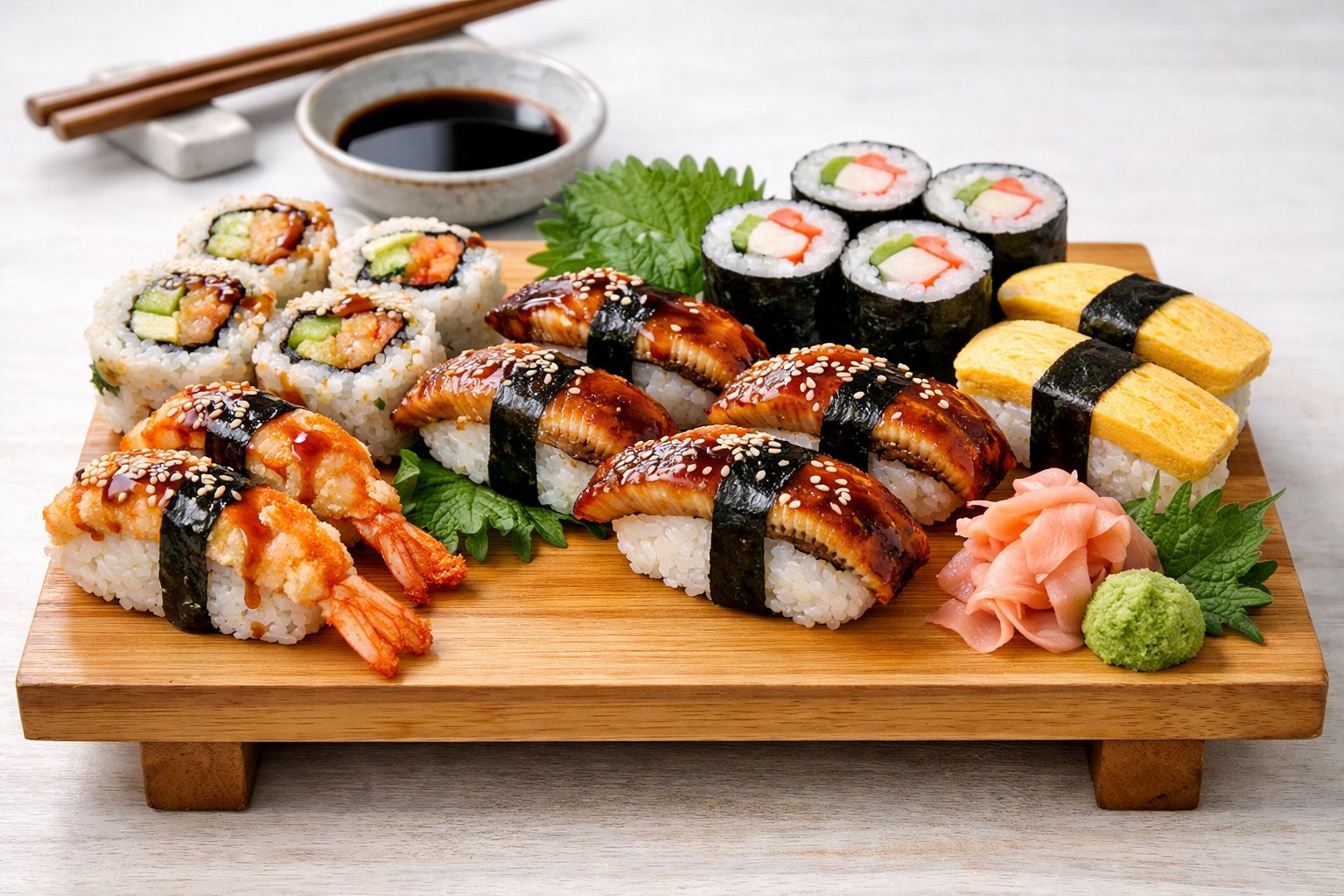
Cooked sushi comes in many forms, from traditional Japanese options like unagi and tamago nigiri to American favorites featuring tempura and imitation crab. These varieties offer the same quality and taste as raw sushi without requiring any raw fish.
Nigiri with Cooked Ingredients
Nigiri sushi features a small ball of rice topped with a thin slice of fish or other ingredients. When it comes to cooked options, we find several popular choices at most sushi restaurants.
Ebi (cooked shrimp) is one of the most common cooked nigiri varieties. The shrimp is poached until tender and sweet, then placed atop seasoned rice.
It has a delicate flavor that pairs well with soy sauce. Tamago nigiri uses a sweet Japanese omelet made from eggs, sugar, and soy sauce.
The omelet is cooked in a rectangular pan, then cut into slices and served over rice. This option works well for breakfast or as a mild-flavored choice for beginners.
Unagi (grilled eel) is another traditional cooked nigiri. The eel gets grilled and brushed with a sweet teriyaki-style sauce before being placed on rice.
It has a rich, slightly sweet flavor that makes it stand out from other types of cooked sushi.
Tempura Rolls and Fried Sushi
Tempura rolls bring a crunchy texture to sushi through the use of battered and deep-fried ingredients. These rolls are popular for their contrast between crispy coating and soft rice.
Shrimp tempura rolls are among the most ordered items at sushi restaurants. The shrimp tempura is wrapped inside the roll with cucumber and avocado, creating a satisfying mix of textures.
Some versions place the tempura on top instead of inside. Spider rolls use soft-shell crab tempura as the main ingredient.
The entire crab is fried in tempura batter, making the legs stick out from the roll ends. Deep-fried sushi rolls take things further by coating the entire roll in tempura batter before frying.
The outside becomes golden and crispy while the inside stays warm. These rolls are often topped with spicy mayo or eel sauce for extra flavor.
American Rolls Featuring Cooked Fillings
American sushi rolls were created to appeal to people who avoid raw fish. These rolls use cooked or processed ingredients that are easy to find and prepare.
California rolls are the most famous American sushi invention. We make them with imitation crab, cucumber, and avocado wrapped in rice and nori.
The roll is often made inside-out, with rice on the outside and seaweed on the inside. Philadelphia rolls combine smoked salmon with cream cheese and cucumber.
The smoking process cooks the salmon, making it safe for people who want to avoid raw fish. The cream cheese adds a rich, smooth texture.
Boston rolls use poached cooked shrimp instead of raw seafood. They include avocado and cucumber for freshness.
Dragon rolls build on the shrimp tempura concept by topping the roll with sliced avocado and eel sauce, creating a visually striking dish.
Vegetarian and Alternative Cooked Sushi Options
Cooked sushi extends far beyond seafood into plant-based territory. Vegetarian sushi and vegan sushi use cooked ingredients like tempura vegetables, seasoned tofu, and sweetened egg to create filling and flavorful rolls.
Vegetable Rolls
Vegetable rolls form the foundation of vegetarian sushi options at most restaurants and at home. Cucumber rolls offer a light, refreshing choice with their crisp texture and clean taste.
Avocado rolls provide a creamy, rich alternative that many people prefer over raw fish. Tempura vegetables add a satisfying crunch to sushi rolls.
Sweet potato tempura rolls are popular because the batter creates a crispy coating around the soft, sweet interior. Carrots, zucchini, and bell peppers often show up in tempura style as well.
Pickled vegetables bring tangy flavors to rolls without any raw ingredients. Pickled daikon, pickled ginger, and fermented vegetables all count as fully cooked options.
Many vegetable rolls combine multiple ingredients like cucumber, carrot, and avocado for varied textures and tastes.
Vegan Sushi Innovations
Vegan sushi removes all animal products, including fish, eggs, and dairy-based sauces. Inari sushi consists of seasoned rice tucked into sweet, cooked tofu pouches.
The tofu pouches are simmered in soy sauce, sugar, and mirin until they become tender and slightly sweet. Plant-based proteins now replace traditional fish in creative ways.
Some recipes use marinated tomatoes to mimic tuna texture. Others use mushrooms that have been cooked and seasoned to provide an umami flavor similar to seafood.
More restaurants now offer specialty vegan rolls with cooked ingredients. These might include roasted vegetables, crispy chickpeas, or even cooked plant-based proteins.
The key is making sure all sauces and seasonings contain no fish-derived ingredients like bonito flakes.
Tofu and Egg-Based Sushi
Tofu musubi and tofu nigiri offer protein-rich choices when making sushi at home. Pan-frying tofu gives it a golden crust but keeps the inside soft.
Marinate tofu in soy sauce and sesame oil before cooking for extra flavor. That simple step makes a big difference.
Tamago is a sweet Japanese omelet often seen in sushi. We mix eggs with sugar and soy sauce, then cook them in thin layers, rolling each layer together to form a thick, slightly sweet block.
Slices of tamago go over sushi rice. The result is sweet and savory, with a texture that’s familiar and comforting.
Tofu and egg sushi work well for people who want cooked options but skip seafood. They offer mild flavors and pair nicely with sushi rice and classic condiments.
Food Safety and Health Considerations
Both raw and cooked sushi need careful handling to avoid foodborne illness. Parasites in raw fish and bacteria in rice can cause problems if not managed right.
Parasites and Foodborne Illnesses
Raw seafood can carry health risks. Parasites like roundworms and tapeworms may be present in untreated fish and can make you sick if eaten raw.
Bacteria also cause food poisoning in sushi. Bacillus cereus can grow in cooked rice, especially if sushi rice sits out too long at room temperature.
Raw fish may contain bacteria like Salmonella and Listeria if not handled well. These bugs range from causing mild stomach issues to more serious illness.
Acidified rice in sushi helps protect against some bacteria, but sushi is still considered a potentially hazardous food. Proper handling is always important.
Advantages of Cooked Sushi for Safety
Cooking fish kills parasites and most harmful bacteria found in raw seafood. Heat makes cooked sushi safer, especially for people with weaker immune systems or those who want to avoid raw fish risks.
Pregnant women, young kids, and older adults benefit most from cooked sushi. These groups face higher risks from foodborne illness and should probably skip raw seafood.
Cooked options like tempura rolls, grilled eel, and seared salmon give the sushi experience without the raw fish worries. The heat kills off harmful organisms but keeps the flavor and texture.
But even with cooked sushi, rice can still harbor Bacillus cereus if left out too long. It’s not just about the fish.
Sushi-Grade Fish and Safe Preparation
Sushi-grade fish goes through special treatment to make it safer to eat raw. The FDA says fish must be frozen at -4°F for seven days or -31°F for 15 hours to kill parasites.
Sushi chefs pay close attention to ingredient quality and storage temperatures. They follow strict hygiene rules and prepare everything with care.
“Sushi-grade” isn’t an official FDA term. It just means the fish was properly frozen and handled to reduce parasite risks. Good suppliers follow these standards.
Key safety practices include:
- Keeping cold storage below 41°F
- Using acidified rice with pH under 4.2
- Washing hands and keeping things clean
- Sanitizing work surfaces
- Limiting how long sushi sits out at room temperature
Home cooks should buy fish from trusted sources that follow freezing protocols. Using previously frozen fish instead of fresh-caught helps reduce parasite risks.
Making and Enjoying Cooked Sushi at Home
Making cooked sushi at home doesn’t require fancy tools or complicated recipes. With the right rice and a few easy fillings, it’s possible to make great sushi in your own kitchen.
Essential Tools and Ingredients
A bamboo rolling mat (makisu) helps roll sushi tightly and evenly. A sharp knife is important for clean slices, and a rice cooker simplifies rice prep, though a pot works too.
You’ll need short-grain sushi rice, rice vinegar, sugar, and salt. Nori seaweed sheets hold everything together. For cooked fillings, try shrimp, imitation crab, teriyaki chicken, or tempura vegetables. Avocado and cucumber add texture.
It’s handy to have sesame seeds, soy sauce, and pickled ginger around. A bowl of water keeps rice from sticking to your hands. With these basics, you can make a lot of different cooked sushi rolls.
Preparing Perfect Sushi Rice
Sushi rice is the heart of good sushi. Start by rinsing two cups of short-grain rice under cold water until it runs clear to remove extra starch.
Combine the rinsed rice with two and a half cups of water in your rice cooker or pot. Cook for about 20 minutes, then let it rest, covered, for another 10 minutes.
While the rice cooks, heat half a cup of rice vinegar with two tablespoons of sugar and a teaspoon of salt in a small pan. Stir until dissolved.
Transfer the cooked rice to a big bowl and gently fold in the vinegar mix. Fanning the rice as you mix gives it a nice shine. Let it cool to room temp before rolling sushi.
Home-Friendly Cooked Sushi Recipes
Cooked shrimp rolls are easy. Boil shrimp for 2-3 minutes until pink, cool, and chop. Spread rice on nori, add shrimp, cucumber, and avocado, then roll it up.
For teriyaki chicken sushi, cook chicken in teriyaki sauce, slice thin, and use as filling. Cream cheese adds a creamy texture if you like.
Vegetable tempura rolls are crispy and satisfying. Lightly batter and fry sweet potato or zucchini, then roll them inside the sushi. A drizzle of spicy mayo or eel sauce on top adds flavor.
Cut each roll into six or eight pieces with a wet knife. Making sushi at home lets you experiment with flavors and tweak ingredients to your liking.
Cultural Perspectives and Global Variations
Cooked sushi comes in many forms around the world, from traditional Japanese dishes to creative Western spins. Every region puts its own twist on cooked sushi, shaped by local ingredients and culture.
Cooked Sushi in Japanese Tradition
Cooked sushi has always had a place in Japanese cuisine. Unagi (grilled freshwater eel) is served as nigiri with a sweet soy glaze, and it’s especially popular in summer.
Tamago (sweet egg omelet) is a staple, too, showing off the balance of sweet and umami on top of rice.
Other classics include anago (saltwater eel) simmered in broth, and inarizushi, where rice gets wrapped in seasoned fried tofu pockets.
Regional differences pop up across Japan. Osaka’s oshizushi (pressed sushi) often uses cooked or cured toppings pressed into neat rectangles. The aburi technique lightly sears fish with a blowtorch, adding smoky flavor while keeping things traditional.
Western Fusion and Sushi Innovations
Western sushi spots have really run with cooked sushi, creating bold fusion dishes. The California roll brought cooked imitation crab and avocado to the mainstream and made sushi more approachable in North America.
Tempura rolls wrap deep-fried shrimp or veggies in rice and nori. Spicy mayo is everywhere, drizzled over tempura maki for a creamy kick.
The Dragon Roll layers tempura shrimp with eel and avocado, topped with thick eel sauce. Baked rolls like the Volcano Roll pile on cooked seafood in creamy sauces, then broil them for extra richness.
These Western creations focus on bold textures and sauces, not minimalism. You’ll even find cream cheese, bacon, or jalapeños in some cooked maki rolls.
Sushi in Restaurants Around the World
Sushi restaurants across Asia tweak cooked sushi to fit local tastes. In Korea, bulgogi beef and grilled spicy squid show up in rolls, often with gochujang sauces and sesame oil.
Chinese-style sushi might use char siu-glazed eel or soy-braised fish with five-spice. Southeast Asian places add grilled shrimp with lemongrass or coconut milk-glazed fish. Thai versions balance sweet, salty, sour, and spicy with chili-lime sauces.
Indian sushi restaurants bring in tandoori-grilled seafood and spiced paneer with curry leaves. European sushi often features charcoal grilling or oven roasting—think grilled salmon nigiri with citrus oil or smoked fish in Scandinavian spots.
Mediterranean flavors show up, too, with roasted peppers, sun-dried tomatoes, or olive oil-tossed octopus. Some upscale European restaurants even add foie gras or truffle oil to cooked sushi.
Frequently Asked Questions
People often ask about cooked sushi and how it compares to raw. Knowing which rolls have cooked ingredients and what makes them safe helps diners choose what works for them.
What types of sushi rolls are typically cooked?
Several popular rolls feature cooked fillings. Tempura rolls have battered and deep-fried shrimp or vegetables inside.
Eel rolls (unagi rolls) use grilled freshwater eel glazed with sweet sauce. Eel is always cooked because it’s not safe raw.
California rolls usually have cooked imitation crab, made from processed fish that’s been heat-treated. Spider rolls are filled with deep-fried soft-shell crab.
Shrimp tempura rolls and cooked salmon rolls are also common. Some places serve rolls with grilled chicken, beef, or cooked tuna.
Are there any health benefits or risks associated with eating cooked sushi?
Cooked sushi removes the risk of parasites and most harmful bacteria found in raw fish. Cooking kills potential pathogens, so it’s safer for people with weaker immune systems.
Raw fish has omega-3s and certain nutrients that may drop a bit with cooking, but cooked sushi still offers protein, vitamins, and minerals from veggies and rice.
Deep-fried sushi rolls are higher in calories and fat. Rolls with mayo-based sauces or cream cheese also add extra calories and saturated fat.
Sushi rice has carbs and some added sugar. Portion size matters, whether your sushi is cooked or raw.
What are some recommended sushi options for beginners who prefer cooked dishes?
California rolls are a great place to start. They have familiar ingredients like avocado, cucumber, and imitation crab, with mild flavors and cooked seafood.
Shrimp tempura rolls offer crunch and taste a lot like other fried seafood. The tempura batter gives a texture many people like.
Vegetable rolls with cooked fillings—like sweet potato tempura or grilled asparagus—are a good intro for those who don’t want seafood. They highlight texture and flavor without fish.
Eel rolls are rich and a bit sweet, appealing to folks who enjoy grilled meats. The glaze makes them approachable for newcomers to Japanese food.
How can you tell if sushi is made with cooked ingredients?
You can usually spot cooked sushi by the look and feel of the fish. Cooked seafood looks opaque and firm, not shiny or translucent.
Menus often mention cooking methods—tempura, grilled, seared, or baked. “Spicy” usually hints at cooked ingredients mixed with mayo-based sauces.
Some fish, like eel and octopus, are always cooked. Shrimp can be raw or cooked, but cooked shrimp turns pink or orange, not gray.
If you’re unsure, just ask your server or the sushi chef. Most restaurants are happy to explain which rolls use cooked ingredients.
Which sushi selections are safe to consume during pregnancy?
If you’re pregnant, stick with fully cooked sushi options. Shrimp tempura rolls, cooked eel rolls, and California rolls with imitation crab are all solid picks.
Vegetable rolls skip the raw fish entirely and still pack in some nutrients. Cooked salmon and cooked tuna rolls bring those omega-3 fatty acids that matter for your baby’s development.
It’s best to skip raw fish and high-mercury fish like tuna. Smoked seafood’s another one to avoid, just to be safe.
Try not to go over the recommended weekly fish intake. If you’re unsure, checking in with your doctor about your sushi cravings never hurts.
What are the best ways to prepare homemade cooked sushi?
Start by cooking sushi rice with just the right amount of water. Let it cool a bit, then gently mix in rice vinegar, sugar, and salt.
The rice should feel sticky, but not too mushy—aim for it to be slightly warm when you start rolling.
For cooked fillings, you can grill salmon or shrimp. Tempura veggies or imitation crab work great too.
Make sure the proteins are cooked all the way. Let them cool off a little before adding them to your rolls.
Lay a sheet of nori on your bamboo mat. Spread the rice evenly, but leave some space at the top edge.
Arrange your fillings in a line across the center. Roll it up tightly using the mat, shaping and sealing as you go.
Grab a sharp knife, dip it in water, and slice the roll cleanly—no one likes a squished sushi roll.
Serve your homemade cooked sushi with soy sauce, pickled ginger, and a dab of wasabi. Simple, but honestly, that’s the best part.