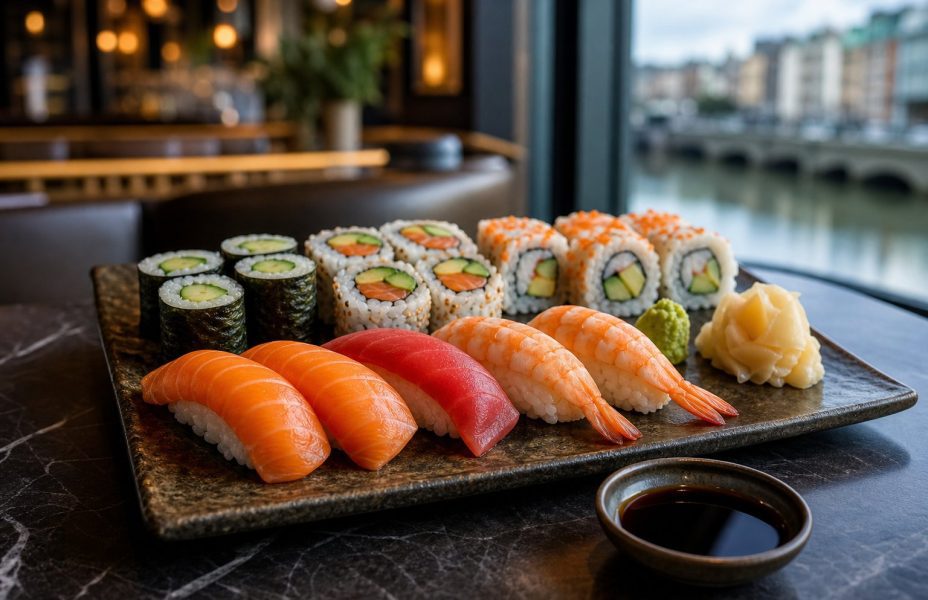
Sushi lovers always seem to wonder about the calorie count hiding inside their favorite rolls and nigiri. Most sushi pieces land between 28 and 50 calories each, so a regular 6-piece roll usually sits around 200-250 calories.
The exact number? It depends on the fish, veggies, and how the chef prepares it.
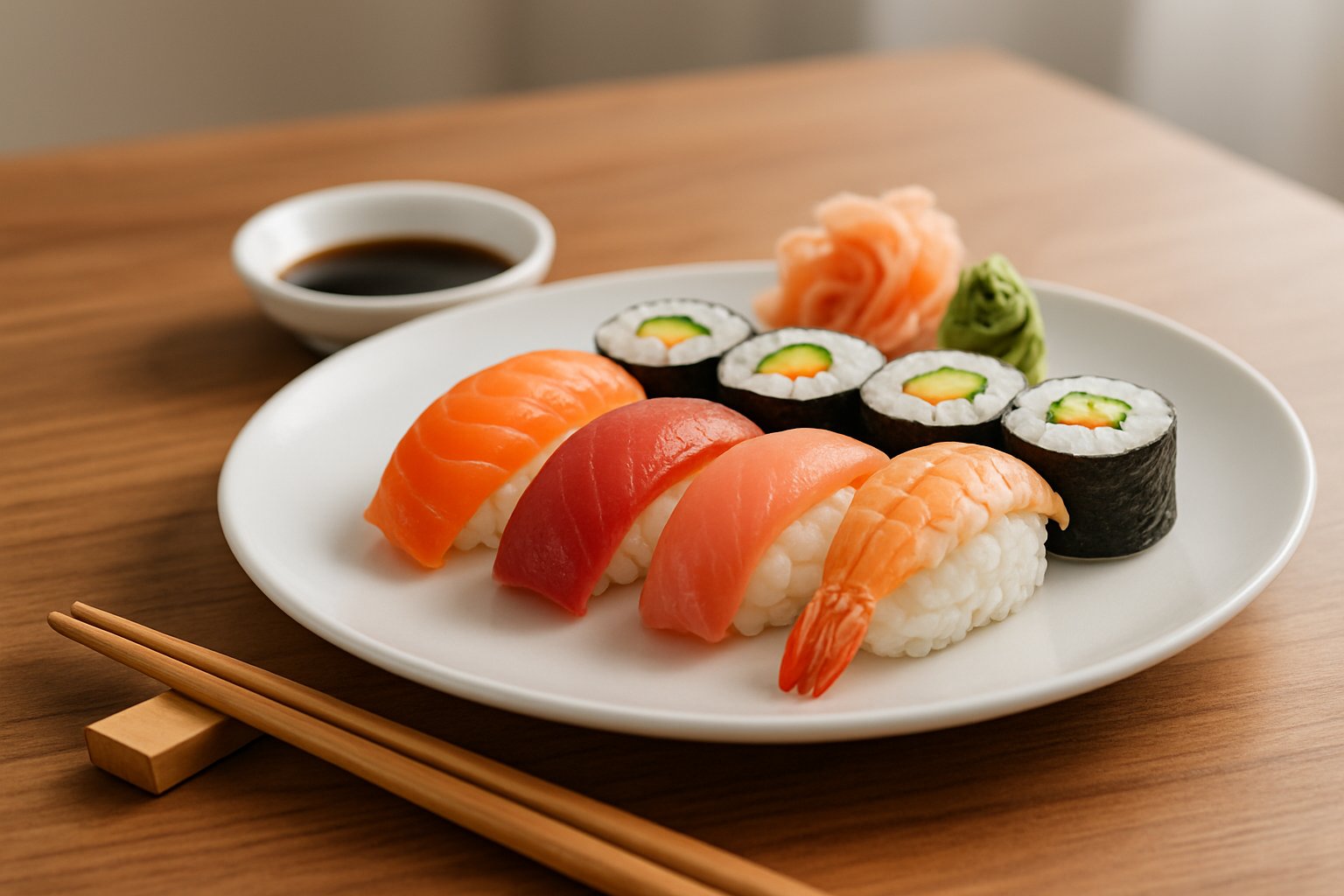
If you get a handle on sushi calories, you can make smarter choices without ditching this amazing Japanese treat. Some rolls—especially those with tempura, cream cheese, or spicy mayo—pack way more calories.
Meanwhile, cucumber rolls or classic nigiri usually keep things lighter.
Let’s look at calorie counts for some popular sushi types and call out which ingredients sneak in the most calories.
Maybe you’ll spot a few ways to enjoy sushi without blowing past your daily calorie goals.
Key Takeaways
- Sushi calories swing from 28 for basic rolls to over 50 for fancier pieces.
- Fried tempura, sauces, and cream cheese add a lot of extra calories.
- Sushi gives you quality protein and healthy fats without being a calorie bomb.
How Many Calories Are in Sushi?
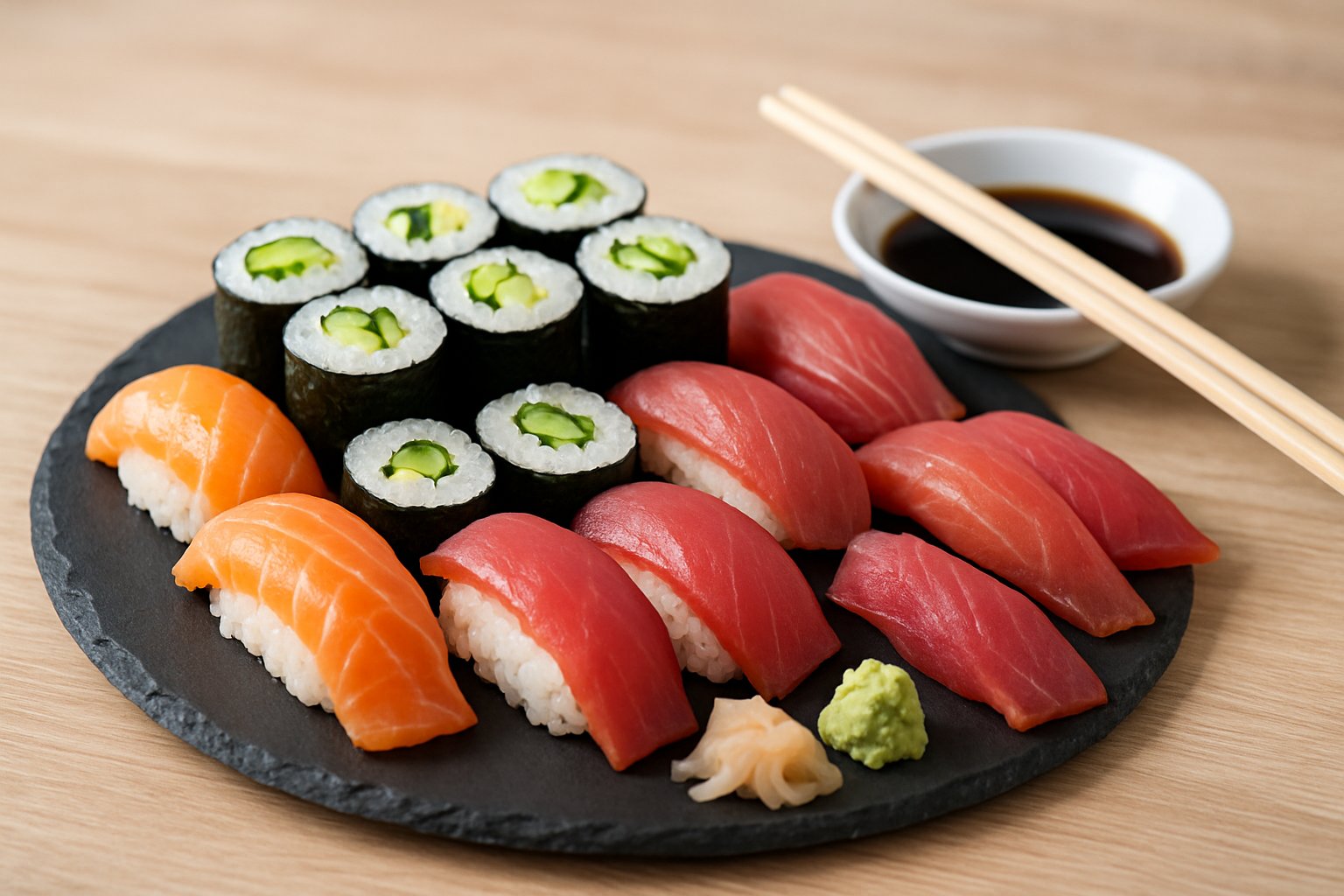
Calories in sushi can jump all over the place depending on what’s inside and how it’s made. On average, each piece clocks in at about 37 calories, but full rolls can run from 140 all the way up to 500+ calories.
Average Calories per Sushi Piece
Most sushi pieces seem to fall in the 28-50 calorie range. Nigiri, that classic fish-on-rice combo, usually fits right in there.
Avocado rolls come in at about 28 calories per 30g piece. California rolls are roughly the same per piece.
Crab nigiri gives you about 33 calories for a 35g piece. Cucumber rolls are the lightest—just 21 calories per 22g piece.
Rice brings the carbs, fish adds protein, and veggies like cucumber or avocado barely nudge the calorie count but do give you fiber and healthy fats.
Knowing these numbers makes it easier to keep track when you’re eating a bunch—most people have 6-8 pieces per meal.
Calorie Range by Sushi Type
Calories can really jump depending on what you order. Simple veggie rolls are the lightest, starting at about 140 calories for a full cucumber roll.
Basic fish rolls—think salmon or tuna maki—usually run 200-300 calories for a 6-piece roll. They’re a solid protein source without going overboard on calories.
Specialty rolls with extra fillings land in the 300-400 calorie range. California rolls and other combos fit here.
Premium or fried rolls can blast past 500 calories. Tempura, cream cheese, and mayo-based sauces are the main culprits.
Traditional Japanese sushi is lighter than American-style rolls. Simpler ingredients and smaller portions make a difference.
Calories per Serving Size
Most sushi servings are 6-8 pieces per roll. A standard 6-piece roll with fish and veggies usually has 200-250 calories.
8-piece servings can hit anywhere from 450-800 calories, all depending on what’s inside and how it’s made.
If you want to get exact, just multiply the number of pieces you eat by the calories per piece.
Sashimi servings skip the rice, so they’re mostly protein with barely any carbs.
Restaurant portions often run bigger than what you’d make at home. It’s smart to check nutritional info when you can since every place does things a little differently.
Calories in Different Types of Sushi
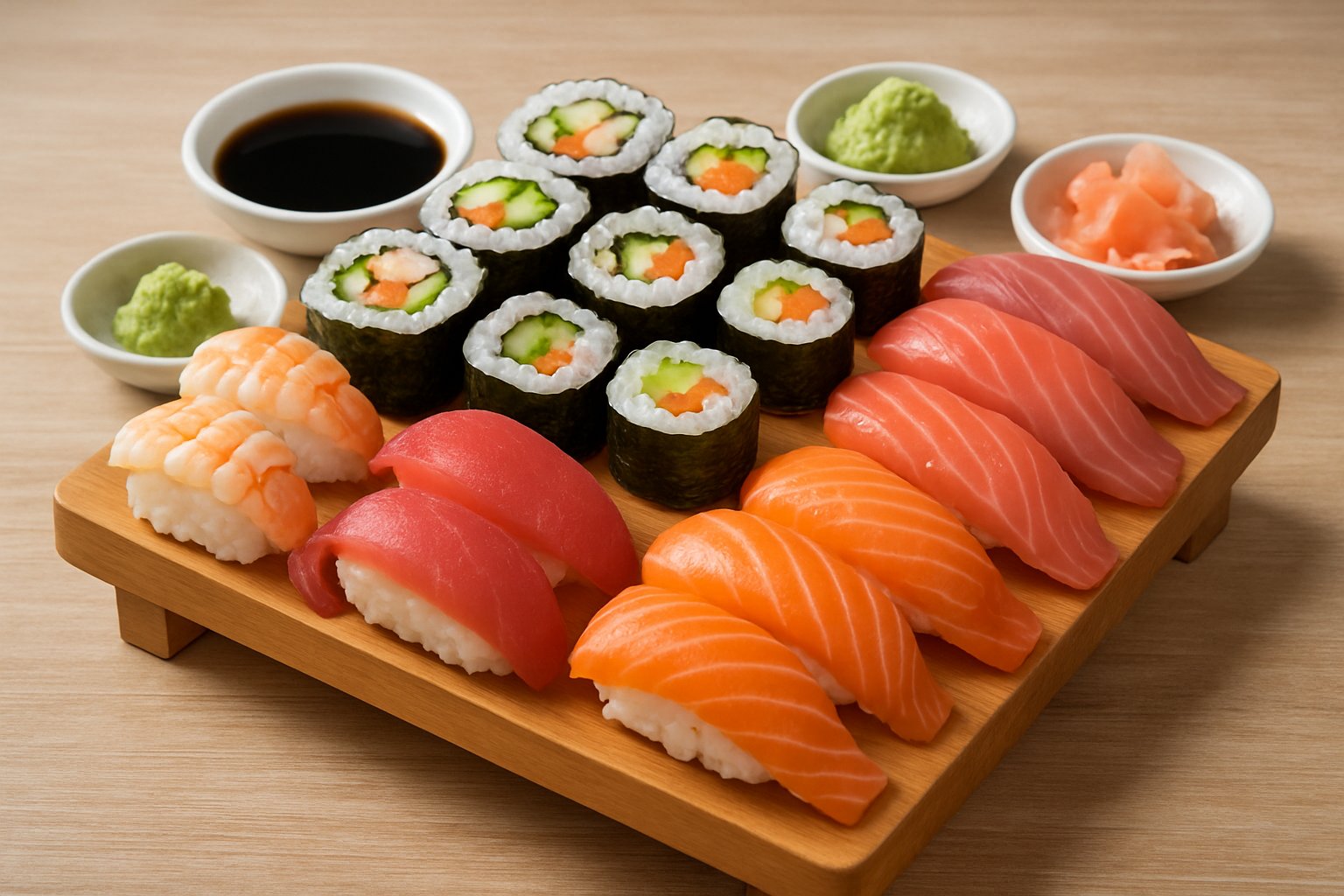
Calories in sushi really depend on the ingredients and prep. Sashimi usually sits at 40-60 calories per piece, while specialty rolls can get wild—some hit 200+ calories per piece thanks to sauces and fried stuff.
Sashimi Calorie Content
Sashimi is the lowest-calorie sushi option since it’s just raw fish, nothing else. Most pieces are between 40 and 60 calories.
Popular sashimi calories per 100 grams:
- Salmon sashimi: 127 calories
- Tuna sashimi: 108 calories
- Yellowtail sashimi: 146 calories
Fatty fish like salmon have more calories than leaner ones like tuna. That’s mostly healthy fat, though.
Sashimi gives you tons of protein and almost no carbs. A typical 3-4 piece serving lands between 120 and 240 calories.
Since there’s no rice or mayo, you can eat sashimi without worrying much about extra calories.
Nigiri Calorie Content
Nigiri pairs a little rice with a slice of fish. Each one usually has 80-100 calories, with the rice making up about half.
The fish adds 40-60 calories, while the rice is good for another 40-50 per piece.
Common nigiri calories per piece:
- Tuna nigiri: 50-60 calories
- Salmon nigiri: 60-70 calories
- Shrimp nigiri: 40-50 calories
Two pieces of tuna nigiri (about 100g) give you 117 calories and 15g protein. Rice gives quick energy, fish brings nutrients.
I’d say nigiri is a nice middle ground—satisfying, but not over the top with calories.
Makizushi and Sushi Rolls
Sushi rolls are all over the map calorie-wise, depending on what’s inside. Simple rolls might have 93 calories per 100g, while fancier ones can go past 200 for the same amount.
Popular roll calories per 100 grams (2-3 pieces):
- California roll: 93 calories
- Spicy tuna roll: 175 calories
- Philadelphia roll: 170 calories
- Spider roll: 214 calories
Tempura and fried bits jack up the calories. Spicy mayo, cream cheese, and avocado also make rolls heavier.
Keep it simple with cucumber or cooked seafood if you want to keep calories in check. Western-style rolls almost always have more calories than classic Japanese ones.
An 8-piece sushi roll can range from 450 to 800 calories. Simpler is usually better if you’re watching your intake, but hey, sometimes you just want what you want.
Vegetarian Sushi Options
Vegetarian sushi can be a happy medium—no fish, but still filling and not too heavy. Avocado and veggie rolls are popular for a reason.
Avocado rolls have about 140 calories per 100g, thanks to those healthy fats. Cucumber rolls are even lighter, around 78 calories per 100g.
Vegetarian sushi calories:
- Avocado roll: 140 calories per 100g
- Cucumber roll: 78 calories per 100g
- Vegetable tempura roll: 160-200 calories per 100g
Veggie sushi usually means more rice and fiber from all those plants. Tempura veggies, though, will add extra calories from the frying oil.
Plant-based sushi brings in nutrients and keeps calories reasonable. These work well if you’re skipping fish but still want to enjoy sushi night.
Popular Sushi Rolls and Their Calorie Counts
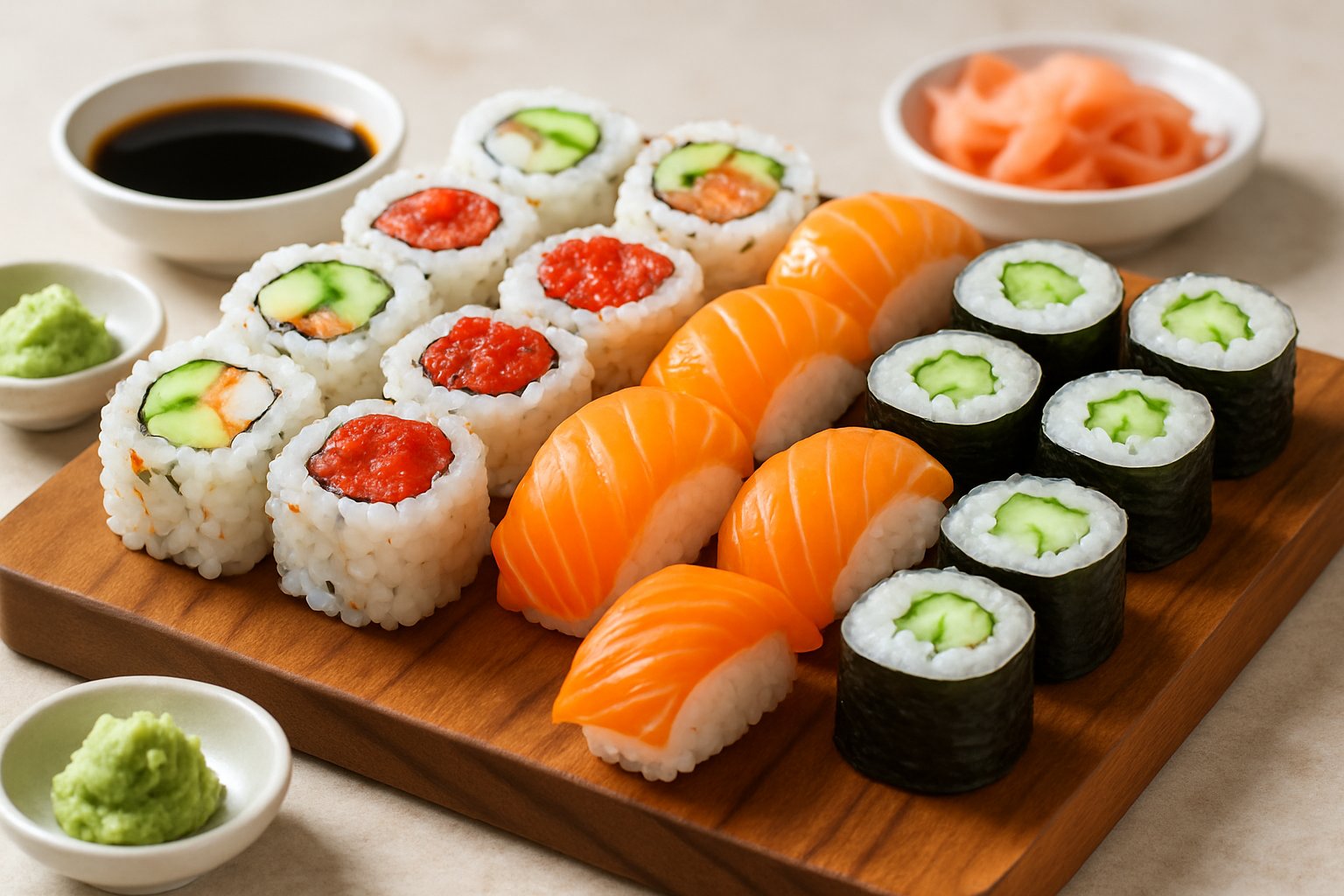
The most popular sushi rolls run from 200 up to 600 calories each. Simple California rolls usually have 250-350 calories, but tempura rolls can pack in 450-600. Fried fillings, mayo sauces, and cream cheese are the big calorie boosters.
California Roll
The California roll is the classic intro sushi for a lot of people. It’s got imitation crab, avocado, and cucumber rolled up in rice and seaweed.
One standard California roll (cut into 6-8 pieces) has 250-350 calories. The number changes based on the size and whether there’s mayo inside.
What’s adding the calories?
- Sushi rice: 150-200 calories
- Imitation crab: 40-60 calories
- Avocado: 50-80 calories
- Maybe a little mayo: 20-40 calories
Some spots pile on spicy mayo or sauces, which can push it up to 400 calories. Still, California rolls are lighter than fried or heavily sauced options.
Spicy Tuna Roll
Spicy tuna rolls mix raw tuna with spicy mayo. They’ve got more protein than California rolls, but that sauce brings extra calories.
Each spicy tuna roll comes in at 290-400 calories. The heat is usually from mayo and sriracha or another hot sauce.
Here’s where the calories come from:
- Sushi rice: 150-200 calories
- Raw tuna: 80-100 calories
- Spicy mayo: 60-100 calories
Spicy mayo is the main calorie culprit here. Just two tablespoons can tack on 100+ calories to an otherwise lean roll.
You can always ask for the sauce on the side or go easy on it. Some places even swap in just sriracha for a lighter kick.
Tempura Rolls and Deep-Fried Sushi
Tempura and deep-fried rolls are the real calorie monsters. Frying adds a ton of calories and fat.
Shrimp tempura rolls usually have 450-600 calories per roll. Deep-fried shrimp and heavy sauces are to blame.
Spider rolls (made with fried soft shell crab) come in around 400-550 calories. The whole crab gets battered and fried before rolling.
Big calorie sources in fried rolls:
- Tempura batter and oil: 150-250 extra calories
- Eel sauce: 30-50 calories per tablespoon
- Spicy mayo: 50-100 calories
- Tempura flakes: 20-40 calories
These rolls often stack up several high-calorie ingredients. A dragon roll with eel and tempura? That can hit 600+ calories fast.
Salmon and Avocado Rolls
Salmon and avocado rolls bring in healthy fats from omega-3s, but you’ll notice they have more calories than rolls with lean fish. Salmon and avocado both pack a lot of nutrients, but yeah, they’re calorie-dense.
A salmon avocado roll usually lands around 300-400 calories per roll. That’s more than a simple tuna or cucumber roll, but less than fried sushi options.
The calories mostly come from:
- Sushi rice: 150-200 calories
- Fresh salmon: 100-120 calories
- Avocado: 50-80 calories
Philadelphia rolls toss in cream cheese with the salmon and can hit 400-420 calories. Cream cheese bumps up the count by about 60-80 extra calories compared to a basic salmon roll.
Ingredients That Affect Sushi Calories
Calories in sushi swing a lot depending on what’s inside. The amount of rice, the type of protein, and any sauces or extras really change the meal’s nutrition.
Rice and Portion Sizes
Rice is the backbone of most sushi, and honestly, it’s where most of the calories hide. A piece of nigiri usually has about 5-6 grams of seasoned sushi rice, which adds up to 20-25 calories per piece.
Sushi rice isn’t just plain rice—it gets mixed with sugar and rice vinegar, nudging the calories up a bit. That vinegar-sugar combo adds maybe 2-3 calories per piece, which isn’t much, but it adds up.
Portion sizes can really change things:
- Nigiri pieces: 20-30 calories from rice alone
- Maki rolls: 15-20 calories of rice per piece
- Large specialty rolls: 40-60 calories from rice per piece
Biggest calorie jumps? Definitely the hefty specialty rolls. A cucumber roll has way less rice than those thick, American-style creations. Restaurants here tend to pile on way more rice than traditional Japanese spots.
Fish, Seafood, and Protein Choices
Protein choices play a big role in both calories and nutrition. Raw fish usually brings fewer calories than cooked or processed proteins.
Low-calorie protein options:
- Tuna: 8-12 calories per piece
- Salmon: 10-15 calories per piece
- Shrimp: 6-10 calories per piece
- Cucumber or avocado: 2-8 calories per piece
Higher-calorie proteins:
- Eel with glaze: 15-25 calories per piece
- Crab (often imitation): 8-12 calories per piece
- Egg: 12-18 calories per piece
Fatty fish like salmon have more calories, but you get those good omega-3 fats. Imitation crab, popular in California rolls, sneaks in extra starches and sugars, so the calories go up.
Sauces, Toppings, and Fillings
Sauces and extras? They can totally double or triple the calories in sushi. A lot of Western-style rolls pile on high-calorie additions that you just don’t see in classic sushi.
Common high-calorie additions:
- Spicy mayo: 50-80 calories per roll
- Eel sauce: 30-50 calories per roll
- Cream cheese: 40-60 calories per roll
- Tempura coating: 100-150 calories per roll
Lower-calorie options:
- Soy sauce: 2-3 calories per tablespoon
- Low-sodium soy sauce: 2-3 calories per tablespoon
- Wasabi: Less than 1 calorie per serving
- Pickled ginger: 1-2 calories per serving
Honestly, if you want to keep calories in check, go easy on the sauces. Wasabi, pickled ginger, and soy sauce (in moderation) boost flavor without packing on calories.
Sushi Nutrition Benefits Beyond Calories
Sushi isn’t just about calories—it’s got complete proteins, heart-healthy omega-3s, and a bunch of vitamins and minerals. Fish, rice, seaweed, and veggies come together to make a meal that’s pretty nutrient-dense and fits into a balanced diet.
Protein and Healthy Fats
Fish-based sushi gives you all nine essential amino acids your body needs. Salmon nigiri and tuna sashimi usually have 6-8 grams of protein per piece, which helps build muscle, support your immune system, and keeps you full longer.
Omega-3 fatty acids are a big win here. Salmon, tuna, and mackerel offer EPA and DHA omega-3s that fight inflammation and support your heart. There’s even some evidence these fats help your brain and might lower blood pressure.
The fat content changes depending on the fish:
- Salmon: Lots of omega-3s and healthy monounsaturated fats
- Tuna: Lean protein, still some omega-3s
- Eel: Higher fat, but still includes those good omega-3s
Even veggie rolls like avocado rolls bring in monounsaturated fats for your heart.
Micronutrients in Sushi Ingredients
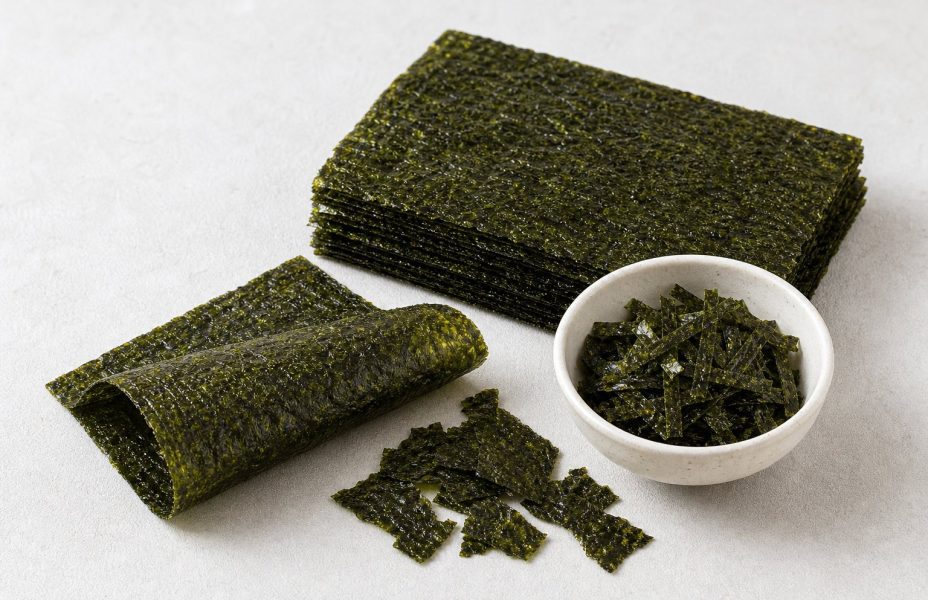
Nori seaweed wraps up your sushi and brings iodine, which keeps your thyroid happy. It’s also got vitamin B12, folate, and vitamin C. One little sheet of nori gives you a good chunk of your daily iodine.
Raw fish in sashimi and nigiri provides selenium, a powerful antioxidant that helps protect your cells. Tuna especially has a lot of selenium, plus vitamin D and B vitamins.
Sushi rice brings B vitamins like thiamine and niacin. If you find a place that uses brown rice, you’ll get some fiber and magnesium, too.
Veggies in sushi rolls add their own perks:
- Cucumber: Vitamin K and potassium
- Avocado: Folate, vitamin E, and potassium
- Carrots: Beta-carotene and vitamin A
Sushi and a Balanced Diet
Sushi actually fits into a healthy eating pattern pretty nicely. You get lean protein from fish, carbs from rice, and veggies in a lot of rolls. That mix helps keep your blood sugar steady.
It’s also easier to control portions with sushi—six to eight pieces usually make a satisfying meal without overdoing it.
Fresh preparation means sushi keeps most of its nutrients. Raw fish in sashimi and nigiri holds onto those heat-sensitive vitamins. Less processing means the ingredients keep more of their natural value.
If you’re following a Mediterranean-style diet or just trying to eat more fish, sushi can work really well. The focus on fresh ingredients, lean proteins, and moderate portions lines up with current healthy eating advice.
Frequently Asked Questions
Calories in sushi? They’re all over the place, honestly. A piece of nigiri usually has 40-60 calories, and sushi rolls can range from 200 up to 500 calories per roll.
What is the average calorie count for a piece of nigiri sushi?
Most nigiri sushi pieces have around 40-60 calories. The exact number depends on the fish or topping.
Salmon nigiri is a bit higher because salmon’s got more fat. Tuna nigiri is usually on the lower end.
Crab nigiri with imitation crab clocks in at about 33 calories per 35-gram piece. Most of the carbs and calories come from the rice under the fish.
How many calories are typically found in a sushi roll?
A standard 6-piece sushi roll usually has 200-250 calories if it’s made with fish and veggies. But honestly, ingredients and prep style can swing that number a lot.
Simple veggie rolls—like cucumber—are on the low end. One cucumber roll piece? Only about 21 calories.
Fancier rolls with more stuff inside can hit 300-400 calories or more per roll. Rice, nori, and fillings all add up.
Can you provide the calorie range for different types of sushi rolls?
Veggie rolls are the lightest, usually 140-180 calories per 6-piece roll. Cucumber and avocado rolls fit here.
Fish-based rolls like salmon or tuna rolls come in at 200-300 calories per roll. The fish type and extras matter.
Specialty rolls with cream cheese, tempura, or a bunch of ingredients can hit 400-500 calories or more. Those Western-style rolls love their sauces and rich fillings.
What are the caloric contents of a serving of sashimi?
Sashimi is one of the lowest-calorie sushi picks since it’s just raw fish—no rice. A typical serving (3-4 pieces) has 100-150 calories.
The fish type is everything here. Fatty fish like salmon has more calories than leaner fish like tuna.
No rice means way fewer carbs compared to other sushi. Most sashimi calories come from protein and natural fish oils.
How does the inclusion of avocado or cream cheese affect sushi’s calorie count?
Avocado adds about 50-80 calories to a sushi roll thanks to its healthy fats. One piece of avocado roll has roughly 28 calories.
Cream cheese is a heavier hitter—expect 100-150 extra calories per roll. You’ll see this in Philadelphia rolls and similar styles.
Both boost the fat content, but avocado gives you healthy monounsaturated fats, while cream cheese brings in more saturated fat.
What are the lower-calorie options available when choosing sushi?
Sashimi tops the list for lowest calories—just raw fish, no rice, no fuss. If you want to cut back even more, stick with lean fish like tuna or snapper.
Simple veggie rolls are a solid bet too. Cucumber or avocado rolls usually come in at about 140 to 200 calories for a 6-piece serving.
If you’re craving rice, nigiri with lean fish like tuna or yellowtail keeps things reasonable. I’d skip anything with tempura, cream cheese, or those heavy sauces—they’ll sneak in extra calories fast.