
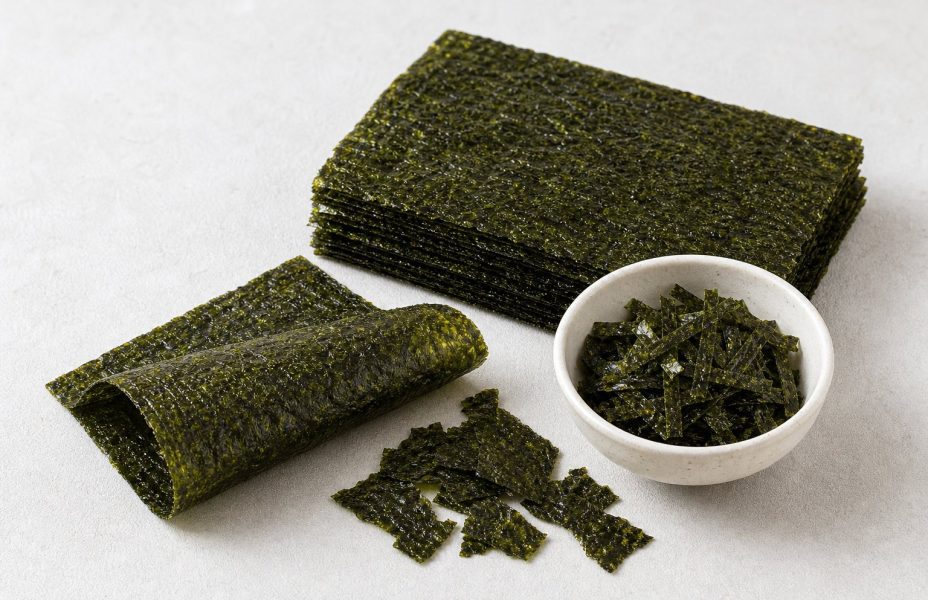
Can You Eat Sushi Nori Raw? Safety and Nutrition
Yes, you can eat sushi nori straight from the packet. Those dark green sheets wrapped around your maki rolls are dried seaweed, and almost every packet sold in Irish supermarkets has already been toasted before it reaches the shelf. No cooking, soaking, or extra prep is needed. The word "raw" causes most of the confusion here. People associate raw sushi with raw fish, which carries real handling rules. Nori is a different story entirely: it is a sea vegetable that has been harvested, washed, pressed into sheets and dried at low heat, which removes the moisture bacteria need to grow....

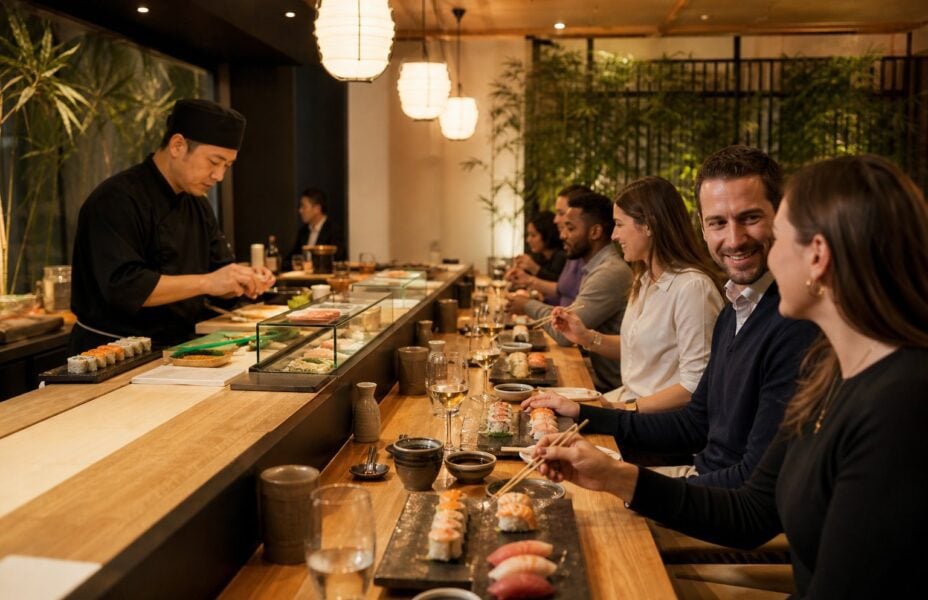
What’s the Dress Code for Sushi Restaurants in Dublin? A Complete Local Guide
Dublin's sushi restaurant scene doesn't require formal attire, but you'll want to dress thoughtfully. Whether you're planning dinner at a casual spot in Temple Bar or a higher-end establishment in the city centre, understanding what locals wear will help you feel comfortable and appropriately dressed. Most sushi restaurants in Dublin follow a smart-casual dress code, which means clean, neat clothing like dark jeans or trousers paired with a nice top or button-up shirt, whilst avoiding overly casual items like athletic wear, flip-flops, or graphic t-shirts. The key is to look presentable without overdressing. Dublin's dining culture strikes a balance between...
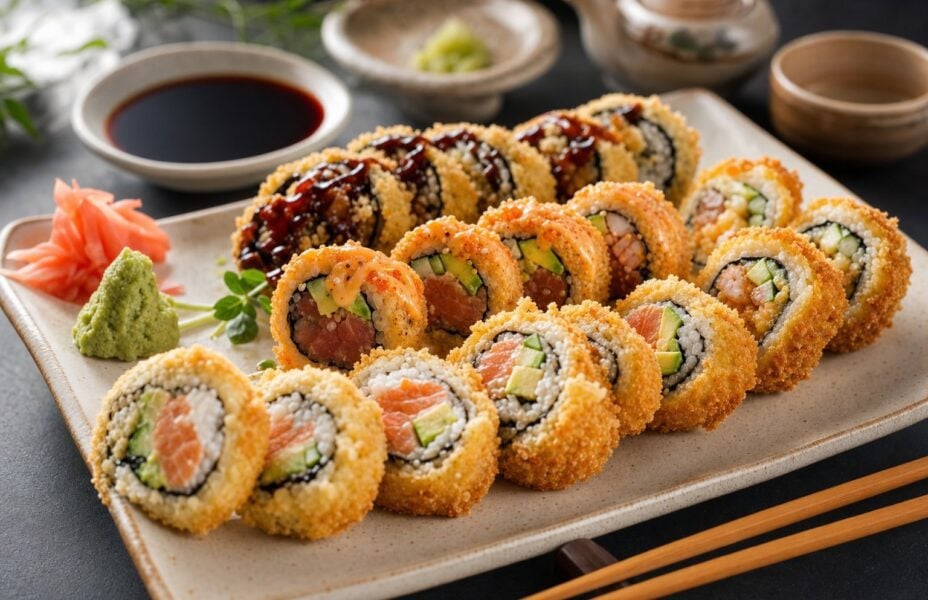
What Sushi Is Fried: Types, Preparation, and Expert Tips
Fried sushi might sound unusual if you're used to traditional raw fish rolls, but it's become a beloved variation in restaurants worldwide. Fried sushi, also called tempura maki, is sushi that has been coated in a light batter and deep-fried until crispy, creating a crunchy texture that contrasts with the tender fillings inside. This cooking method transforms familiar sushi rolls into something entirely different. The concept emerged when chefs modified the original Japanese cuisine after sushi gained popularity in America following World War II. They experimented with different techniques and ingredients to create their own versions. The result is a...
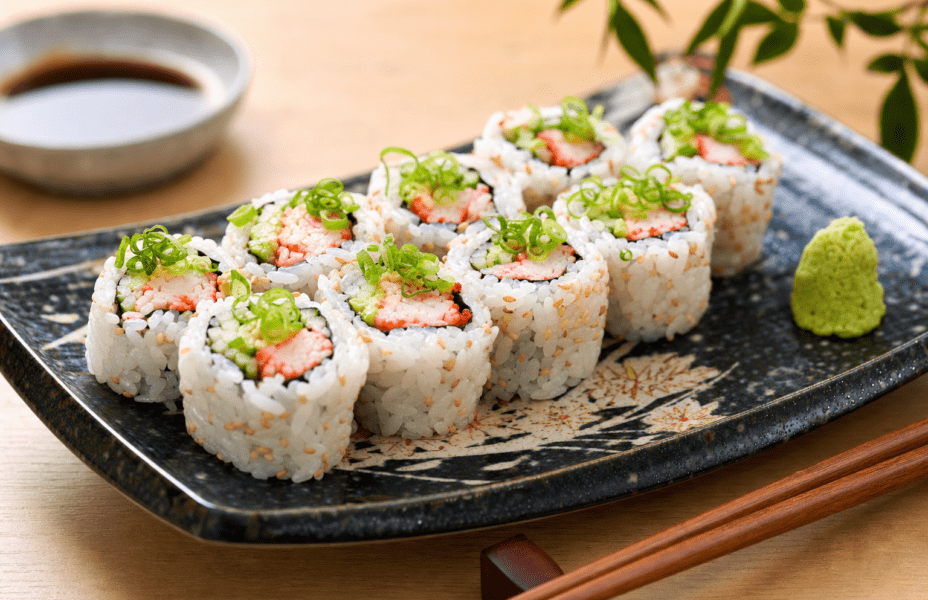
What Is Kani Sushi? Guide to Ingredients, Types, and Nutrition
Kani sushi is a popular type of sushi that features crab as its main ingredient, with the word "kani" meaning crab in Japanese. You'll find kani sushi in many Japanese restaurants, but what you're eating might not be what you expect. Most kani sushi served today uses imitation crab meat made from processed white fish called surimi, rather than real crab. The confusion around kani comes from how widely imitation crab meat has become in sushi culture. This fish-based substitute offers a sweet, mild flavour and costs far less than genuine crab. Whether you're ordering a spicy kani roll or...
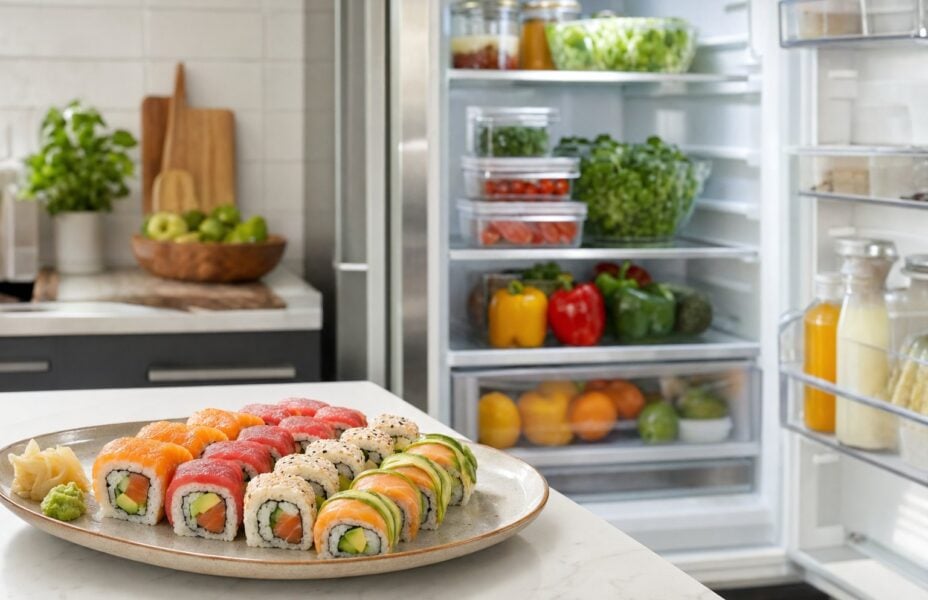
How Long Do Sushi Rolls Last in the Fridge: Safe Storage & Freshness Tips
You've got leftover sushi rolls in your fridge, but you're not sure if they're still safe to eat. It's a common situation, and knowing how long sushi lasts can help you avoid food waste whilst staying safe. Cooked sushi rolls can last 3-4 days in the fridge, whilst raw fish rolls should be eaten within 1-2 days for best quality and safety. The difference comes down to bacterial growth, which happens faster with raw ingredients. Vegetable rolls follow the same timeline as cooked varieties since they don't contain raw fish. Proper storage makes all the difference in keeping your sushi...

Sushi Takeaway Dublin 8 | Aoki Sushi Noodle Bar Guide
Finding quality sushi takeaway in Dublin 8 can be challenging when you want authentic Japanese flavours without compromising on freshness or taste. Many restaurants claim to offer genuine Japanese cuisine, but few deliver the traditional preparation methods and quality ingredients that make sushi exceptional. Aoki Sushi Noodle Bar, located at Unit 4, 63 Richmond Street South in Dublin 8, offers authentic Japanese sushi and noodles for takeaway with fresh ingredients and traditional preparation methods. The restaurant has built a reputation for authentic Japanese flavours in the heart of Dublin City Centre, earning positive reviews from local diners and visitors alike....
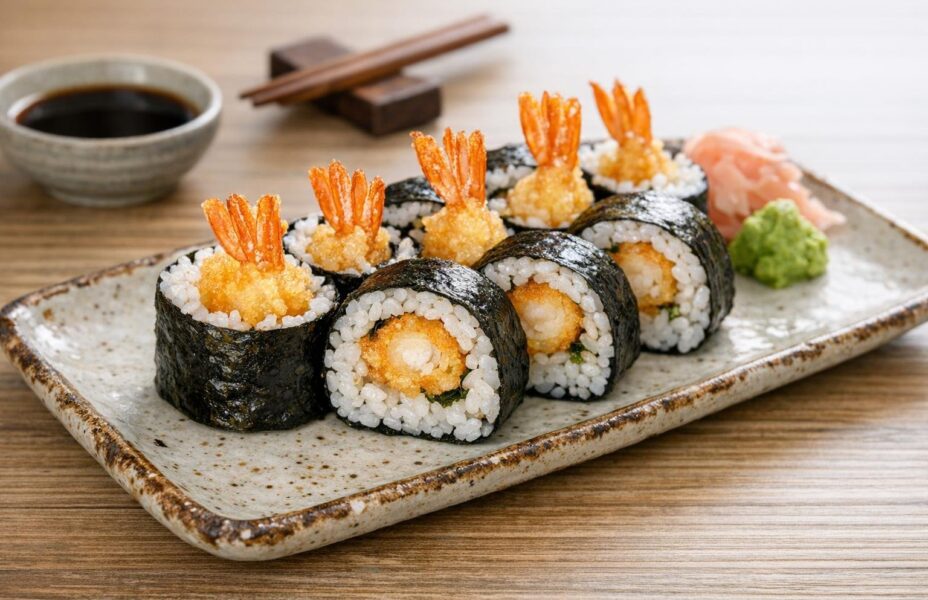
Can Shrimp Tempura Sushi Be Frozen? Safe Storage & Quality Tips
Shrimp tempura sushi brings together crispy fried shrimp and fresh sushi rice. So, what do you do when you’ve got leftovers or want to prep meals in advance? Freezing this dish is a common question. Let’s dig in. Freezing shrimp tempura sushi really isn’t a great idea. The process messes up the crispy tempura coating and wrecks the texture of the sushi rice. Ice crystals form inside the food when it freezes, which leads to soggy batter and mushy rice once thawed. That’s not exactly the mouthfeel you want from sushi. Still, if you’re determined to freeze it, certain techniques...
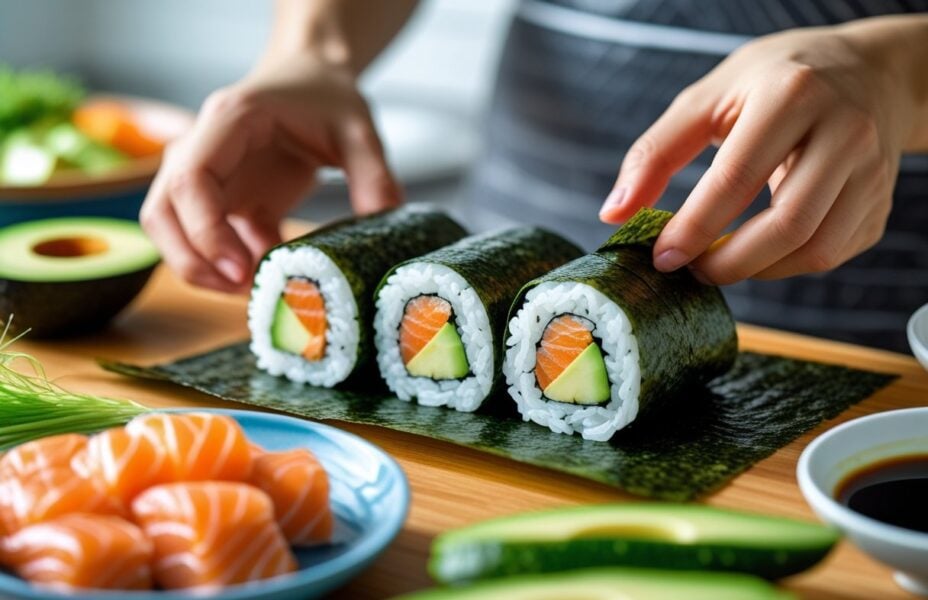
How to Make Uramaki Sushi Rolls Without Bamboo Mat: Step-by-Step Guide
You can make clean, restaurant-style uramaki (inside-out) rolls without a bamboo mat by using plastic wrap, a clean towel, or cling film, plus a steady, gentle roll. With properly cooled sticky rice, restrained fillings, and a simple towel-or-plastic-wrap method, you’ll get tight inside-out rolls that hold together and slice neatly. This post walks you through each step so you can go from spreading the rice to sealing the final roll with confidence. You’ll see how to control rice stickiness, layer nori and fillings, form the roll without a mat, and cut tidy pieces for a plate that looks as good...
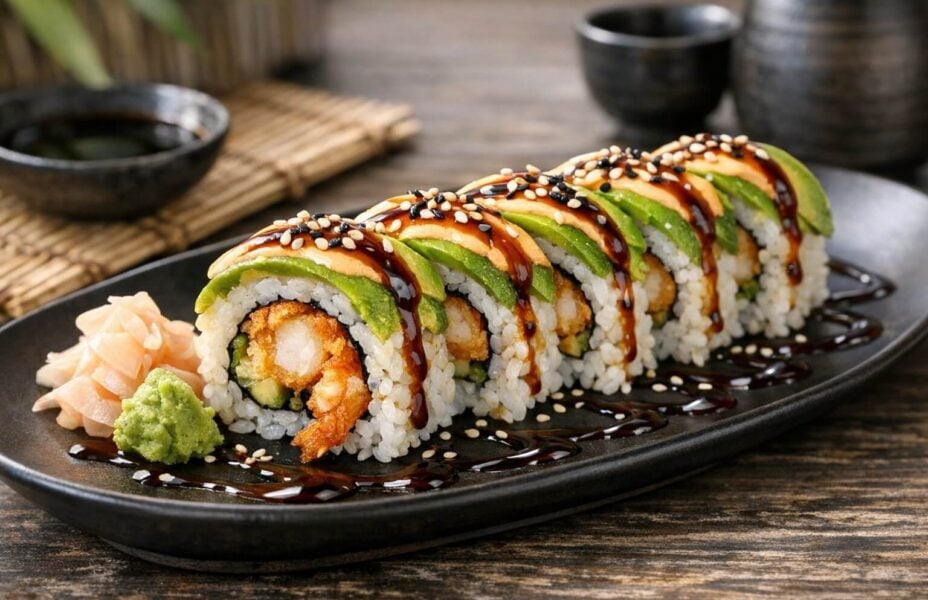
What Is a Tiger Sushi Roll? Ingredients, Variations & How to Enjoy
Tiger roll sushi has become a go-to at many sushi spots, especially for folks who want to skip raw fish. A tiger roll is a sushi roll with tempura-fried shrimp, cucumber, avocado, sushi rice, and nori seaweed. It’s a cooked option, great for anyone new to sushi. The name comes from the tiger shrimp in the roll, though you’ll sometimes find different takes on it. This roll stands out with its mix of textures and flavors. The crispy shrimp tempura plays off the creamy avocado and crunchy cucumber. Tiger rolls are higher in calories than a lot of other sushi...

What Rice for Sushi Roll: Best Types, Preparation, and Tips
Making sushi at home? It all starts with picking the right rice. If you use the wrong kind, your rolls will fall apart or taste kind of bland. Getting this foundation right makes a huge difference between a so-so attempt and something that actually feels restaurant-worthy. The best rice for sushi rolls is short-grain Japanese rice. It’s usually labelled as "sushi rice" at the store and has a high starch content, which creates the sticky texture you need to keep your rolls together. Varieties like koshihikari, hitomebore, and akitakomachi are top picks. These types have more amylopectin starch than other...