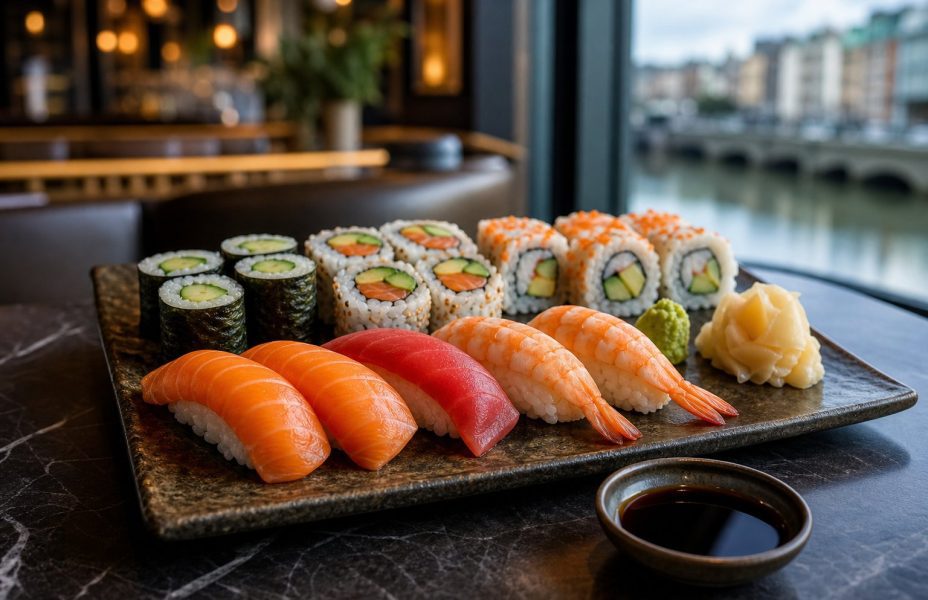
Walk into a sushi spot, such as Aokisushinoodlebar, and you’ll spot those small, neat pieces of fish perched on rice. Nigiri sushi is a traditional Japanese dish made of hand-pressed seasoned rice topped with raw fish or seafood.
This simple combo—just rice and fish—has become one of the world’s favorite types of sushi. It’s elegant, but not fussy.
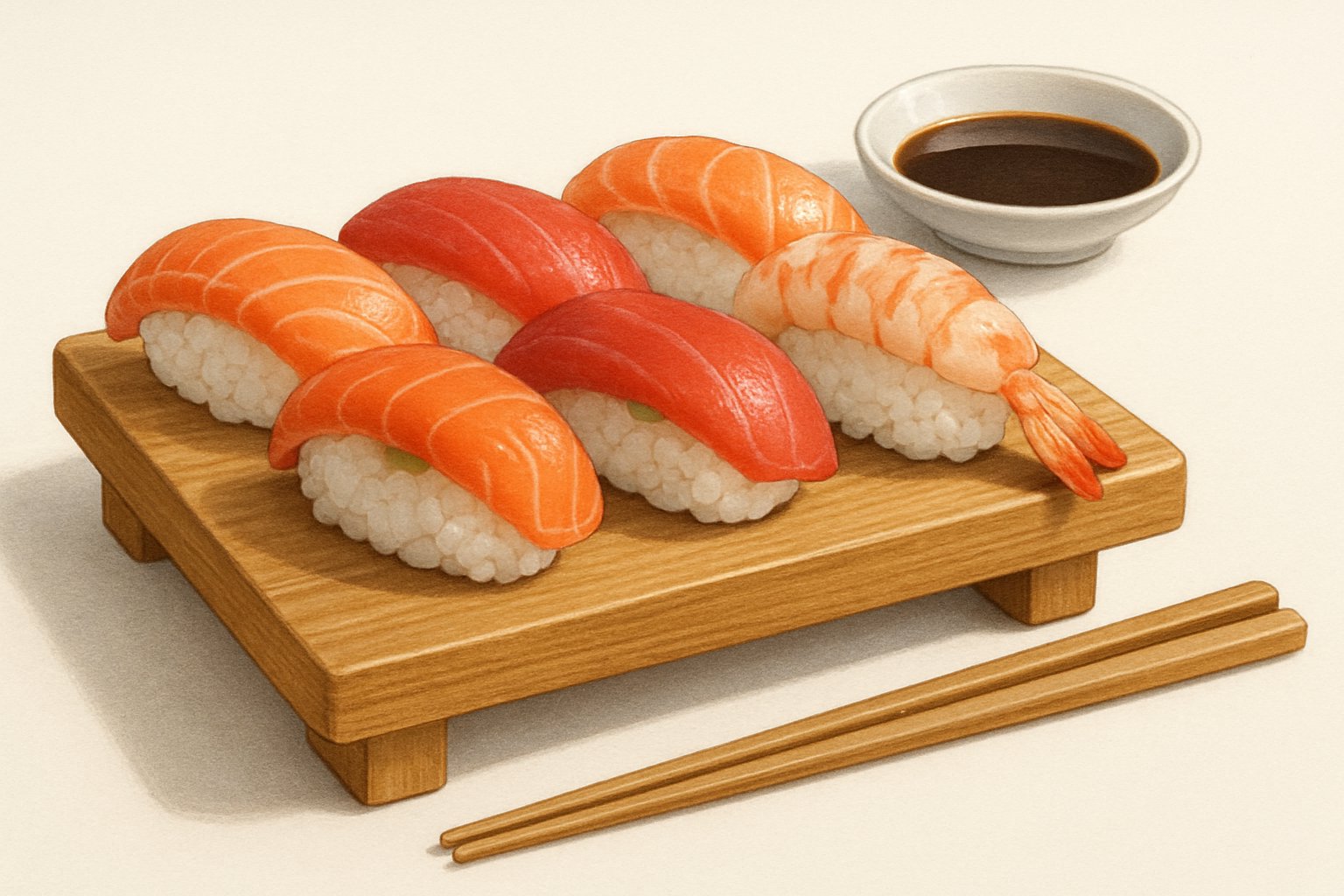
Nigiri isn’t like sushi rolls wrapped up in seaweed. Instead, it’s all about the harmony between just two main ingredients.
The chef shapes the rice by hand, then lays a slice of fresh fish on top. That’s it—no fancy tricks, just a perfect bite that lets the fish and rice shine.
At most sushi restaurants, you’ll get nigiri with soy sauce and wasabi on the side. The dish stands for centuries of Japanese culinary tradition.
Understanding nigiri gives us a window into the art and culture behind true sushi making.
Key Takeaways
- Nigiri is hand-pressed rice topped with raw fish or seafood, showcasing traditional Japanese sushi craft
- This minimalist two-ingredient dish stands apart from sushi rolls by focusing on the balance between rice and topping
- Eating nigiri comes with its own etiquette and, when made with good ingredients, real nutritional perks
Defining Nigiri Sushi
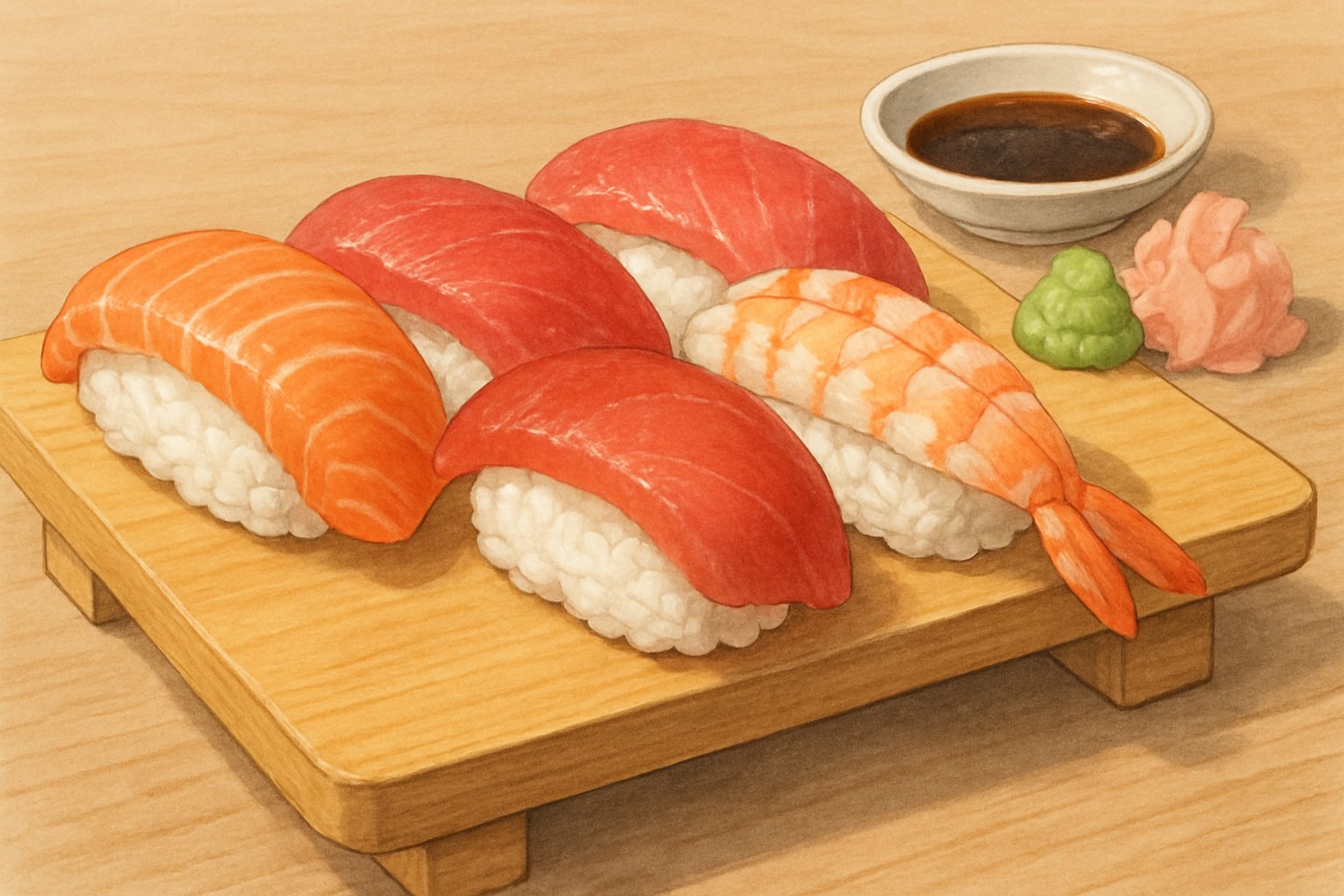
Nigiri sushi stands as one of the most traditional forms of Japanese cuisine. It’s built on a simple foundation—hand-pressed sushi rice with fresh fish or seafood on top.
This dish really separates itself from other sushi styles through its clean simplicity and the careful balance between just two elements.
What Sets Nigiri Apart from Other Sushi Types
Nigiri has a distinctive hand-pressed oval shape and uses minimal ingredients. Unlike maki rolls, which wrap fillings in seaweed, nigiri puts the relationship between rice and topping front and center.
Sushi chefs press vinegared rice by hand into little mounds, then set a slice of fish or seafood right on top. That’s the whole method.
Nigiri isn’t sashimi—it always comes with rice. Sashimi is just sliced raw fish, no rice at all.
Each piece of nigiri fits neatly between two fingers. You’re meant to eat it in one bite, which just feels right, honestly.
The word “nigiri” means “hand-pressed” in Japanese, nodding to the technique sushi masters use for every piece.
The Core Elements: Rice and Topping
Shari, or sushi rice, forms the base of every nigiri. It’s a blend of cooked rice, vinegar, sugar, and salt—nothing too wild, but it’s got to be just right.
Chefs use about 8-10 grams of vinegared rice per piece. They shape it into a small oval using damp hands, so it doesn’t stick everywhere.
The topping—neta—is usually raw fish or seafood. Salmon, tuna, shrimp, and eel are all classics, but these days, you’ll see some cooked or veggie options too.
There’s usually a dab of wasabi between the rice and fish. It adds a kick and helps the topping stick to the rice.
The fish slice is usually around 3 inches long, 1 inch wide, and a quarter-inch thick. Cutting it right is an art, making sure it drapes over the rice just so.
Traditional vs. Modern Nigiri
Back in the Edo period, traditional nigiri looked and tasted different. The original pieces had three times more rice and were seasoned with more salt, not sugar.
Nigiri got its start in 1820s Tokyo, where it was quick street food. They called it “Edomae sushi” when made with fish straight from Tokyo Bay.
Modern nigiri keeps the same basic structure but has a lot more variety. Contemporary sushi spots might top nigiri with grilled eel or steamed shrimp, not just raw fish.
Presentation and serving styles have changed too. The old-school stuff was bigger and saltier—made for workers who needed a fast, filling bite.
These days, nigiri is more refined. Sushi chefs spend years dialing in the right rice temperature, fish quality, and presentation. It’s almost obsessive, but in a good way.
History and Cultural Significance
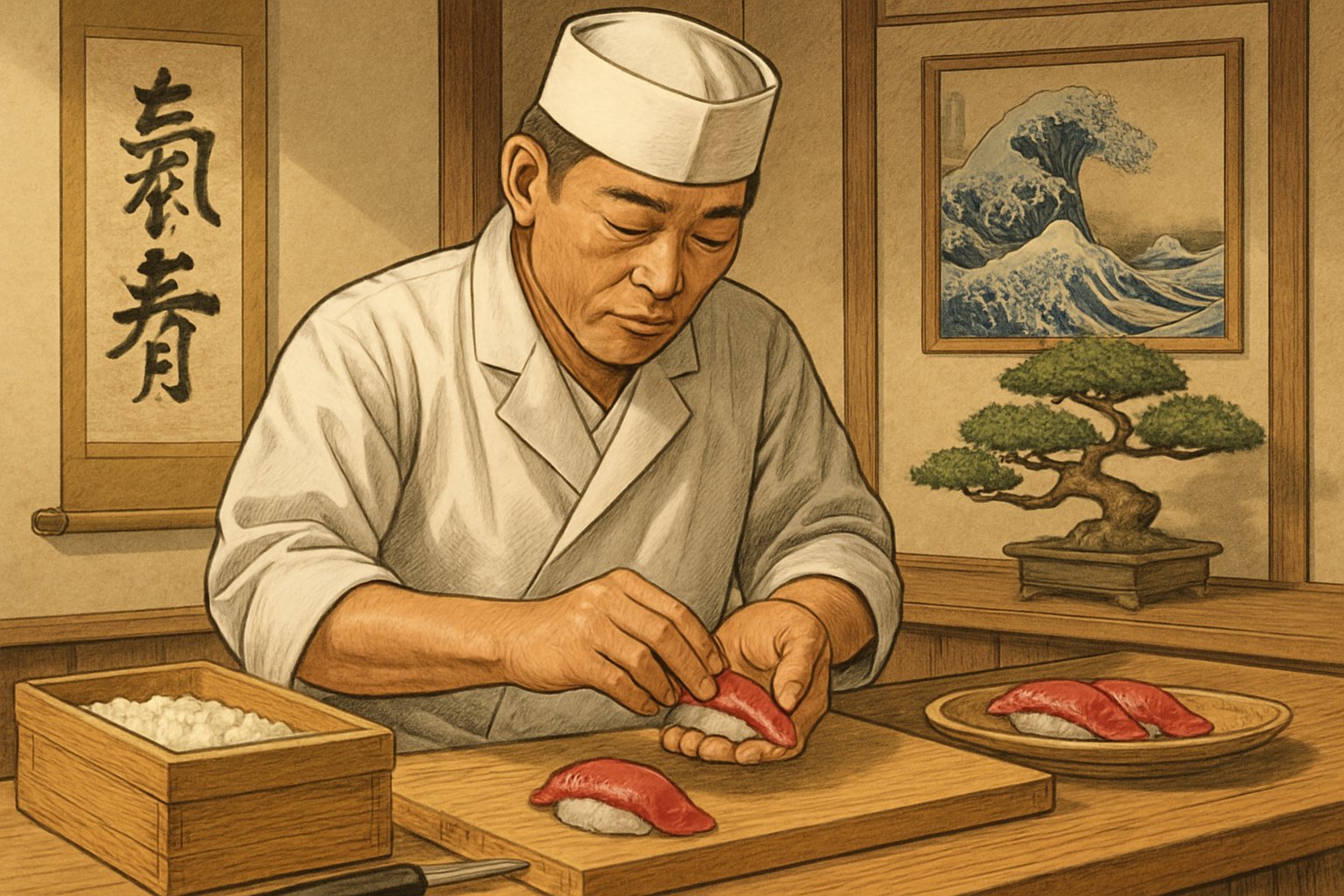
Nigiri sushi started in 19th-century Tokyo as street food, but it’s now a symbol of Japanese craftsmanship. It evolved from simple preservation into an art form that really reflects Japan’s love of precision and quality.
Origins in Edo-Era Japan
Nigiri sushi popped up during the Edo period (1603-1868) in Tokyo, which was called Edo back then. Street vendors made it as fast food for busy workers and travelers who needed something quick.
The first nigiri pieces were huge—about the size of a palm. Vendors would press vinegared rice by hand and top it with fresh fish from Tokyo Bay.
By the 19th century, sushi makers started splitting those big pieces into two. That made them easier to eat and a bit cheaper per bite.
The sushi world shifted away from fermenting fish for preservation, focusing instead on the freshest ingredients, especially local fish.
Cultural Importance in Japanese Dining
Nigiri sushi stands for attention to detail and artistic presentation. Each piece takes precise handwork and years of practice to get right.
It started out as a luxury food, only for the wealthy who could afford top-quality fish and seasoned rice. Nigiri became a symbol of status and wealth in Japan.
This dish really embodies Japanese ideas about simplicity and balance. Perfectly seasoned rice and fresh fish—nothing more, nothing less.
Today, master sushi chefs at places like Sukiyabashi Jiro and Sushi Nakazawa carry on these traditions. They treat every piece like a little work of art.
Evolution and Global Spread
Nigiri sushi has gone from Tokyo street snack to a worldwide culinary hit. These days, sushi restaurants serve nigiri as a premium experience, not just a quick meal.
The dish spread globally in the mid-20th century. As people traveled, they found Japanese cuisine and brought it home with them.
Japanese sushi chefs opened restaurants around the world, teaching their craft and helping keep nigiri authentic, even far from Japan.
Now you’ll find both classic toppings like tuna and salmon, plus modern twists. Some places serve vegetarian nigiri or use local fish, but the hand-pressed technique remains at the heart of it.
Key Ingredients of Nigiri Sushi
Three things make true nigiri: seasoned sushi rice, high-quality fish or seafood, and classic condiments that tie it all together. Each part needs care and attention for that signature balance.
Sushi Rice Preparation
Great nigiri starts with great rice. We use short-grain rice for its sticky texture—it holds together when you shape it by hand.
Cooking the rice is a precise process. Rinse it until the water runs clear, cook it with the right water ratio, then let it cool slightly before seasoning.
Rice seasoning ingredients:
- Rice vinegar (2-3 tablespoons per cup of cooked rice)
- Sugar (1-2 teaspoons)
- Salt (1 teaspoon)
We gently fold the seasoning into warm rice with a wooden spoon. You want the rice at body temperature before shaping. The taste should be lightly tangy and sweet, not overpowering.
The texture is key—it should stick together when pressed, but fall apart easily in your mouth.
Fish and Seafood Selection
Sushi-grade fish is the heart of nigiri. We pick fish that’s been handled and stored safely for eating raw—no shortcuts here.
Popular nigiri fish choices:
- Salmon (sake) – buttery and mild
- Tuna (maguro) – rich and meaty
- Yellowtail (hamachi) – smooth texture
- Cooked shrimp (ebi) – sweet and firm
Raw fish needs careful handling from sea to plate. Look for bright color, firm texture, and no fishy smell. The fish should feel cool and bounce back when pressed.
Some nigiri uses cooked seafood like shrimp or eel—great for folks new to raw fish or those with dietary needs.
Essential Condiments and Garnishes
Traditional condiments boost nigiri’s flavor without masking the fish. We usually tuck a bit of wasabi between rice and fish. It adds heat and helps the topping stay put.
Key accompaniments:
- Wasabi – fresh ground is best, brings a spicy kick
- Soy sauce – for a quick dip, go easy
- Pickled ginger – resets your palate between bites
Pickled ginger sits on the side for cleansing your palate, not for eating with the nigiri itself.
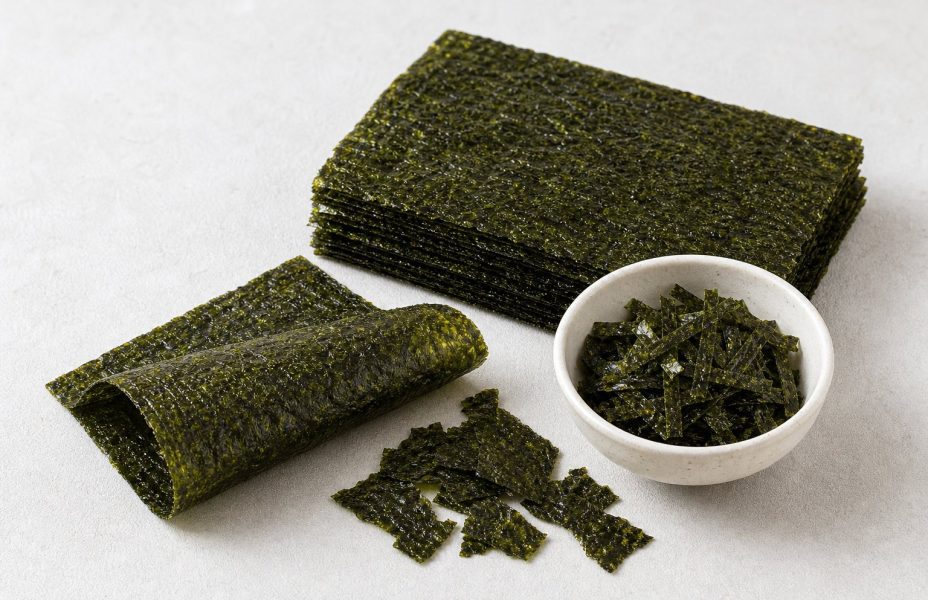
Some pieces use nori (seaweed) as a wrap or to hold loose toppings like sea urchin. Thin seaweed adds a subtle ocean flavor and keeps everything together.
Quality matters—fresh wasabi blows away the powdered stuff mixed with water.
Popular Nigiri Toppings
Classic nigiri toppings include raw fish like tuna and salmon, cooked seafood such as shrimp and eel, and other ingredients that pair well with seasoned rice. Each one brings its own flavor and texture to the table.
Tuna (Maguro)
Tuna is easily one of the most popular nigiri toppings worldwide. There are a few different cuts, each with its own flavor and texture.
Akami is the lean, red meat from the sides and back of the tuna. It’s got a clean, meaty flavor—great for sushi newbies.
Chu-toro comes from the belly and has more fat than akami. It’s soft, almost buttery, and pricier than regular tuna.
O-toro is the fattiest belly cut. It’s super rich and melts in your mouth, which explains the high price tag.
Yellowtail (hamachi) is another favorite from the tuna family. It’s mild, a little sweet, and has a smooth texture that works beautifully for nigiri.
Salmon (Sake)
Salmon nigiri’s become a huge favorite, especially in Western sushi spots. The fish brings a rich, buttery flavor that just works for so many people.
Fresh salmon gives you a clean, mild taste. Its orange-pink color stands out on the sushi bar—can’t really miss it.
Seared salmon gets a quick torch on the outside, but stays raw inside. That smoky edge adds a little something extra.
Some places offer salmon belly, which is fattier and even richer than regular salmon. All that extra oil just melts away on your tongue—pretty decadent.
You’ll often see salmon with a dab of wasabi or a splash of soy sauce. Its natural oils play nicely with the seasoned rice.
Shrimp (Ebi)
Shrimp nigiri uses cooked shrimp, not raw. The shrimp gets boiled, then butterflied to lay flat on the rice.
Sweet shrimp (amaebi) comes raw and tastes sweet, almost delicate. It’s pricier than the usual cooked shrimp.
Cooked shrimp offers a firm texture and a mild, familiar flavor. Folks who avoid raw fish often go for this one.
Chefs sometimes secure the shrimp to the rice with a skinny nori strip. That keeps everything together when you pick it up.
Shrimp nigiri feels approachable for beginners. The taste is familiar and the cooked prep is less intimidating than raw fish.
Eel (Unagi)
Eel nigiri always comes cooked—never raw. Chefs grill the eel and brush it with a sweet, soy-based tare sauce.
Freshwater eel (unagi) gets its smoky, rich flavor from grilling. The sweet glaze gives each bite more depth.
Saltwater eel (anago) tastes lighter than unagi. Chefs usually go easy on the sauce so the eel’s flavor shines through.
The eel’s soft texture contrasts with the firmer rice. Usually, there’s a light brush of sauce on top for extra flavor.
Eel nigiri works well for people who like cooked fish. The sweet and savory combo makes it a solid pick for sushi newcomers.
Comparison with Other Sushi Types
Nigiri stands out from other sushi with its hand-pressed rice and direct fish-to-rice contact. Sashimi skips rice entirely, while maki and rolls wrap everything up in seaweed and rice.
Nigiri vs. Sashimi
Sashimi is just sliced raw fish or seafood—no rice at all. Technically, that means it isn’t sushi, since sushi always needs vinegared rice.
You’ll see sashimi as thick, pristine slices on a plate. Chefs cut it thicker than nigiri toppings since there’s no rice to balance things out.
Nigiri combines rice and fish in one bite. The vinegared rice gives a mild, tangy base that sets off the fish’s flavors.
Sashimi usually costs more, since you get a bigger portion of pure fish instead of rice filling you up.
The experience is different too. Sashimi gets eaten with chopsticks, usually dipped in soy sauce and wasabi. Nigiri? You pick it up and eat the whole thing in one bite, hands-on.
Nigiri vs. Maki
Maki rolls rice and fillings inside nori seaweed. Chefs use bamboo mats to roll everything tight before slicing into rounds.
Maki’s easy to spot by its circular shape. Seaweed wraps the outside, with rice and fillings in the middle.
Nigiri skips the rolling and seaweed. Chefs shape it by hand—just rice pressed into ovals, fish on top.
Maki can hold all sorts of fillings—cucumber, avocado, different seafood. Nigiri sticks to one main fish or seafood per piece.
The rice setup is a bit different too. Maki spreads rice on seaweed sheets, but nigiri rice gets molded into its own shape and density.
Nigiri vs. Sushi Rolls
Sushi rolls cover all kinds of rolled sushi—maki, inside-out rolls, specialty creations. You’ll see some wild combos and sauces here.
American sushi spots get creative with rolls—tempura, cream cheese, fusion toppings, you name it. Lots of sauces, lots of flair.
Nigiri keeps things simple—just rice, fish, maybe a little wasabi. No crazy sauces or competing flavors.
Eating’s different too. Sushi rolls come sliced and you use chopsticks. Nigiri? You eat each piece with your hands, one at a time.
Traditional Japanese places put nigiri front and center as a sign of real sushi craftsmanship. Sushi rolls tend to cater more to Western cravings for bold, complex flavors.
Crafting Nigiri Sushi at Home
Making nigiri at home means paying attention to seasoned rice, hand-shaping, and having the right tools. Let’s walk through the basics—assembly steps, texture tips, and what you’ll need to get started.
Step-by-Step Assembly Process
Start by wetting your hands with cool water so the rice doesn’t stick. This step really makes things easier.
Grab about a tablespoon of sushi rice and gently shape it into an oval. It should stick together, but not feel packed down.
Add a small dab of wasabi to the fish, if you want. It brings flavor and helps the fish stick to the rice.
Lay the fish slice over the rice. Press down gently—enough to connect them, but don’t crush the rice.
Use your fingers to tidy up the shape. The finished nigiri should look neat, with the fish draping naturally over the rice.
Tips for Achieving Authentic Texture
Keep your sushi rice at room temperature—never cold. Temperature really affects the texture.
Rice consistency matters. Each grain should stay separate but stick together. Don’t over-mix with vinegar or it’ll get mushy.
Keep your hands a little damp while working. Wet hands stop rice from sticking and let you shape it gently.
Shape with a light touch. The rice should feel airy, not dense or packed like a snowball.
Handle the fish carefully. Slice against the grain for tenderness, and use a sharp knife for clean cuts.
Selecting Appropriate Tools
You’ll need a sharp knife for clean fish slices. A yanagiba sushi knife is ideal, but a good chef’s knife works too.
Rice prep tools:
- Rice cooker or a heavy pot
- Wooden paddle (shamoji)
- Large bowl for seasoning
Chopsticks help with handling delicate fish if you don’t want to use your hands.
Keep a damp towel nearby to wipe your knife between cuts. That keeps fish oils from building up.
Have small bowls for hand-dampening water and wasabi. Staying organized makes the process smoother and, honestly, a lot more fun.
Nutritional Value and Health Benefits
Nigiri sushi offers a lot in terms of nutrition. You get fresh fish, rice, high-quality protein, essential omega-3s, and not too many calories per piece. The exact nutrition depends on your seafood choice, and you’ll want to keep dietary needs in mind.
Omega-3 Fatty Acids and Seafood
Fresh fish in nigiri is a great source of omega-3s. Salmon, tuna, and mackerel pack the most of these healthy fats.
One piece of salmon nigiri gives you about 1.8 grams of omega-3s. These fats help your heart and brain, and they reduce inflammation.
Omega-3 levels by fish type:
| Fish Type | Omega-3 Content (per piece) |
|---|---|
| Salmon | 1.8g |
| Tuna | 1.2g |
| Mackerel | 2.1g |
| Yellowtail | 1.5g |
Omega-3s may help lower heart disease risk and keep cholesterol in check. Since nigiri uses raw or lightly cooked fish, you keep more of these nutrients compared to fully cooked seafood.
Caloric and Protein Content
Nigiri is pretty light on calories but strong on protein. Each piece has about 20-30 calories and 3-4 grams of protein.
Most of the protein comes from the fish. It’s high-quality stuff—good for muscles and helps you feel full. Fish protein has all the amino acids your body needs.
Rice adds some calories and carbs:
- 10-15 grams of carbs per piece
- 30-40% of calories come from rice
- 200-250 mg sodium from the seasoned rice
Three pieces of nigiri come out to about 60-90 calories, so it’s easy to fit into a lighter meal plan if you want.
Considerations for Dietary Restrictions
Some things to watch for: Mercury levels vary by fish, with bigger predatory fish usually having more.
Low-mercury picks:
- Salmon
- Shrimp
- Crab
- Scallops
High-mercury fish to limit:
- Big tuna varieties
- Swordfish
The rice is high in carbs, which could be an issue for people managing blood sugar. Japanese short-grain rice has a high glycemic index, so it can spike blood sugar.
Nigiri has very little fiber (maybe 1-2 grams per serving) and moderate sodium. If you’re watching sodium, keep an eye on the seasoned rice and soy sauce.
Raw fish carries some risk for pregnant women, people with weakened immune systems, and young kids—there’s always a chance of bacteria or parasites.
Dining Etiquette and Serving Traditions
Nigiri comes with its own set of rules for eating, using condiments, and interacting with the chef. These customs help preserve the flavors and balance that sushi chefs work so hard to create.
Proper Way to Eat Nigiri
Eat nigiri in one bite—breaking it up just makes a mess and isn’t traditional.
You can pick up nigiri with your hands (the classic way) or use chopsticks—both are fine these days.
Eat each piece soon after it’s served. The rice is at body temperature, and the fish is freshest right from the chef.
Start with lighter fish like snapper or sea bream, then move to richer types like tuna or salmon. That way, the strong flavors don’t overpower the delicate ones.
Using Condiments and Chopsticks
Sushi chefs already season nigiri just right before serving it. If you add soy sauce, you might throw off the flavors they’ve worked so hard to balance.
If you really want soy sauce, just dip the fish side—never the rice. Soaking the rice makes it fall apart, and honestly, it just soaks up too much sauce.
Pickled ginger isn’t a topping. It’s there to cleanse your palate between different types of fish, so eat it after each piece of nigiri.
Don’t rub your chopsticks together at the table. People might see it as insulting, like you’re saying the chopsticks are cheap.
Proper condiment use:
- Wasabi: Usually already added by the chef
- Soy sauce: Just a light dip on the fish side
- Ginger: Eat between different fish types
Service in Sushi Restaurants
Sitting at the sushi counter makes the whole experience more engaging. You get to watch the chef’s hands and receive each piece right as it’s made.
If you want to show some gratitude, say “gochisousama deshita” when you’re done. It’s a nice way to thank the chef—basically means “it was a feast.”
Order pieces one at a time or in small batches. If you order everything at once, it can mess with the chef’s timing.
When you reorder the same piece, you’re letting the chef know you loved it. That kind of feedback tells them what you enjoy.
Sake goes great with nigiri. Junmai sake has a bold character, while ginjo sake is more delicate and floral—really brings out the flavors of the fish.
Frequently Asked Questions
Nigiri sushi is made by hand-pressing vinegared rice and topping it with fresh fish. To eat it properly, you should finish it in one bite right after it’s served—don’t forget, there are some rules for using wasabi and soy sauce, especially in more traditional spots.
How is nigiri sushi prepared and served?
To make nigiri, you shape vinegared rice into a small oval using your hands. The rice stays at body temperature, which brings out its flavor and the vinegar.
Then, slice some fresh fish or seafood and lay it on top of the rice. Press it gently so it sticks together.
The chef often sneaks a bit of wasabi between the rice and fish. This keeps the flavors balanced without overpowering anything.
They serve nigiri right away. The rice should feel warm, while the fish stays cool—best way to get that perfect bite.
What are the common types of fish used in nigiri sushi?
Tuna is a classic pick for nigiri. You’ll see cuts like chutoro (medium fatty) and otoro (super fatty, from the belly).
White fish—think flounder, sea bream, or sea bass—have a delicate flavor. Chefs sometimes age these fish a bit to boost the umami.
Salmon in nigiri is usually farmed, not wild. It’s safer for raw dishes and has just the right fat content.
Kohada (gizzard shad) also shows up, but it takes some skill. Chefs prep it with salt and vinegar—a real test of technique.
What distinguishes nigiri sushi from maki sushi?
Nigiri is all about hand-pressed rice topped with fish or seafood. You can see the oval-shaped rice from the outside.
Maki sushi is rolled up—rice and fillings wrapped in seaweed, then cut into circles. The rice is hidden inside.
You eat nigiri as individual pieces, no cutting required. Each piece really puts the fish front and center.
Maki usually mixes several ingredients in one roll. Nigiri sticks to a single type of fish or seafood, keeping things simple.
How does nigiri sushi differ from sashimi in terms of ingredients and presentation?
Nigiri always has vinegared rice on the bottom. The fish or seafood sits right on top.
Sashimi skips the rice entirely. It’s just thin slices of raw fish or seafood on a plate.
With nigiri, you see both the rice and fish together as one bite. Sashimi is just the fish, no rice in sight.
Honestly, sashimi is a different thing altogether. Only sushi with vinegared rice counts as actual sushi.
What is the proper way to eat nigiri sushi?
Eat nigiri within five seconds of getting it from the chef. That way, you get the ideal contrast—warm rice, cool fish.
Pick it up with your hands or chopsticks and eat it in a single bite. Breaking it apart just ruins the balance.
When you use soy sauce, dip only the fish side, and go easy. If you dip the rice, it’ll fall apart and soak up too much sauce.
If a whole piece feels too big, you can ask the chef to make it smaller. You can also request nigiri without wasabi if that’s more your style.
Can you explain the role of wasabi and soy sauce in the consumption of nigiri sushi?
Traditional nigiri usually comes with just the right amount of wasabi tucked between the rice and the fish. The chef adds it based on the type of fish, aiming for a balance that works for that specific piece.
At high-end sushi spots, mixing wasabi into your soy sauce isn’t really the done thing. It waters down both flavors and, honestly, kind of disregards the chef’s choices.
A little soy sauce goes a long way. Just a light dip can bring out the flavor of the fish without drowning it out.
The chef has probably seasoned the nigiri enough already. Most of the time, you can just eat it as it comes.