Sushi’s everywhere these days, but finding the good stuff isn’t always obvious. If you’re hungry for a quick bite or planning a special meal, it helps to know your options.
You can buy sushi from local restaurants, supermarkets, specialist takeaways, and online delivery services. Each one offers a different mix of freshness, variety, and convenience.
Traditional Japanese restaurants usually make sushi to order with fresh ingredients. Grocery shops sell pre-packaged selections for a fast meal.
Sushi takeaways and restaurants can deliver if you’d rather eat at home.
Here’s a guide to where you can get sushi, whether you want to hunt down the best local spot or just order online. You’ll pick up tips on spotting fresh options and what makes for good ingredients.
Key Takeaways
- Sushi’s available from restaurants, supermarkets, takeaway services, and online platforms—pick whatever suits you
- Freshness and ingredient quality really depend on the place, so made-to-order is often best
- Knowing your options helps you match sushi to your budget, schedule, and taste
Why is Aoki Sushi Noodle Bar the Right Choice For You
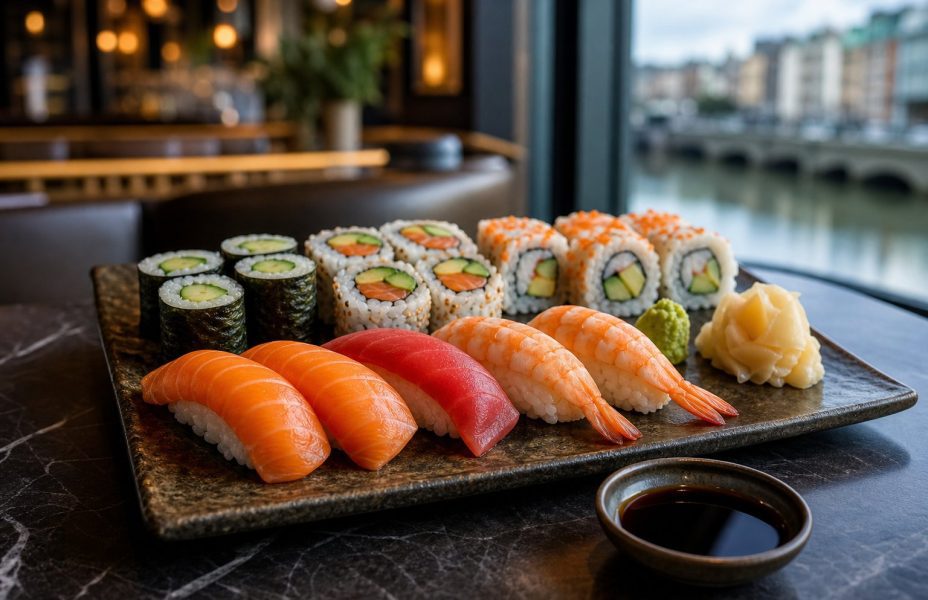
So, you’re looking to buy sushi in Dublin? Aoki Sushi Noodle Bar really brings something special to the table. We put fresh ingredients first and use skilled preparation to serve up those authentic Japanese flavours people crave.
Aoki Sushi Noodle Bar gives you a bunch of reasons to stop by:
- Fresh fish selection – We prepare high-quality seafood every day.
- Variety of options – You’ll find everything from Nigiri to Sashimi, all the classics.
- Convenient ordering – Just buy sushi online with our app or website. Easy.
- Group-friendly service – Got a party? Speak with our staff for more info about it.
The restaurant’s right in Dublin 2 at Unit 4, Richmond View South. Want to book or ask about deals? Call (01) 478 8836.
What makes Aoki different? Reviews often mention our steady service and big portions. The staff keep things friendly and actually pay attention to you, which is nice.
We keep prices fair and don’t skimp on quality. Students and tourists seem to love the affordable menu. Local deals sometimes pop up and add a bit of extra value.
Eat in or grab takeaway—the experience doesn’t really change much. Sushi and sashimi stay fresh and handled with care. The place feels cosy, whether you’re in for a quick lunch or a longer meal with friends.
Where to Buy Sushi Locally
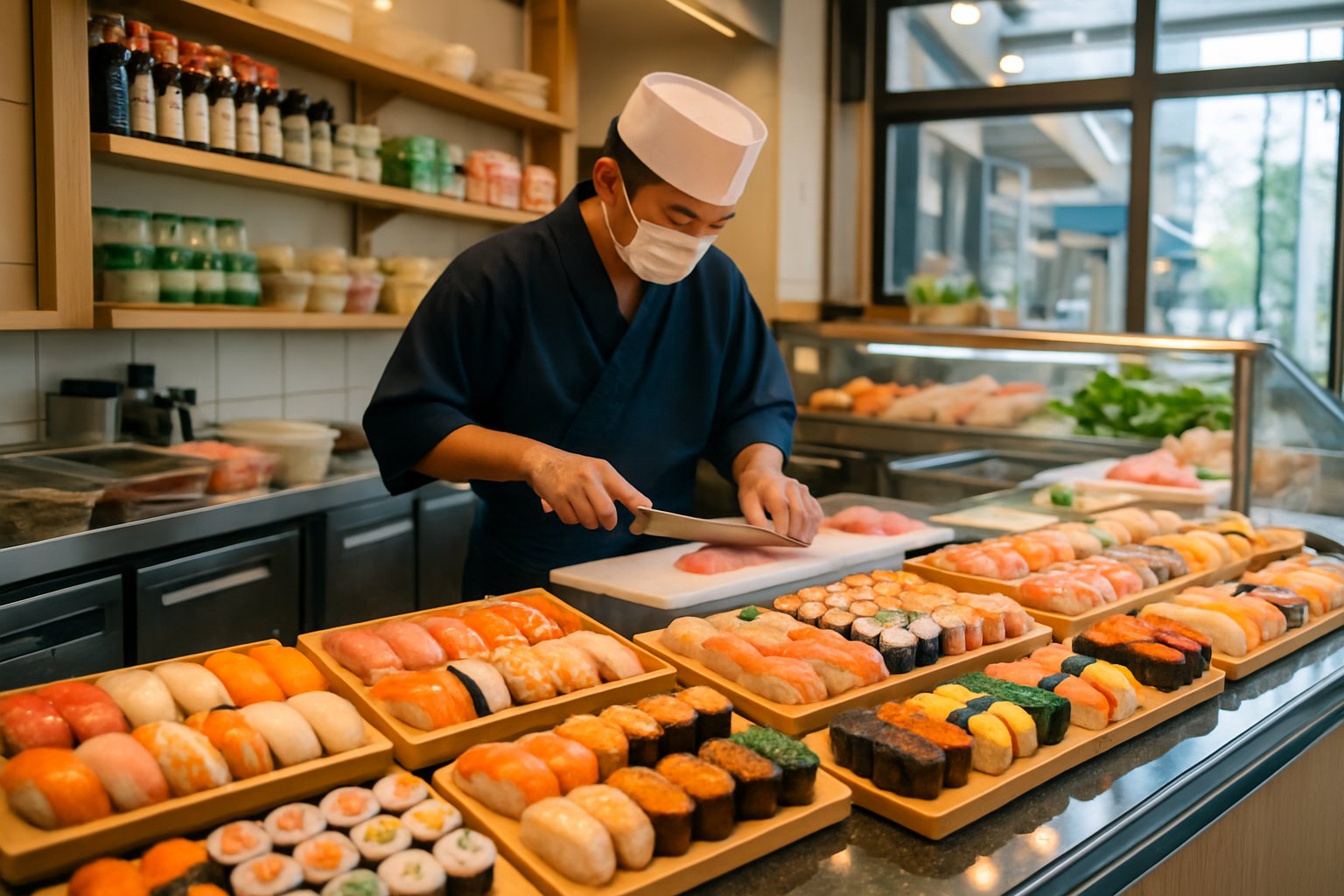
You’ll find sushi at lots of places near you. Major supermarkets and dedicated sushi shops are the obvious choices.
Most retailers keep ready-to-eat sushi in their chilled sections. Specialist stores tend to make it fresh with better ingredients.
Supermarkets and Grocery Chains
Supermarkets are a go-to for quick sushi. Tesco stocks Oishii Sushi products, made by specialists since 2006.
These packs are meant to be tasty and easy to grab. You’ll also spot sushi at Lidl stores and Applegreen service stations nationwide under the Oishii label.
Oishii supplies Dunnes Stores, SuperValu, and some Spar locations, especially around Dublin. SuperValu says sushi is best at room temperature and on the day you buy it.
Supermarket sushi is handy for lunch or a quick dinner. Packs usually come in portions around 235g, so you don’t have to guess about serving size.
High Street Food Markets
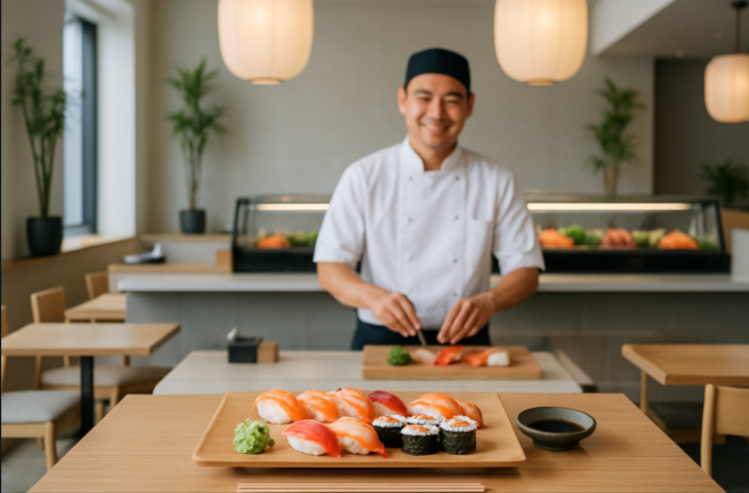
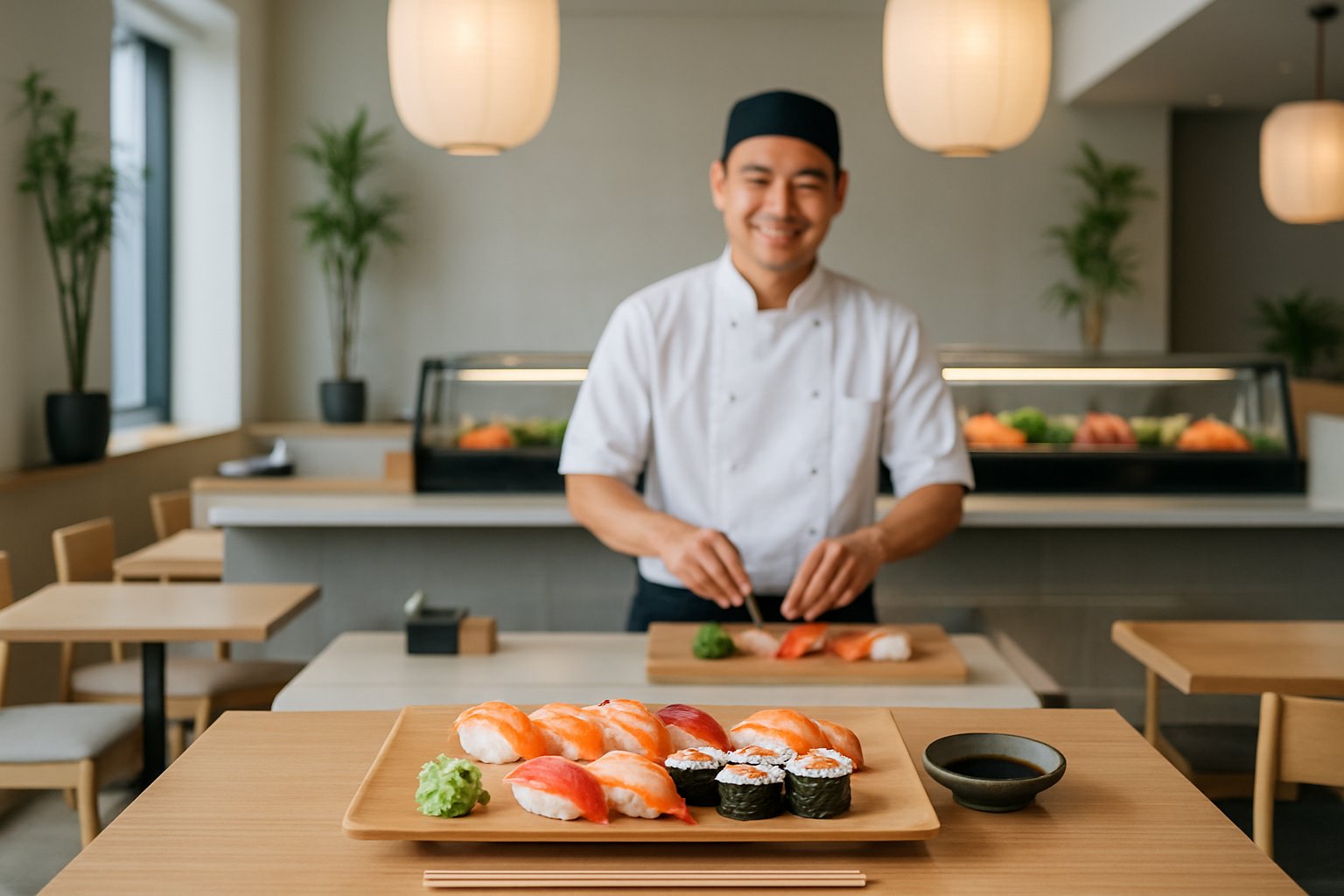
Food markets and halls usually have sushi counters where chefs make food right in front of you.
Markets often have more variety than supermarkets. You can ask for special ingredients or tweaks for allergies or preferences.
Vendors make sushi throughout the day, so it’s fresh. Ordering directly from the chef feels more personal and gives you confidence in what you’re eating.
Plus, you might stumble on new flavours or seasonal specials you’d never try otherwise.
Buying Sushi from Restaurants and Takeaways
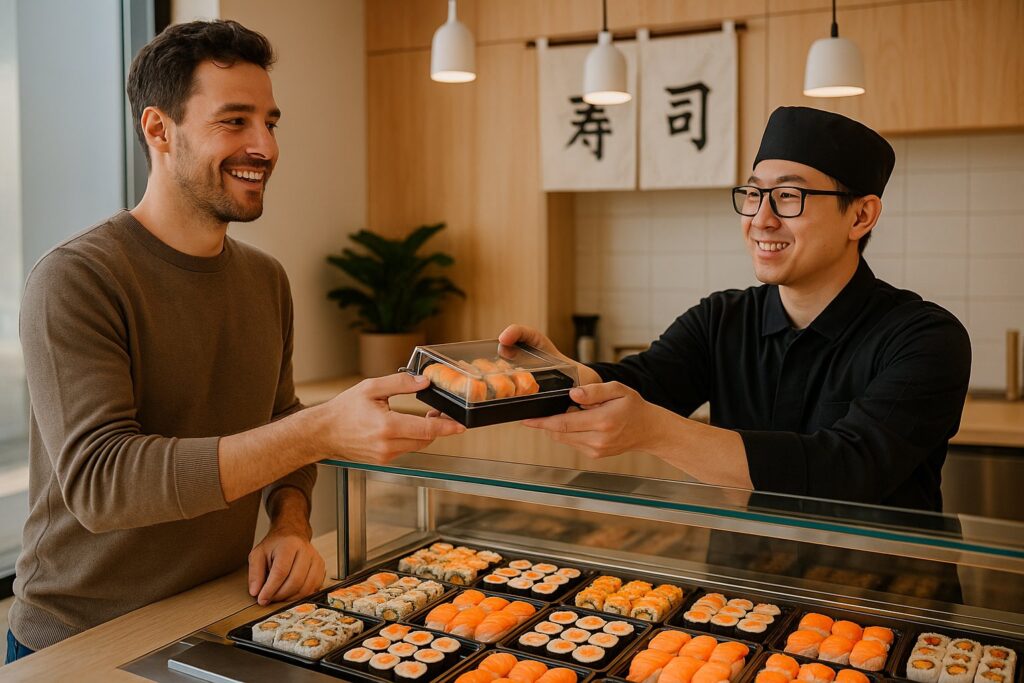
Restaurants and takeaways make it easy to get fresh sushi, whether you’re sitting in, picking up, or getting it delivered. Each way has its perks depending on what you need.
Takeaway Sushi Outlets
Takeaway spots let you grab pre-made or freshly prepared sushi without sitting down. They’re all about quick service for people on the move.
You can find sushi takeaways near you with a quick search. Many are in shopping centres or on busy streets.
Some places let you call ahead for custom orders or big platters—handy for parties. Collection usually takes 10-15 minutes if it’s not too busy.
Delivery and Online Ordering Platforms
Ordering online is straightforward and saves you a trip. You can look at menus, check prices, and read reviews before you commit.
Uber Eats connects you with local sushi spots for delivery. These apps show delivery times and let you track your food in real time.
Payment’s all online, so no need to dig out cash. Many restaurants offer direct delivery through their own websites, which can mean lower fees.
You can call restaurants directly for special requests or allergy info. Here are a few things to keep in mind for delivery:
- Check if there’s a minimum order
- Look out for delivery fees and service charges
- Double-check delivery times
- Make sure someone’s home to get the food
Sushi tastes best fresh, so try to eat it soon after it arrives.
Purchasing Sushi Online
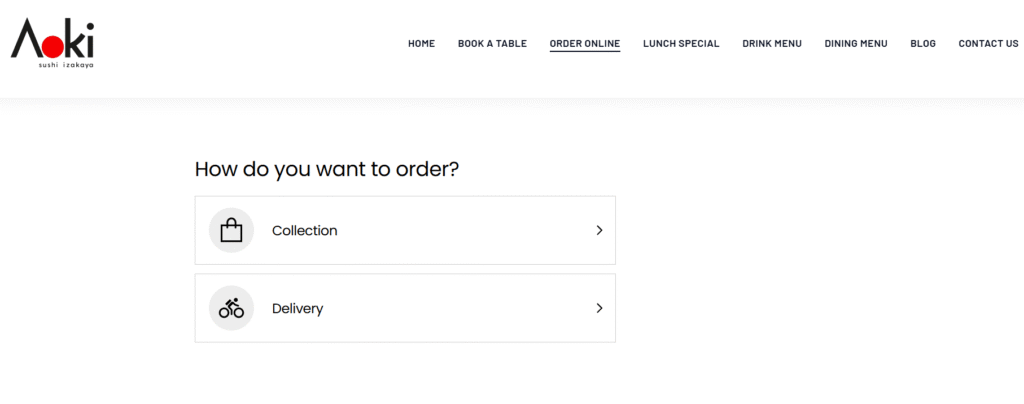
You can order from major supermarket chains that deliver, as well as our local restaurant, Aokisushinoodle. Delivery apps let you plug in your postcode to find local sushi options. Most offer collection or home delivery within a few hours.
Sushi’s best at room temperature and on the same day, so plan to eat it soon after it arrives.
Specialist Fishmongers
Some fishmongers specialise in Japanese cuisine and sell sushi-grade fish online for home chefs. They focus on the standards needed for safe raw fish.
You can find sashimi-grade salmon and other premium cuts, usually shipped chilled with clear instructions. These folks really know how to handle fish for sushi and sashimi.
They get the temperature and freshness just right, which is crucial for raw dishes.
Frozen Sushi Suppliers
Some companies deliver frozen sushi and sashimi-grade salmon straight to your house. Freezing means you can keep sushi ingredients handy and use them when you want.
Frozen options are surprisingly good for convenience and still keep ingredient quality high. Fish comes frozen solid, and you just defrost what you need.
Follow the defrosting instructions—usually, that means thawing in the fridge, not on the counter. That keeps the texture and safety just right.
Sourcing Fresh Sashimi and Ingredients
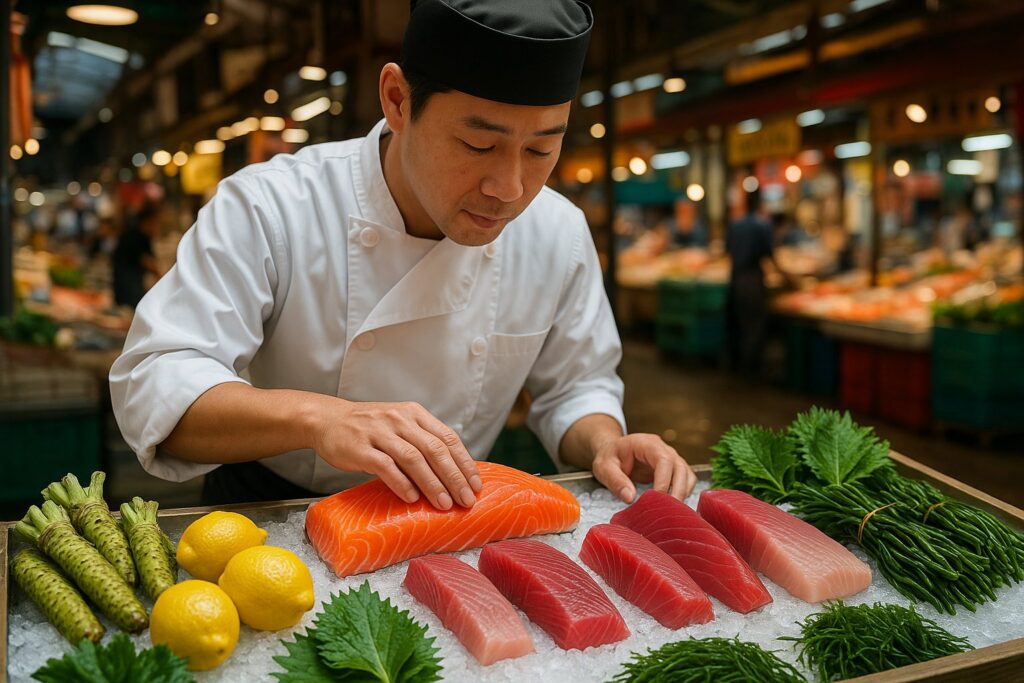
Getting good sashimi means knowing where to shop and what to ask for. The best fishmongers handle seafood properly, and specialist Japanese stores stock authentic ingredients for home sashimi prep.
Top Fishmongers for Sashimi
You’ve got to find a fishmonger who really gets what it means to eat fish raw. A good fishmonger can point out what’s freshest and safe for sashimi.
Look for fish labeled “sushi-grade” or “sashimi-grade” at specialty fish markets. Those labels suggest the fish was handled with raw consumption in mind, reducing parasite and bacteria risks.
But let’s be honest—these terms aren’t official or regulated, so trust matters. Stick to vendors with a solid reputation.
Fresh sashimi should smell clean, like the ocean, not fishy. The flesh ought to be firm and vibrant, not mushy or dull.
Many pros use flash-frozen fish since freezing kills parasites. Ask your fishmonger if their fish goes through this process.
Roy’s Fish Market on the Upper East Side has a wide selection of sushi fish. Just be ready for steep prices.
Japanese Ingredient Stores
Asian grocery stores usually have the best range of authentic Japanese ingredients at good prices. You’ll find stuff there you won’t see in regular supermarkets.
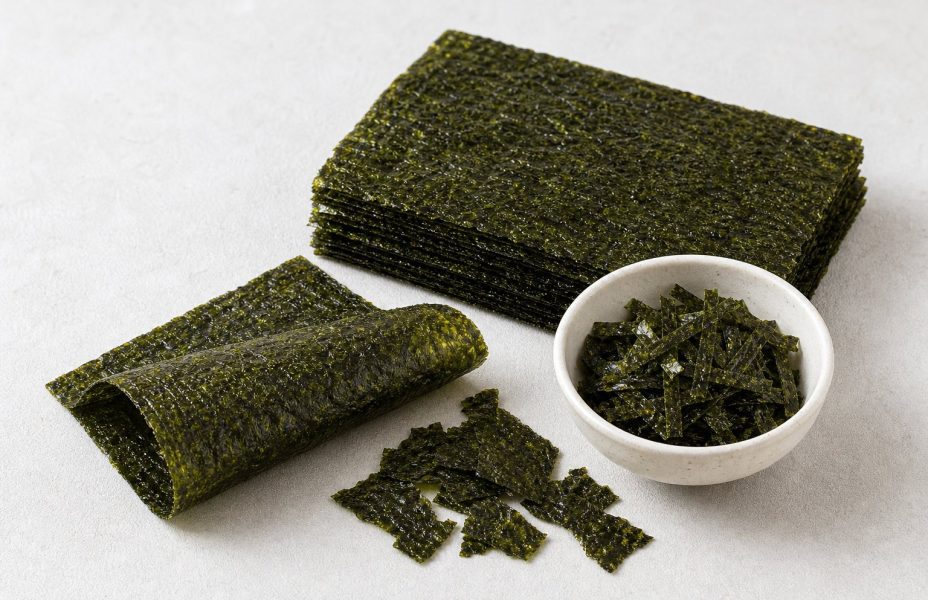
These specialty Japanese shops stock essentials like soy sauce, rice vinegar, wasabi, pickled ginger, and top-notch nori. Staff are often helpful and can recommend what works best for your needs.
If you can’t get to a physical store, online retailers come in handy. Some suppliers deliver fresh sushi ingredients right to your door, from rice to sauces and seafood.
Check reviews before buying online, though. Stick with retailers known for freshness and reliability.
Some upscale food shops carry Japanese products, but the range is usually smaller and pricier. General supermarkets are getting better, but you’ll pay more for less variety.
Sashimi vs. Sushi: What’s the Difference?
Sashimi is just thinly sliced raw fish or seafood, served without rice. The focus is all on the seafood’s quality and flavor.
Usually, you’ll see it with soy sauce, wasabi, and maybe some shredded daikon radish. Sushi, on the other hand, always uses vinegared rice mixed with various ingredients.
That could mean raw fish, cooked seafood, veggies, or even egg. The rice is what makes something “sushi” and not sashimi.
Popular sushi types include nigiri (hand-pressed rice with fish), maki (rolled in seaweed), and temaki (hand rolls). Sashimi skips the rice and rolling, so it’s simpler to serve but demands the best seafood—there’s nothing to hide behind.
For ingredients, sashimi just needs top-quality raw fish and simple sides. Sushi requires short-grain rice, vinegar, nori, and more fillings.
Choosing the Best Sushi for Your Needs
When buying sushi, you’ve got to think about your dietary needs, spot signs of freshness, and pick places that take food safety seriously.
Dietary Options and Preferences
There’s a sushi option for almost everyone. Vegetarian and vegan sushi swaps fish for cucumber, avocado, mushrooms, or tofu.
These plant-based rolls can be just as satisfying as the fishy ones. If raw fish makes you nervous, try cooked options.
California rolls use cooked crab or imitation crab. Tempura rolls have fried veggies or prawns. Eel rolls are made with cooked freshwater eel and a sweet glaze.
Watch out for sodium—some rolls pack a lot, thanks to soy sauce and processed stuff. Simpler rolls with fresh fish and veggies tend to have better nutrition.
If you want fewer carbs, sashimi is a good pick. It’s all protein, no rice.
Budget matters too. Grocery stores often sell affordable pre-packed rolls. Restaurants sometimes have lunch specials or happy hour deals that make sushi more accessible.
Quality and Freshness Indicators
Good sushi is easy to spot if you know what to look for. The rice should be glossy and slightly sticky, not dry or hard.
Fish needs to look bright and moist, never brown or dull. Avocado should be green, not brown or oxidized.
Smell is a big clue. Fresh sushi smells clean and ocean-like. If it smells strongly fishy, it’s past its best.
Always check the packaging date on store-bought sushi. Don’t buy anything older than a day.
Grocery store sushi quality can really vary. Shops with chefs making rolls throughout the day usually have fresher stuff than pre-packaged options.
At restaurants, you can often watch the chef prepare your sushi. Don’t be shy—ask about the day’s freshest catches.
Selecting Safe and Trusted Sources
Pick places that keep things clean. Look for prep areas that are tidy, staff in gloves, and good refrigeration.
Restaurants should display their health inspection ratings. Reputable spots follow strict temperature rules and handle fish properly to kill parasites.
Make sure your fish is certified sushi-grade. Food trucks can be fine, but check reviews and confirm they meet health standards.
If you order online, make sure the restaurant uses insulated packaging and delivers quickly.
Busy places usually have faster stock turnover, so the fish is fresher. Ask staff when new shipments come in if you want the best timing.
Contact and Support When Buying Sushi
It’s helpful to have reliable contact info and support when you buy sushi. That way, you can sort out ingredient questions, delivery issues, or other problems fast.
Resolving Order Issues
If there’s a problem with your sushi order, reach out to the restaurant or shop right away. Missing items, wrong orders, or quality issues happen—most places want to fix things fast to keep you happy.
For deliveries, check your order as soon as it arrives. If something’s off, snap a photo and contact the restaurant immediately. Most will offer a replacement or refund if your complaint is legit.
With grocery store sushi, bring your receipt and the product to the customer service desk. Time matters—don’t wait to report issues with fresh sushi.
Feedback and Follow-up
Leaving feedback helps sushi places improve. Post reviews on delivery apps, Google, or social media.
Share thoughts about food quality, service, or packaging—it helps others decide where to eat. Restaurants sometimes send follow-up emails or texts asking about your experience.
Those surveys only take a minute and go straight to management. If you had a great experience, leaving a review supports local businesses and helps them grow.