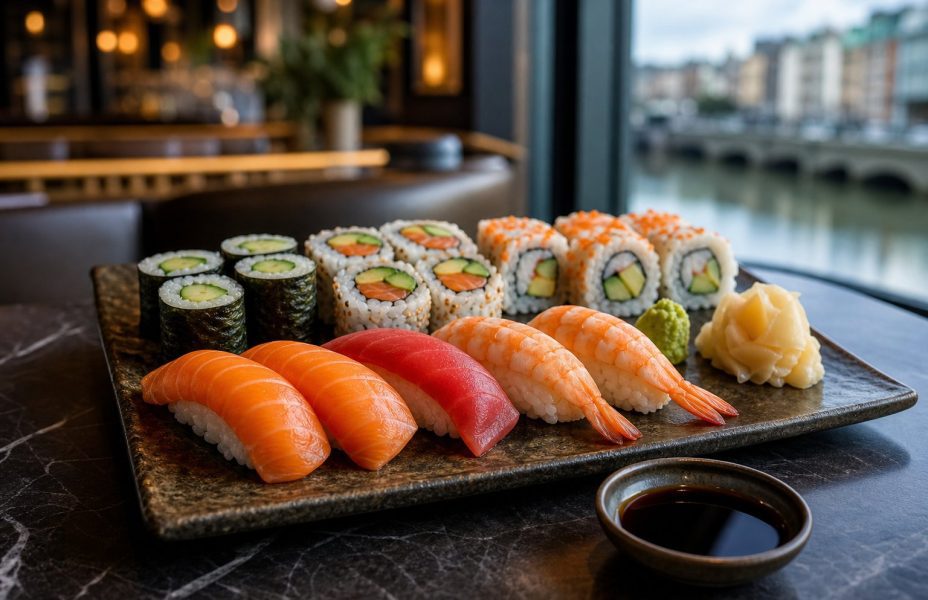
If you love sushi and you’re trying to lose weight, here’s some good news: you don’t have to give it up. Sushi can fit into a diet, but what really matters is the type of sushi you choose and how it’s made.
The trick is to know which rolls to order and pay attention to the ingredients. Not every sushi option is created equal for weight loss.
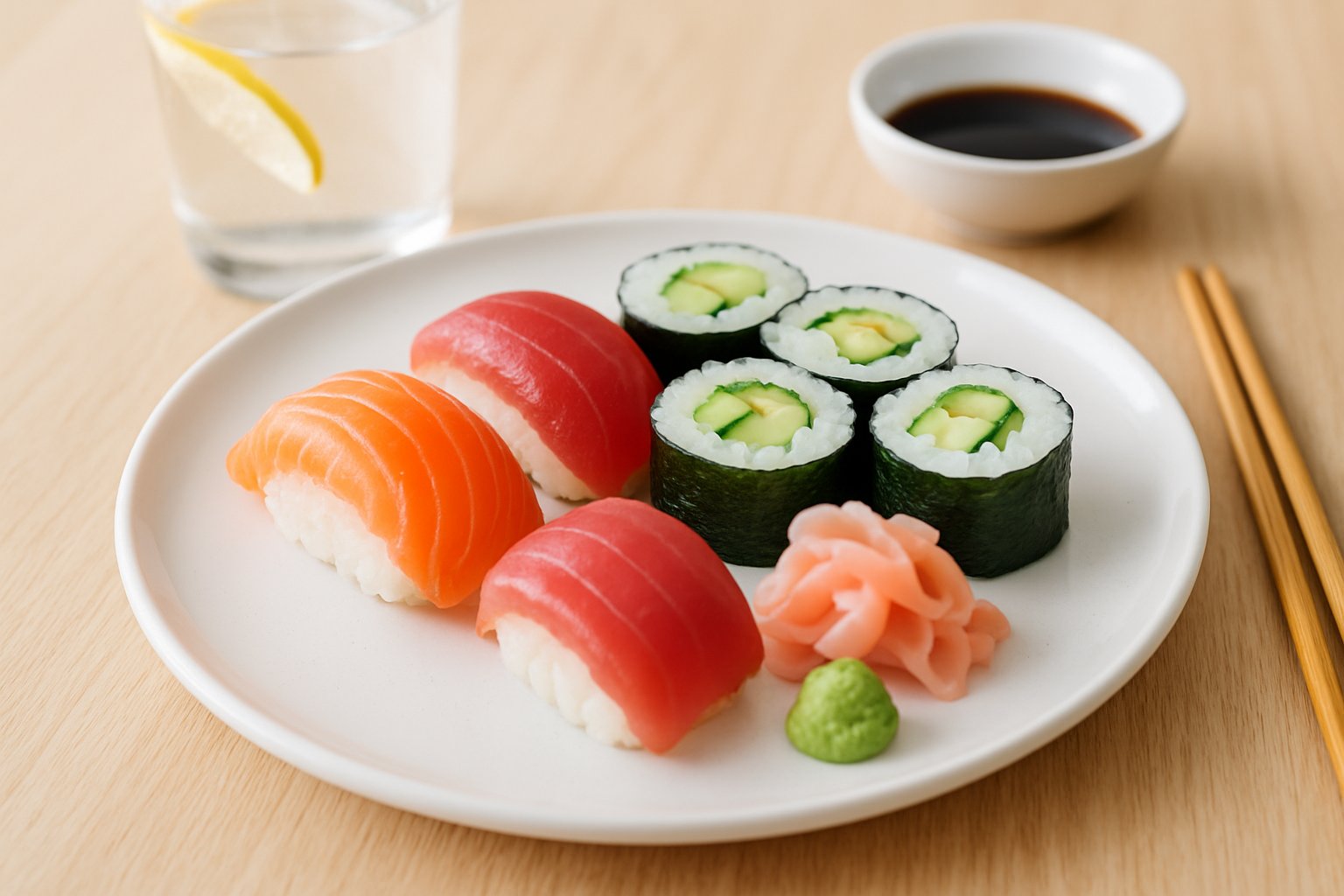
Sushi usually pairs lean fish with veggies, so it’s often lower in calories than a lot of other restaurant meals. But let’s be honest—those fried tempura rolls, cream cheese-filled Philadelphia rolls, and sweet sauces can turn a healthy dish into a sneaky calorie bomb.
The details matter when you’re picking sushi for weight loss. Knowing which types help your goals (and which ones don’t) really makes a difference.
Key Takeaways
- Sushi can support weight loss if you go for raw or steamed ingredients instead of fried ones.
- The best picks: veggie rolls, salmon cucumber rolls, and sashimi with less rice.
- Skip tempura, creamy sauces, and big piles of rice to keep sushi in your diet plan.
Understanding Sushi and Weight Loss
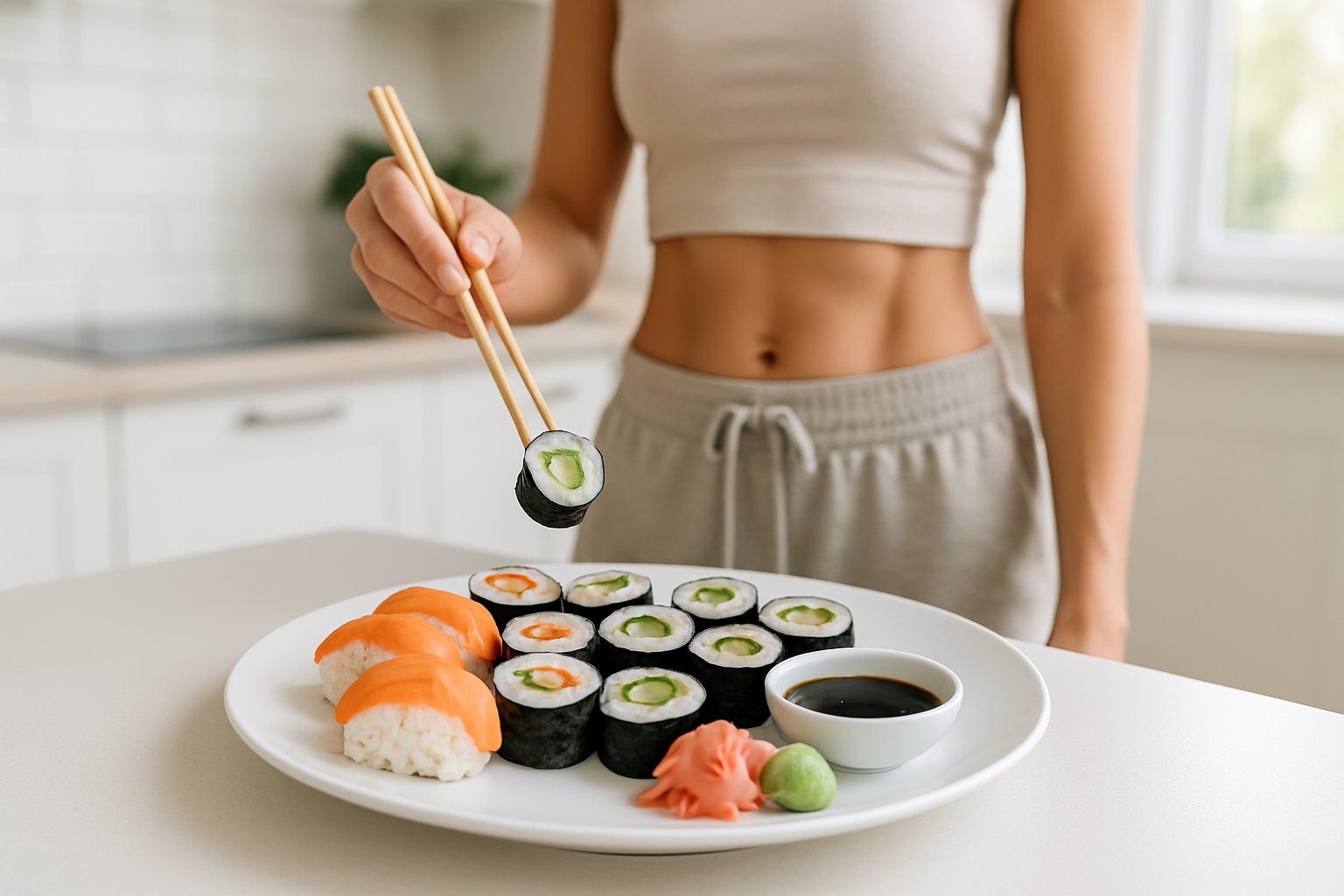
Sushi can fit into a weight loss plan if you know what’s in it and keep an eye on portions. Picking the right rolls and skipping high-calorie extras is key.
How Sushi Fits Into a Weight Loss Plan
Sushi works for weight loss because it mixes lean protein and veggies in small, manageable portions. Fish like tuna, salmon, and mackerel give you protein without carbs, which is great for cutting calories.
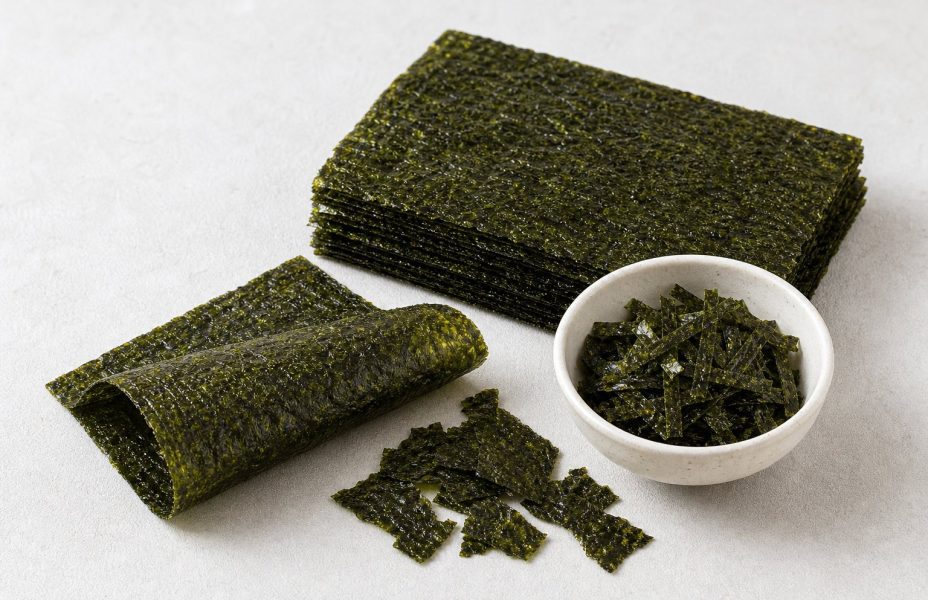
The seaweed wrapper adds minerals and fiber but barely any calories. Veggies like cucumber, avocado, and carrot boost nutrition without making it heavy.
But the ingredients you pick matter a lot. Raw or steamed sushi helps your diet more than fried stuff ever could.
Rice is the big one to watch. White sushi rice has added sugar and vinegar, so it’s got more calories than you’d think. Brown rice gives you more fiber and can help you stay full longer.
Here’s a tip: eat veggies before you go for rice-heavy rolls. That can help keep your blood sugar steady and help you feel satisfied with less.
Nutritional Profile of Common Sushi Types
Best Options for Weight Loss:
- Salmon or tuna rolls with veggies
- Rainbow rolls
- California rolls
- Avocado rolls
- Vegetarian sushi rolls
Higher Calorie Options to Limit:
- Philadelphia rolls (cream cheese)
- Tempura rolls (deep fried)
- Rolls with lots of sauces
A typical salmon roll lands around 200-250 calories for six pieces. Veggie rolls usually have even fewer calories than meat-based ones.
Sashimi is the lowest-calorie option since it’s just fish—no rice—and it’s packed with protein and healthy fats.
Condiments can make a difference, too. Wasabi and pickled ginger barely add calories. Soy sauce has a lot of sodium but not many calories, while teriyaki and spicy mayo can sneak in a lot of sugar and fat.
Role of Portion Control in Sushi Consumption
Experts recommend six to eight pieces per meal if you’re watching your weight. That’s enough protein without overdoing the rice.
Restaurants often serve bigger portions than you need. Try sharing rolls or ordering less to stick to your calorie goals.
Portion Control Strategies:
- Order single pieces instead of whole rolls
- Pick sashimi to skip the rice altogether
- Ask for brown rice if they have it
- Request sauces on the side
Some places use way more rice than others. Rolls with thick rice layers have more calories than those with just a thin layer.
Take your time eating. Sushi’s small bites can help you eat mindfully, as long as you don’t rush.
Starting with a salad before sushi can help you eat less overall. Veggies first can fill you up before you get to the rice.
Benefits of Sushi for Weight Management
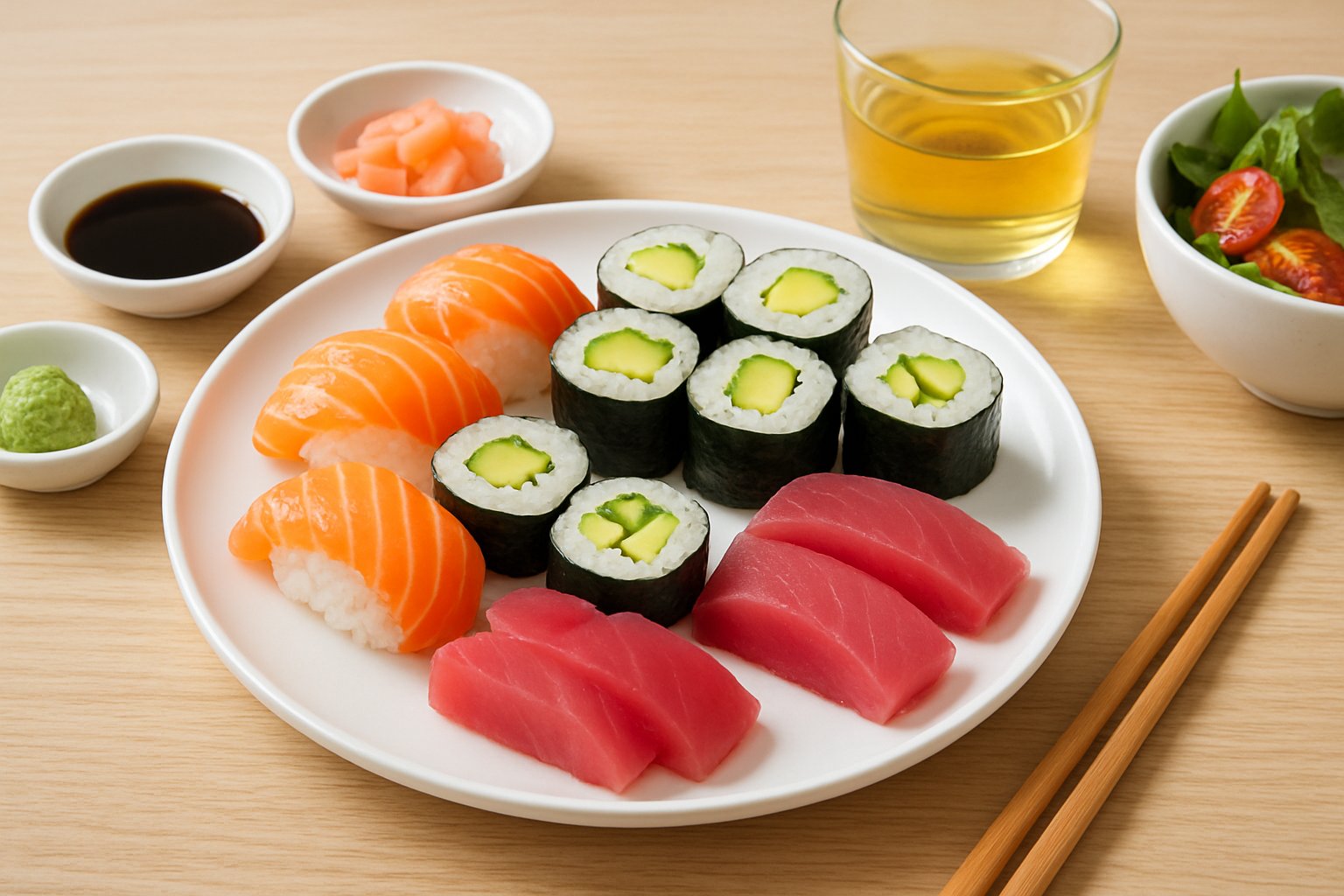
Sushi has a lot going for it if you’re trying to lose weight. You get high-quality protein from fish, healthy omega-3 fats, and nutrient-rich extras like seaweed. All of this helps you feel full and gives your body what it needs, without piling on too many calories.
High Protein and Lean Fish Options
Fish in sushi is a top-notch source of lean protein, which is great for your metabolism. The body uses more energy to digest protein than it does carbs or fat.
Tuna and salmon, two sushi favorites, are loaded with protein. A piece of salmon nigiri has about 5-6 grams of protein and barely any saturated fat.
Lean fish options for weight loss include:
- Tuna (yellowtail and bluefin)
- Sea bass
- Halibut
- Snapper
If you want max protein and fewer carbs, go for sashimi—just fish, no rice. Choosing these can make sushi a smart diet food.
Protein keeps you full longer, which can help you eat less throughout the day.
Omega-3 Fatty Acids and Healthy Fats
Fatty fish, like the ones often found in sushi, are rich in omega-3s—especially EPA and DHA. These good fats help with inflammation and may support your weight loss.
Salmon, mackerel, and tuna are some of the best sources. Omega-3s help regulate hunger hormones and metabolism—pretty handy, right?
Omega-3 benefits for weight management:
- Less inflammation
- Better insulin sensitivity
- Improved appetite control
- May help burn fat
Fish is loaded with omega-3s, which are crucial for body and brain health. The anti-inflammatory effect might help your body process food more efficiently.
Eating omega-3s regularly can help you keep weight off in the long run. They’re also good for your heart, which is a nice bonus.
Nutrient-Dense Ingredients in Sushi
Sushi isn’t just about fish—other ingredients bring plenty of nutrients, too. Nori (the seaweed) wraps up minerals and vitamins with almost no calories.
Seaweed gives you iodine for your thyroid, plus calcium, magnesium, and iron—stuff your body needs, especially if you’re losing weight.
Key nutrients in sushi ingredients:
| Ingredient | Primary Nutrients | Weight Loss Benefit |
|---|---|---|
| Nori | Iodine, calcium, iron | Supports metabolism |
| Cucumber | Water, fibre | Adds volume, few calories |
| Avocado | Healthy fats, fibre | Increases satiety |
| Ginger | Antioxidants | May boost metabolism |
Seaweed packs a lot of nutrients, like vitamins A, C, and E. Amazingly, almost half its dry weight is protein—on par with some high-protein plants.
So, with all these nutrient-rich ingredients, sushi can deliver vitamins and minerals you need, while still helping you stay in a calorie deficit for weight loss.
Potential Drawbacks of Sushi When Dieting
Even though sushi can work in a diet, there are some pitfalls. Hidden calories, lots of refined carbs, high sodium, and oversized portions can make sushi less diet-friendly than you’d think.
Calorie Content and Hidden Calories
Some sushi rolls have way more calories than you might expect. A spicy tuna roll might have 290-350 calories, and tempura rolls can go over 500 because of the frying.
High-Calorie Sushi Types:
- Tempura rolls: 400-600 calories
- Philadelphia rolls: 320-400 calories
- Dragon rolls: 350-450 calories
- Volcano rolls: 450-550 calories
The rice alone is pretty calorie-dense. Each piece of nigiri clocks in around 70 calories, and about half of that comes from the rice.
Add-ins like cream cheese, mayo, and fried bits can double or triple the calories compared to traditional rolls. Sneaky, right?
White Rice Versus Brown Rice
Most sushi uses white rice, which isn’t great for weight loss. White rice is a refined carb that spikes blood sugar if you eat a lot of it.
It digests fast, so you might get hungry again sooner and end up overeating later.
Brown rice gives you more fiber and protein, but most sushi spots stick with white rice.
Key differences per 100g:
- White rice: 130 calories, 0.4g fiber
- Brown rice: 112 calories, 1.8g fiber
Sushi rice usually has sugar and vinegar mixed in, which bumps up the calorie count even more. Traditional prep often relies on this combo for flavor, but it’s not always the best for your diet.
Sodium and Sauces
Sushi contains high salt content from multiple sources. This can hinder weight loss through water retention and bloating.
Primary sodium sources:
- Soy sauce (1 tablespoon = 879mg sodium)
- Pickled ginger
- Miso soup
- Wasabi
- Fish preparation methods
Low-sodium soy sauce cuts sodium by about 25%. Still, most folks pour on more than a tablespoon, which kind of ruins the benefit.
Extra sodium can hide weight loss progress on the scale. Water retention from salty foods sometimes shows up as a temporary gain even if you’re losing fat.
Pickled ginger and wasabi don’t add many calories. But they do bump up your sodium intake a bit more.
Mindful Eating to Prevent Overeating
Sushi’s bite-sized pieces make it easy to eat more than you realize. Each piece looks small, so portion control can get tricky.
Portion control strategies:
- Order a specific number of pieces instead of whole rolls
- Start with miso soup to help you feel fuller
- Pick sashimi to cut down on rice
- Limit yourself to one specialty roll per meal
Sushi meals with friends usually last longer, which can lead to eating more overall. Mindful eating helps you notice when you’re actually full before you overdo it.
Rice-heavy rolls often come with 6-8 pieces per order. That’s about 2-3 cups of cooked rice—way more than most weight loss plans recommend.
Healthiest Sushi Options for Losing Weight
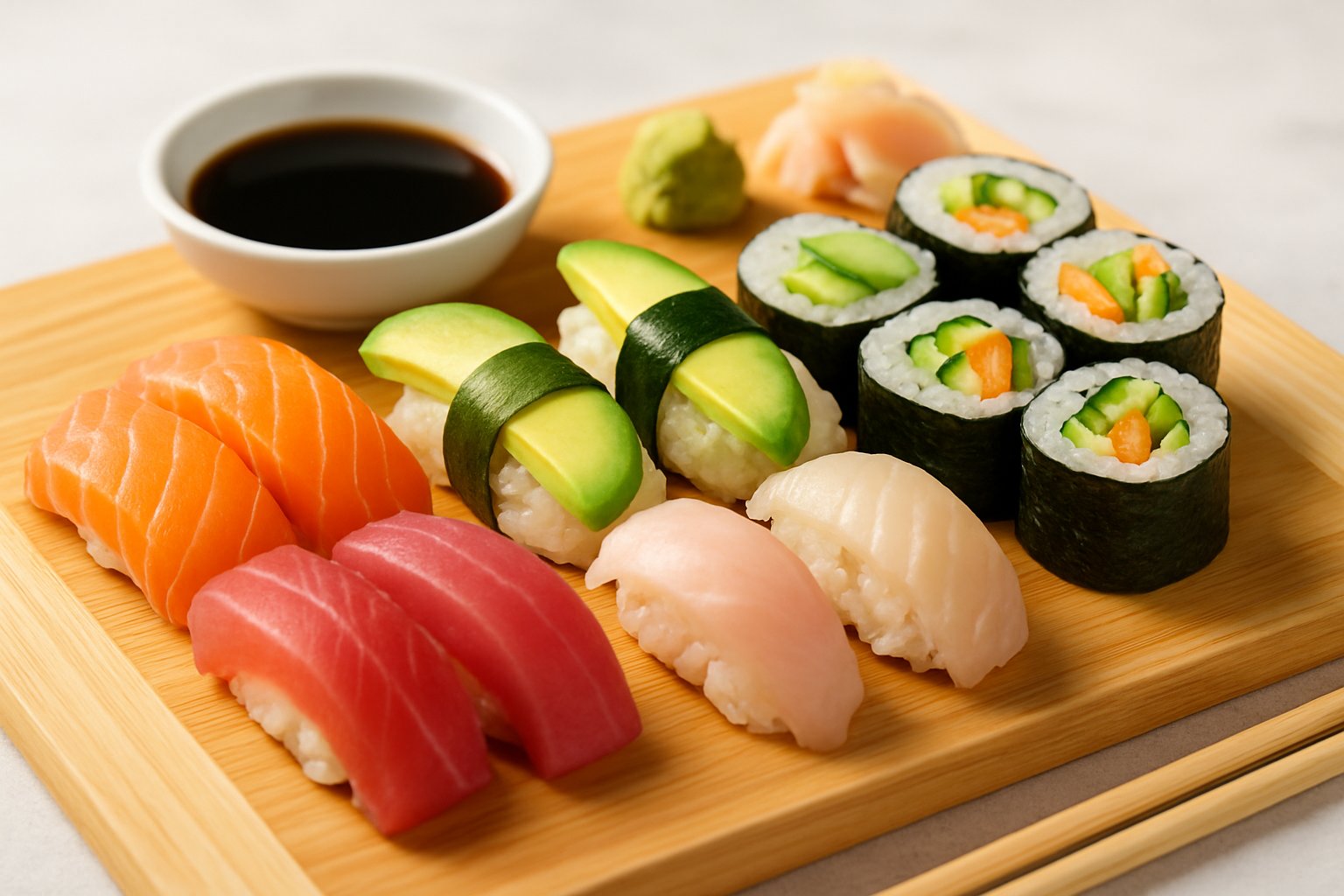
The best sushi picks for weight loss focus on lean protein and veggies. Try to minimize rice and skip high-calorie extras. Simple options like sashimi and veggie rolls give you the most nutrition for fewer calories.
Sashimi and Nigiri
Sashimi is probably the top choice if you’re watching your weight. It’s just pure fish—no rice—so you get protein and omega-3s without many calories.
Salmon, tuna, and mackerel are popular sashimi picks. Each piece usually has 20-40 calories, depending on the fish.
Nigiri is a nice middle ground with a little rice and a slice of fish on top. One piece of salmon nigiri has about 50-70 calories.
Protein in both sashimi and nigiri helps you stay full longer. That’s always a plus when you’re trying to eat less.
Choosing sashimi over regular rolls skips the extra carbs from rice but keeps the good stuff like omega-3s. Those healthy fats can even support your metabolism.
Vegetarian and Vegetable Sushi
Vegetarian sushi is great for weight loss, thanks to low-calorie veggies and plant-based protein.
Popular vegetable options:
- Avocado roll – Healthy fats for satiety
- Cucumber roll – Very low calorie and high in water
- Tofu roll – Plant protein, fewer calories than fish
Lots of places offer specialty vegetable rolls. Sweet potato, carrot, and radish rolls add vitamins and keep calories down.
Veggie rolls usually have 150-200 calories for six pieces. Compare that to 300+ calories for some specialty rolls.
The fiber in veggies helps with digestion and makes you feel full. That’s honestly a big help for portion control.
Low-Calorie Sushi Rolls
You can still enjoy traditional rolls if you pick wisely. Some options balance flavor with calorie control.
Best low-calorie roll options:
- California roll – Crab, avocado, cucumber
- Salmon cucumber roll – Lean protein, simple ingredients
- Rainbow roll – Sashimi on top of a cucumber roll
Healthier rolls like these usually run 200-250 calories for six pieces. They give you protein and skip most of the heavy extras.
Skip rolls with mayo-based sauces, cream cheese, or anything tempura. Those ingredients can double the calories in an otherwise good roll.
Stick with rolls that use fresh fish, veggies, and light sauces. Ask for sauces on the side so you’re in control.
Popular Sushi Selections: What to Choose and Avoid
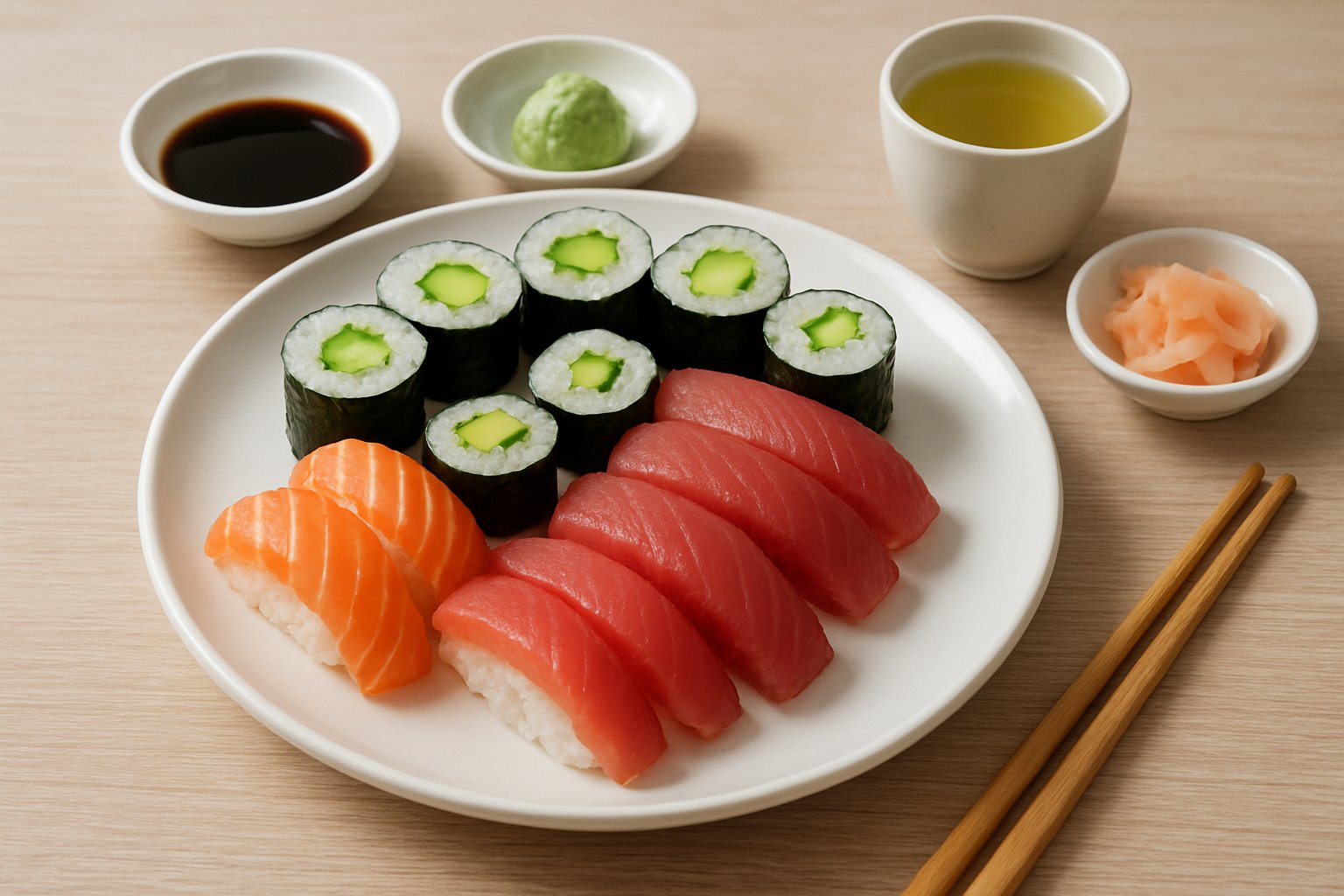
Sushi calories really depend on how it’s made and what goes in it. Simple rolls and lean proteins are your best bet if you’re trying to manage your weight. Fried stuff and heavy sauces? Not so much.
Traditional Sushi Choices
Traditional sushi offers the most weight-friendly options. Sashimi is just raw fish, no rice, and clocks in at 40-60 calories per piece.
Salmon nigiri and tuna nigiri give you lean protein and just a little rice. Each piece has about 70-90 calories. The fish keeps you feeling satisfied.
Best Traditional Options:
- Sashimi – Pure fish, no rice
- Salmon nigiri – Lean fish, small rice portion
- Tuna nigiri – High protein, not many calories
- Cucumber rolls – Veggies and rice
Maki rolls with one main ingredient help with portion control. A cucumber roll is about 136 calories for six pieces. Salmon or tuna maki offers protein but keeps calories reasonable.
Higher-Calorie Rolls to Limit
Some sushi rolls pack in fried ingredients and heavy sauces that really bump up the calories. These can go over 500 calories per serving, which is a lot for one roll.
Tempura rolls are battered and fried. California rolls might sound healthy, but they often have mayo-based sauces that add extra calories. One california roll can hit 200-300 calories.
Rolls to Limit:
- Tempura roll – Fried prawns or veggies
- Spicy tuna roll – Mayo-heavy sauce
- Dragon roll – Lots of sauces and fried bits
- Rainbow roll – Large portion size
The spicy tuna roll’s mayo-based sauce can double the calories compared to plain tuna. Philadelphia rolls with cream cheese add saturated fat and calories but not much nutrition.
Ingredient Variations and Customisations
Most sushi places are happy to make adjustments for healthier eating. Brown rice instead of white adds fiber and nutrients, though the calorie count is pretty similar.
Cucumber wraps—sometimes called “naruto” style—swap out rice completely. That change alone can cut 100-150 calories per roll. Adding extra veggies like avocado brings healthy fat, but also bumps up the calories a bit.
Smart Customisations:
- Brown rice instead of white
- Cucumber wraps (naruto style)
- Light sauce or sauce on the side
- Extra veggies
Ordering sauces on the side gives you more control. Some specialty rolls have two or three sauces that can sneak in another 100-200 calories.
Vegetarian rolls and lean proteins can be bulked up with extra veggies for more volume and not too many extra calories. Sweet potato tempura is a lighter swap for prawn tempura in veggie rolls.
Making Sushi Part of a Balanced Diet
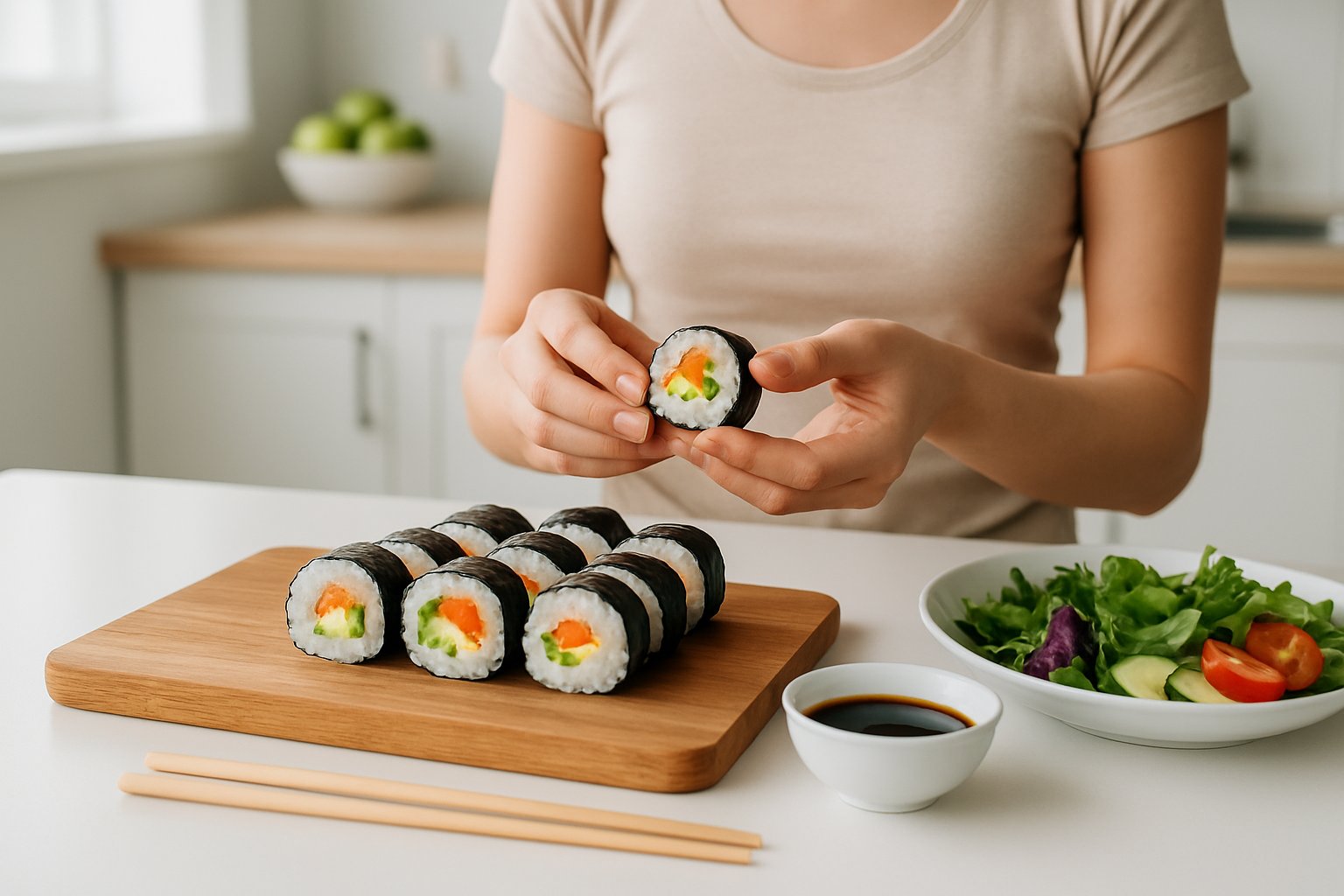
Working sushi into a balanced diet takes some smart choices and paying attention to what you’re eating. Picking the right types, watching portions, and pairing sushi with other healthy foods makes all the difference.
Combining Sushi with Other Healthy Foods
Sushi goes best with other nutrient-dense foods. You need more variety than just fish and rice for a truly healthy meal.
Starting off with miso soup gives you extra protein and probiotics. It also helps fill you up with hardly any calories.
Edamame makes a great side. These young soybeans bring fiber and plant protein to the table.
A small seaweed salad adds vitamins and minerals. It’s also low in calories and balances out the rice-heavy rolls.
For lunch or dinner, try pairing sushi with:
- Steamed veggies like broccoli or asparagus
- A small green salad with a light dressing
- Fresh fruit for dessert instead of something sugary
This way, you get a full range of nutrients. It also helps you avoid eating too much sushi rice.
Tips for Mindful Ordering
Ordering smart is what keeps sushi healthy. Portion control really matters if you’re watching your weight.
Start with sashimi or nigiri instead of loading up on big rolls. You’ll get more fish and less rice that way.
Skip tempura or fried items altogether. Fried stuff can easily triple the calories in a roll.
Ask for sauces on the side so you decide how much goes on. Most specialty sauces have mayo or sugar—sneaky calorie bombs.
| Better Choices | Avoid |
|---|---|
| Salmon roll | Spider roll (fried) |
| Tuna nigiri | Rainbow roll with sauce |
| Cucumber roll | Philadelphia roll |
| Sashimi | Tempura anything |
Limit yourself to 2-3 rolls or 6-8 pieces of nigiri per meal. That’s usually enough protein and carbs without going overboard on calories.
Building a Balanced Sushi Meal
A balanced sushi meal brings together protein, carbs, and healthy fats while keeping calories in check. The trick is picking wisely and not overdoing it.
Start with a clear soup like miso or vegetable broth. This can help you feel a bit fuller before diving into the main course.
Pick one protein-rich option such as salmon or tuna sashimi. These fish give you omega-3s and solid protein for your muscles.
Add a veggie roll—maybe cucumber or avocado. You get fibre and nutrients without piling on calories.
Throw in edamame or seaweed salad as a side. These boost your meal’s vitamins and minerals quite a bit.
- Starter: Miso soup or edamame (50-100 calories)
- Main: 6 pieces sashimi + 1 simple roll (300-400 calories)
- Side: Seaweed salad or pickled veggies (30-50 calories)
Frequently Asked Questions
People often ask which sushi works best for weight loss, and how often they can enjoy it. The smart picks are lean proteins, veggie fillings, and skipping fried stuff or heavy sauces.
What are the best types of sushi to eat for weight loss?
Salmon or tuna rolls give you lean protein and those healthy omega-3s. They help you stay full without too many calories.
Avocado rolls bring in healthy fats and fibre. Rainbow rolls mix up lean fish and veggies for a nice nutritional balance.
Vegetarian rolls with cucumber, carrot, or other fresh veggies are some of the lowest-calorie picks. Sashimi is probably the healthiest since it’s just sliced fish—no rice.
California rolls can work if you skip the mayo-heavy sauces. The crab and avocado combo gives you protein and good fats.
How does the calorie content of sushi impact a weight loss diet?
Sushi tends to be pretty light on calories—if you choose carefully. Most classic rolls are around 200-300 calories per serving.
Losing weight means keeping a calorie deficit, burning more than you eat. Sushi fits into that if you watch your portions.
The rice is where calories sneak in. A serving of sushi rice clocks in at about 150-200 calories, even before you add anything else.
Simple stuff like nigiri usually has fewer calories than those wild specialty rolls. Two pieces of salmon nigiri? About 140-160 calories.
Are there any sushi ingredients to avoid when trying to lose weight?
Tempura—anything fried—really bumps up the calories. Tempura prawns or veggies can tack on 200-400 extra calories to a roll.
Creamy sauces like spicy mayo or sriracha are loaded with fat and calories. They can double a roll’s calorie count.
Cream cheese in Philadelphia rolls adds a lot of saturated fat and calories. Just a tablespoon is about 100 calories.
Deep-fried rolls like spider rolls are calorie bombs compared to fresh ones. Some can hit 400-600 calories per roll.
Too many sauces or fried toppings? Not a great idea. Specialty rolls with all the extras often go over 500-700 calories.
Can sushi be a part of a balanced diet during weight reduction?
Sushi can totally fit into a balanced diet if you eat it mindfully and don’t go overboard. It’s got lean protein, healthy fat, and some complex carbs.
The fish gives you high-quality protein, which helps keep muscle while losing weight. Protein also takes more energy to digest, which can help your metabolism along.
Seaweed is packed with minerals like iodine, calcium, and magnesium. Those are good for your thyroid and bones when you’re eating fewer calories.
Protein plus carbs in sushi helps keep your blood sugar steady. That can help prevent those annoying energy crashes that lead to overeating.
Eating sushi once or twice a week keeps things interesting and can still work for weight loss. Just make sure to mix in plenty of veggies and other lean proteins.
What are the healthiest sushi options for maintaining a low-calorie intake?
Sashimi is your lowest-calorie bet. Six pieces of salmon sashimi? Roughly 200 calories.
Cucumber rolls are super light, plus you get hydration and fibre. They’re usually about 120-150 calories a roll.
Tuna or salmon nigiri gives you protein without a ton of rice. Two pieces will be around 120-160 calories, depending on the fish.
Hand rolls (temaki) usually have less rice than regular rolls. They’re easier to control for calories, too.
If you can get brown rice, go for it. It packs more fibre and nutrients than white rice, which helps you feel fuller longer.
How often can one enjoy sushi without compromising weight loss goals?
Eating sushi 1-2 times per week fits well into most weight loss plans if you stick with healthier options. That’s usually enough to get your fix without messing up your progress.
Eating sushi every day? That might be pushing it. You’d end up with too much sodium and a lot of refined carbs.
High sodium content from soy sauce can make your body hang onto water. It’s not the end of the world, but it’s something to watch for.
Portion control really matters, no matter how often you eat sushi. Try to keep it to 2-3 rolls or maybe 8-10 pieces per meal.
If you plan your sushi meals ahead, you can adjust what else you eat that day. Sometimes it’s worth cutting back a bit earlier so you can enjoy sushi later.
Some folks with faster metabolisms or who move around a lot can probably eat sushi more often. Calorie needs change with age, gender, and how active you are, so there’s no one-size-fits-all answer.