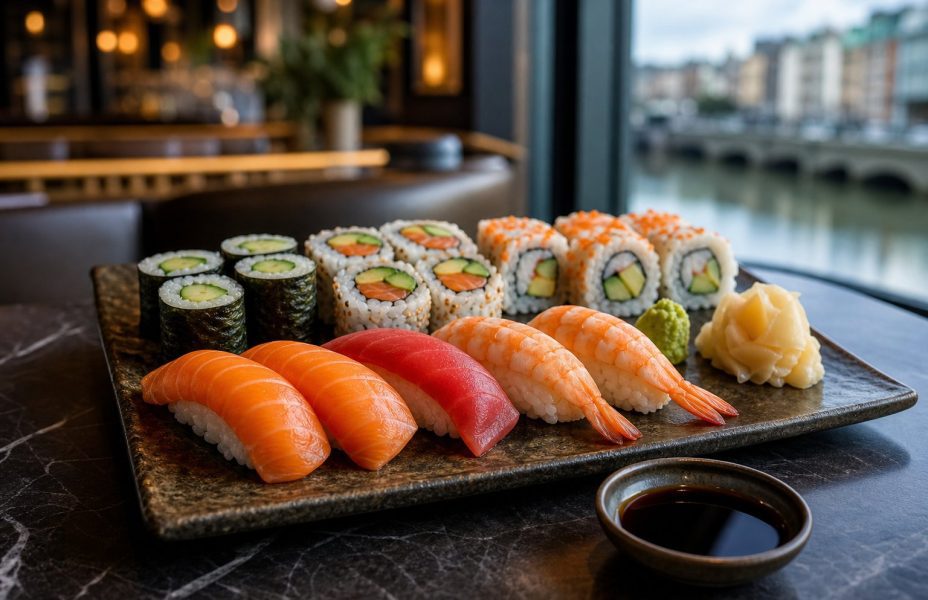
When we think about sushi, we often hear the term “maki” thrown around, but what does it actually mean?
In Japanese, “maki” simply means “to roll,” making maki sushi literally “rolled sushi” – any type of sushi where vinegared rice and fillings are rolled together in seaweed.
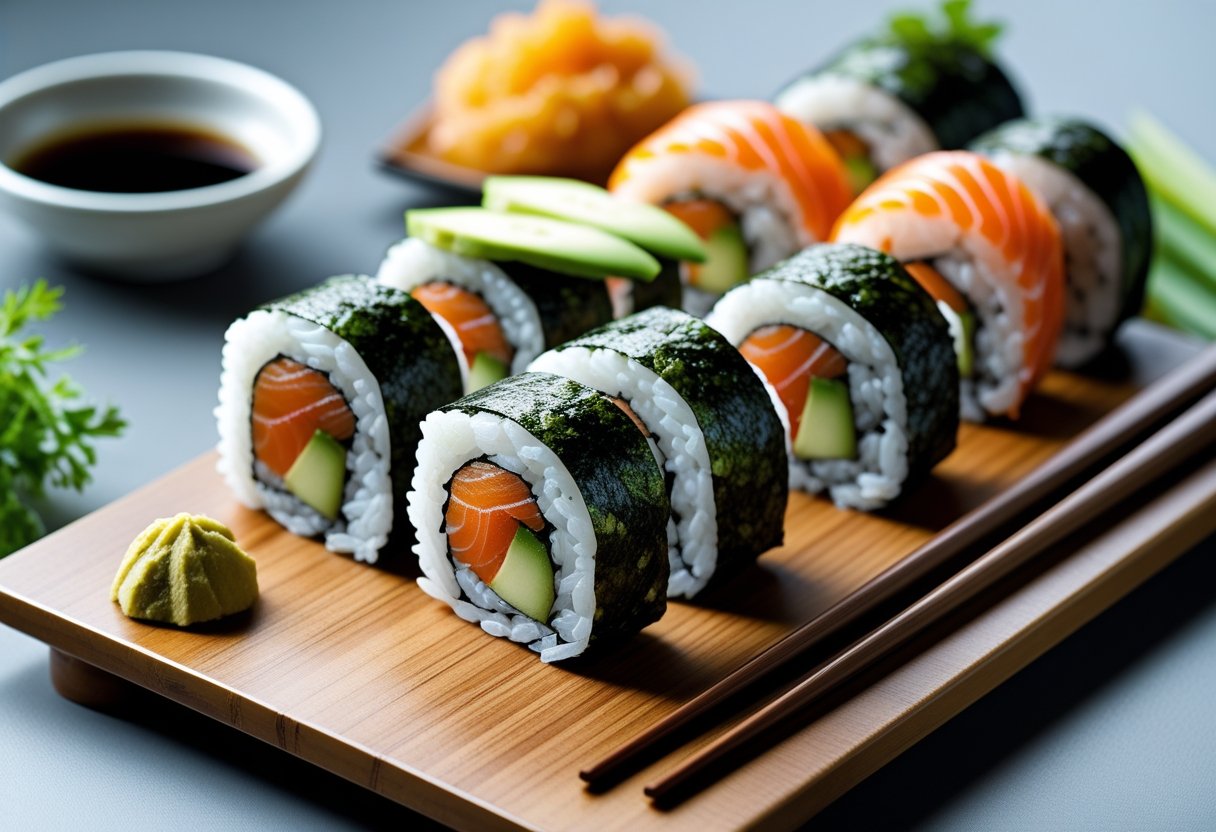
The beauty of maki lies in its cylindrical shape, which is created by rolling ingredients in a sheet of nori (dried seaweed) and then slicing the roll into bite-sized pieces.
Unlike other sushi forms that can vary dramatically in presentation, maki maintains this consistent rolled structure that makes it both visually appealing and easy to eat.
Key Takeaways
- Maki means “to roll” in Japanese and refers to any sushi made by rolling rice and fillings in seaweed
- All maki sushi maintains a cylindrical shape that is sliced into bite-sized pieces for serving
- The rolling technique allows for countless variations whilst preserving traditional sushi-making principles
What Does Maki Mean in Sushi?
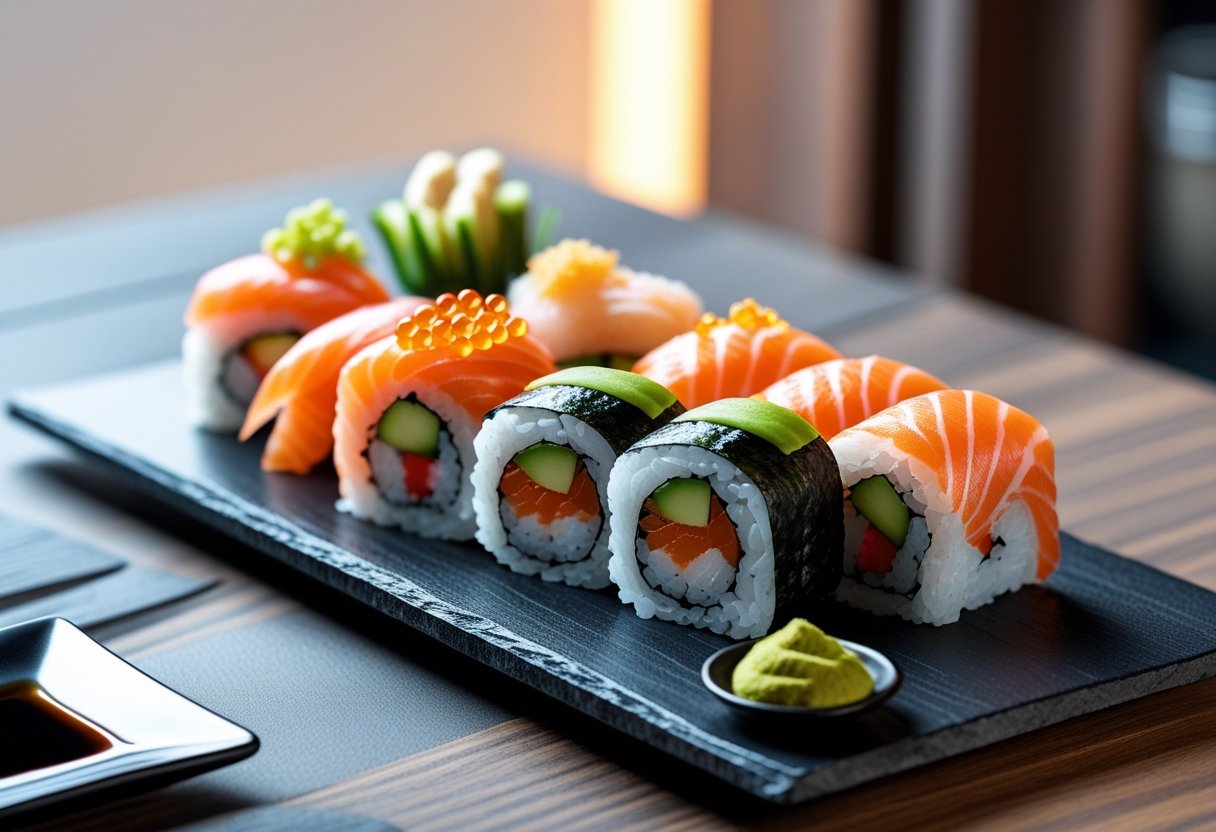
The word “maki” comes from the Japanese verb “maku,” which means “to roll” or “to wrap.”
This fundamental technique creates cylindrical sushi rolls that differ from other sushi types through their distinctive rolled structure and use of nori seaweed.
Origin and Etymology of ‘Maki’
The term maki derives directly from the Japanese word “maku,” meaning “to roll.”
This simple definition perfectly captures the essence of this sushi-making technique.
When we combine “maki” with “sushi,” we get makizushi – the formal Japanese name for rolled sushi.
The rolling process uses a bamboo mat called a makisu to create tight, uniform cylinders.
This rolling technique has been part of Japanese cuisine for centuries.
The method allowed sushi makers to combine multiple ingredients whilst keeping them secure within the roll.
The word itself reflects the physical action required to make this type of sushi.
We literally roll seasoned rice and fillings together using the bamboo mat as our guide.
The Concept of Rolled Sushi
Rolled sushi represents a specific construction method within Japanese cuisine.
We spread vinegared sushi rice on a sheet of nori (dried seaweed), add our chosen fillings, then roll everything into a tight cylinder.
The rolling process requires proper technique to achieve the right consistency.
We use the makisu to apply even pressure whilst rolling from one edge to the other.
Once rolled, we slice the cylinder into individual pieces, typically six to eight per roll.
Each piece reveals the cross-section of ingredients arranged in circular patterns.
The nori acts as both wrapper and flavour component.
It provides structure to hold the rice and fillings together whilst adding a subtle oceanic taste.
Different fillings create various maki types, from simple cucumber rolls to complex combinations featuring multiple fish and vegetables.
Key Differences Between Maki and Other Sushi Types
Maki’s cylindrical shape sets it apart from other sushi varieties immediately.
Whilst sushi can take many forms, maki maintains its distinctive rolled structure.
Traditional sushi includes nigiri (hand-pressed rice topped with fish) and sashimi (sliced raw fish without rice).
These lack the rolled construction that defines maki.
The nori wrapper represents another key distinction.
Most maki uses seaweed sheets, though some variations use soy paper or cucumber.
Other sushi types rarely incorporate these wrapping elements.
Portion size differs significantly between maki and other sushi.
We cut maki into multiple bite-sized pieces from one roll, whilst nigiri comes as individual portions.
Maki also allows for ingredient combinations that other sushi types cannot accommodate.
The rolling technique lets us incorporate multiple elements that would be impossible to balance on traditional nigiri.
Core Components of Maki Sushi
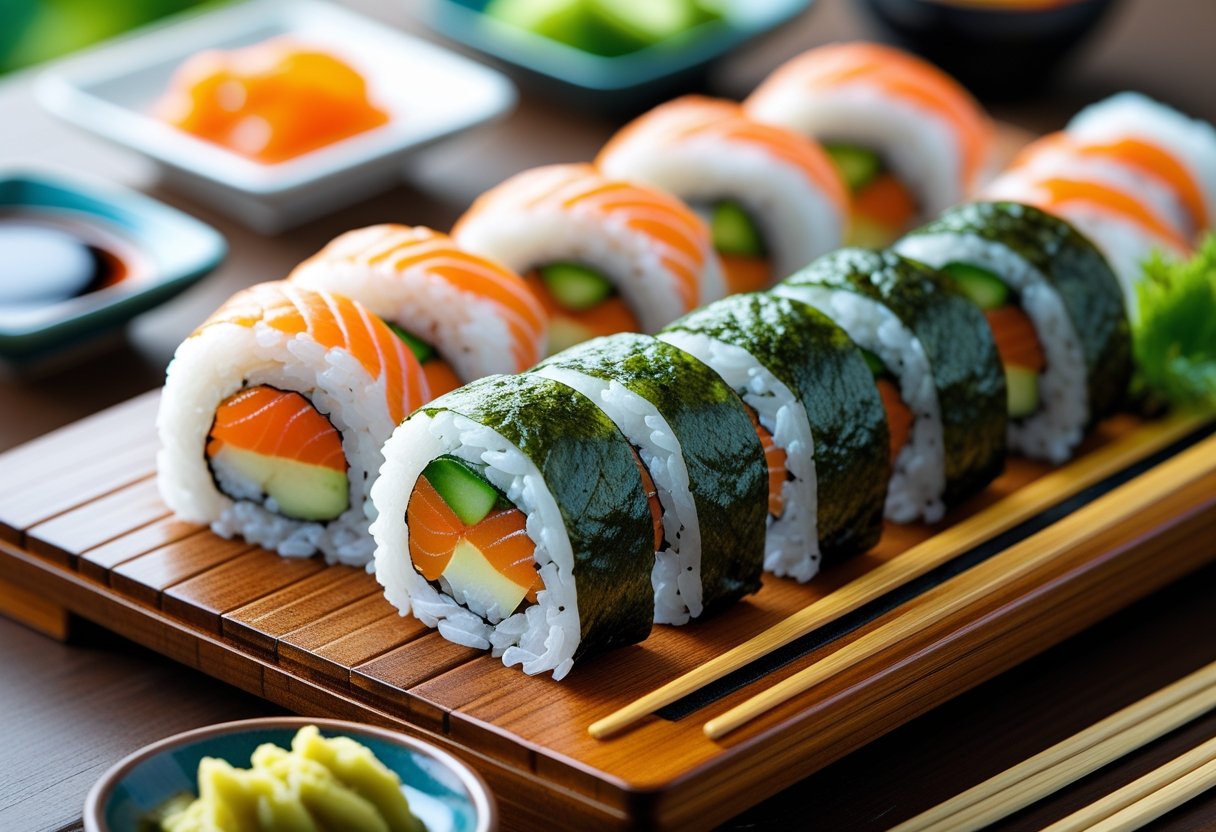
Maki sushi requires three essential elements: properly seasoned rice, a wrapper to hold everything together, and carefully chosen fillings.
These components work together to create the balanced flavours and textures that make maki so popular worldwide.
Sushi Rice and Vinegared Rice
Sushi rice forms the foundation of every maki roll.
We start with Japanese short-grain rice, which has the right stickiness to hold together when rolled.
The rice becomes vinegared rice through a careful seasoning process.
We mix warm cooked rice with a blend of rice vinegar, sugar, and salt.
This creates the slightly tangy flavour that defines authentic sushi rice.
Temperature matters greatly when preparing sushi rice.
The rice should be at room temperature when we roll it.
Hot rice will make the nori soggy, whilst cold rice becomes too firm to work with properly.
The vinegar mixture also helps preserve the rice naturally.
Traditional sushi chefs spend years perfecting their rice preparation, as it affects every aspect of the final roll’s taste and texture.
Role of Nori Seaweed and Alternatives
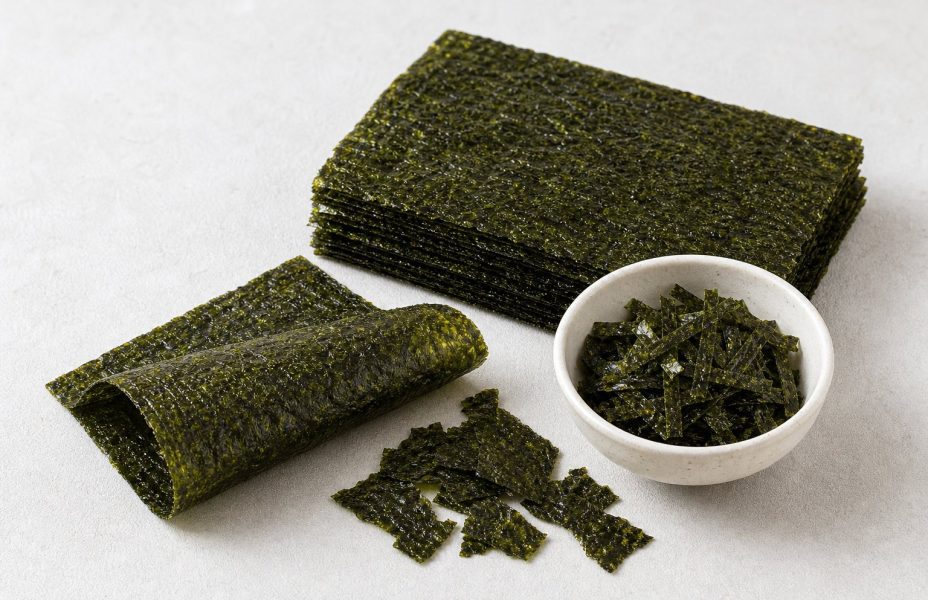
Nori seaweed serves as the primary wrapper for most maki rolls.
These thin, dark green sheets come from dried and pressed seaweed.
Quality nori should feel crisp and have a deep ocean flavour without being overly fishy.
We place the nori shiny-side down when rolling maki.
This ensures the duller, rougher side grips the rice better.
Fresh nori makes rolling easier and tastes significantly better than stale sheets.
Several alternatives exist for those who dislike seaweed.
Soy paper offers a neutral taste and comes in various colours including white, yellow, and pink.
Some rolls use thin omelet sheets instead, creating a completely different flavour profile.
Cucumber ribbons work well for lighter, fresher-tasting rolls.
These alternatives let us enjoy maki’s structure whilst accommodating different taste preferences and dietary requirements.
Fillings and Ingredients in Maki
Traditional maki fillings include both raw and cooked options.
Popular choices range from fresh salmon and tuna to cooked prawns and crab.
Cucumber adds crunch and freshness to many classic combinations.
Vegetarian options have grown increasingly popular.
Avocado, pickled radish, and tempura vegetables create satisfying plant-based rolls.
Many modern maki combinations mix traditional Japanese ingredients with local flavours.
The key to good maki lies in balancing textures and flavours.
We typically combine something creamy (like avocado), something with bite (like cucumber), and a protein element.
This creates interesting contrast in each piece.
Preparation size matters significantly.
We cut all fillings into strips that run the length of the roll.
This ensures every slice contains all intended ingredients in the proper proportions.
The Main Types of Maki Sushi
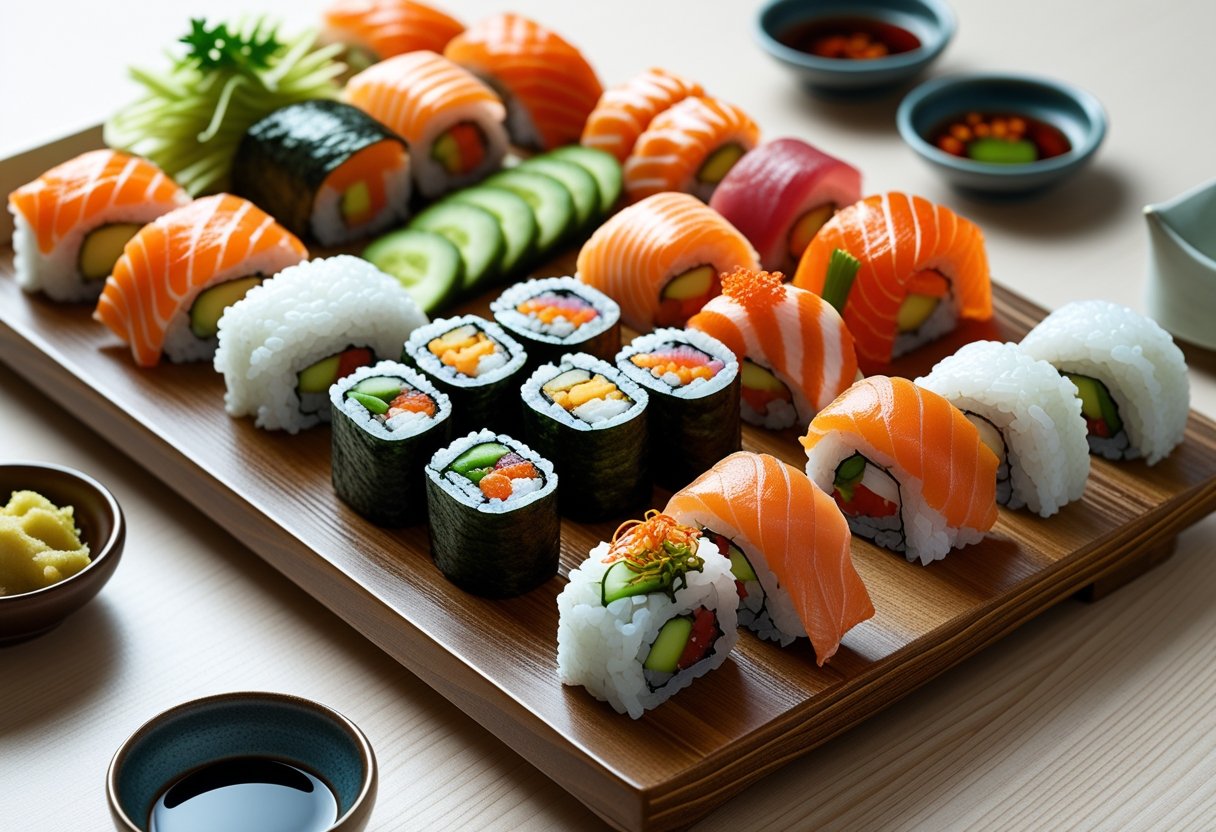
Maki rolls come in three basic sizes that determine their shape, filling options, and eating experience.
The width of each type affects how many ingredients can fit inside and how much rice surrounds the filling.
Hosomaki: Thin Rolls
Hosomaki translates to “thin roll” in Japanese.
These slender maki rolls use half a sheet of nori seaweed.
We typically see hosomaki with just one main ingredient.
The rice forms a thin layer around the filling.
This creates a simple, clean taste.
Common hosomaki varieties include:
- Tekkamaki (tuna roll)
- Kappamaki (cucumber roll)
- Hamachimaki (yellowtail roll)
The small size makes hosomaki perfect for eating with chopsticks.
Each piece contains about one bite of food.
The nori wrapper stays crispy because there’s less moisture from the minimal rice.
Hosomaki rolls measure roughly 2.5 centimetres in diameter.
We can eat several different types to try various flavours without feeling too full.
Futomaki: Thick Rolls
Futomaki means “fat roll” in Japanese.
These thick rolls use a full sheet of nori seaweed and contain multiple ingredients.
We find futomaki packed with three to five different fillings.
The generous rice layer holds everything together.
Popular combinations include egg, cucumber, pickled radish, and cooked fish.
Typical futomaki ingredients:
- Tamagoyaki (sweet egg omelette)
- Cucumber strips
- Pickled vegetables
- Cooked prawns or eel
Each futomaki slice measures about 5 centimetres across.
The larger size creates a more filling meal.
We often see these colourful rolls at celebrations and special occasions.
The thick nori wrapper prevents the roll from falling apart despite its size.
Futomaki requires more skill to roll properly than thinner varieties.
Chumaki: Medium Rolls
Chumaki sits between hosomaki and futomaki in size.
These medium rolls typically contain two to three ingredients wrapped in nori.
We see chumaki as the perfect balance of flavour and portion size.
The rolls aren’t too thin or too thick.
They offer more variety than hosomaki without being as heavy as futomaki.
Popular chumaki combinations:
- Tuna and cucumber
- Salmon and avocado
- Crab and mayonnaise
Chumaki measures roughly 3.5 centimetres in diameter.
The moderate size works well for most people’s appetites.
We can enjoy the taste of multiple ingredients without overwhelming our palate.
These rolls bridge the gap between simple single-ingredient rolls and complex thick varieties.
They’re easier to make than futomaki but more interesting than basic hosomaki.
Innovative Maki Variations
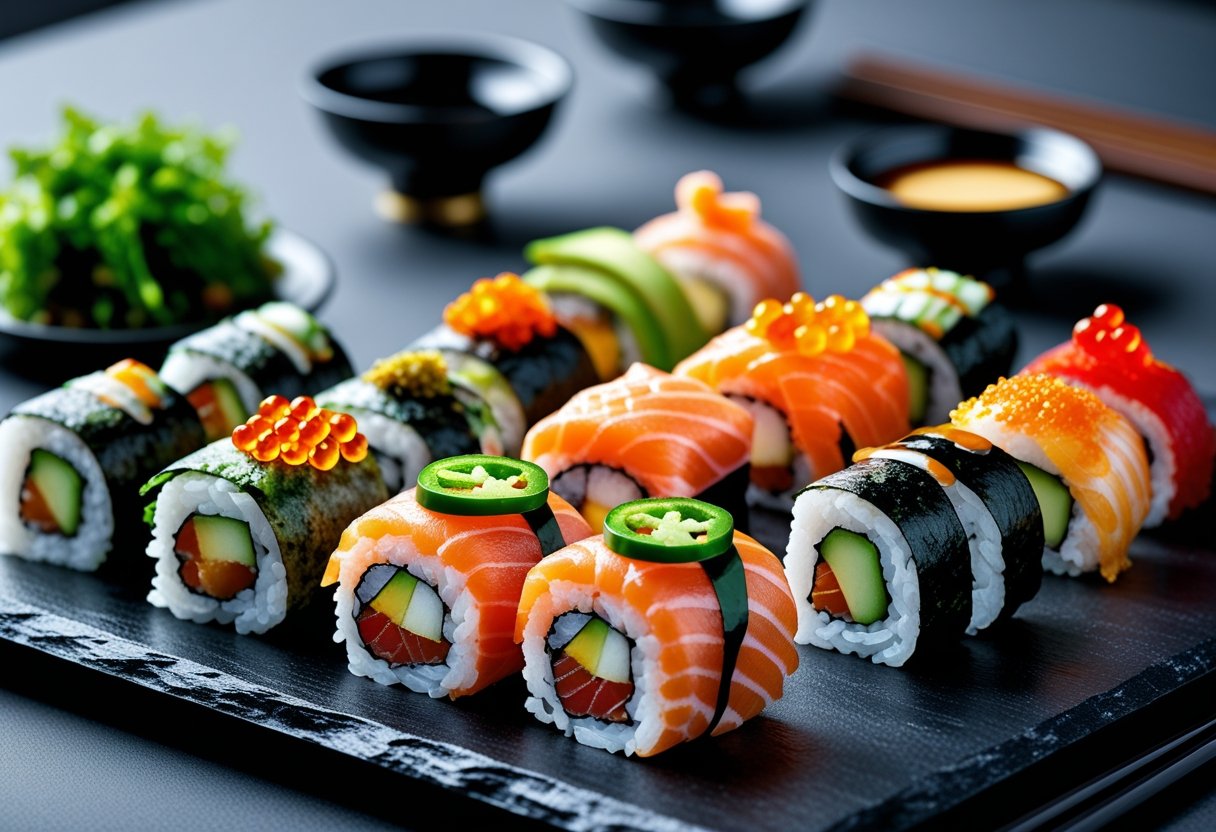
Modern sushi chefs have expanded beyond traditional maki rolls to create exciting new styles.
These variations include inside-out rolls with rice on the outside, cone-shaped hand rolls, and Western-inspired fusion combinations.
Uramaki: Inside-Out Rolls
Uramaki represents a complete reversal of traditional maki construction.
We see the rice on the outside and nori seaweed on the inside, creating a striking visual contrast.
This inside-out roll technique allows chefs to coat the exterior rice with sesame seeds, masago, or other toppings.
The method originated in California during the 1960s when sushi chefs discovered that American customers preferred not seeing the dark nori wrapper.
Common Uramaki Features:
- Rice coating on the exterior
- Hidden nori layer inside
- Multiple filling options
- Decorative outer toppings
The California roll became the most famous uramaki variation.
It typically contains imitation crab, avocado, and cucumber with sesame seeds coating the rice exterior.
Temaki: Hand Rolls
Temaki transforms the traditional maki concept into a cone-shaped hand roll.
We find these rolls wrapped in a triangular nori sheet that forms a natural cone shape.
Unlike cylindrical maki rolls, temaki must be eaten immediately by hand.
The cone structure prevents the nori from becoming soggy and maintains the crispy texture that makes temaki distinctive.
Temaki Characteristics:
- Cone-shaped design
- Hand-held eating method
- Single-serving portions
- Quick preparation time
Popular temaki fillings include spicy tuna, salmon skin, and soft-shell crab.
The hand roll format allows for generous filling portions that wouldn’t fit in traditional maki rolls.
Popular Fusion and Western-Style Rolls
Western-style sushi rolls blend Japanese techniques with local ingredients and flavour preferences.
We observe these creative combinations in sushi restaurants worldwide, particularly in North America and Europe.
The Philadelphia roll features smoked salmon and cream cheese, whilst the rainbow roll combines multiple fish varieties over a California roll base.
These fusion creations often include cooked ingredients to appeal to customers hesitant about raw fish.
Popular Fusion Examples:
- Spider roll: Soft-shell crab tempura
- Dragon roll: Eel and avocado exterior
- Volcano roll: Spicy mayo and baked seafood
Many fusion rolls incorporate tempura elements, spicy sauces, and tropical fruits.
Preparation Techniques and Tools for Maki
Making proper maki requires specific tools and techniques that ensure tight, uniform rolls.
The bamboo mat serves as the foundation for creating well-formed sushi rolls, whilst proper rolling and cutting methods determine the final presentation.
Using the Bamboo Mat (Makisu)
The bamboo mat, called makisu in Japanese, is essential for creating properly shaped maki rolls.
We place the makisu on a flat surface with the bamboo slats running horizontally.
Setting up the mat:
- Cover the makisu with cling film to prevent rice sticking
- Position a nori sheet shiny side down on the mat
- Align the nori’s bottom edge with the mat’s edge closest to us
We spread sushi rice evenly across the nori using damp hands.
The rice layer should be about 5mm thick. We leave a 2cm strip of bare nori at the top edge for sealing.
The makisu’s flexibility allows us to apply even pressure when rolling.
We grip the mat firmly but gently to avoid crushing the fillings inside.
Rolling and Cutting Methods
Rolling technique determines whether our maki holds together properly.
We start by placing fillings in a horizontal line across the rice’s centre.
Rolling process:
- Lift the mat’s near edge with both thumbs
- Roll forward whilst tucking the nori around the fillings
- Apply gentle pressure to maintain shape
- Continue rolling until reaching the bare nori strip
We dampen the exposed nori edge slightly to create a proper seal.
The completed roll should feel firm but not compressed.
For cutting, we use a sharp knife dampened with water.
We make clean, decisive cuts without sawing motions. Each piece should be approximately 2cm thick for optimal presentation.
Cultural Significance and Modern Popularity
Maki represents a cornerstone of Japanese cuisine that has transcended cultural boundaries to become one of the world’s most recognisable foods.
Maki in Japanese Culinary Tradition
In traditional Japanese cuisine, maki serves as more than just a meal—it represents the cultural values of balance, seasonality, and respect for ingredients.
We find maki appearing alongside other sushi preparations like sashimi, chirashi, and inari as part of formal dining experiences.
The rolling technique itself demonstrates Japanese craftsmanship principles.
Each fold of the bamboo mat requires precision and practice.
Master sushi chefs spend years perfecting their technique to achieve consistent results.
Traditional maki varieties reflect seasonal availability and regional preferences.
Tekka maki, featuring tuna, represents the simplicity that defines authentic Japanese preparation.
The emphasis remains on showcasing individual ingredient quality rather than masking flavours with complex combinations.
Ceremonial occasions often feature elaborate futomaki rolls containing symbolic ingredients.
New Year celebrations include specific vegetables and colours that represent good fortune.
These traditions connect maki preparation to broader cultural celebrations and family gatherings.
The communal aspect of sharing maki reinforces social bonds.
We observe this in Japanese homes where preparing sushi together brings families closer during special occasions and festivals.
Health Aspects and Nutrition
Maki offers significant nutritional benefits when prepared with quality ingredients and traditional methods.
Raw fish varieties provide concentrated sources of omega-3 fatty acids, which support cardiovascular health and brain function.
The combination of rice, fish, and vegetables creates balanced macronutrient profiles.
Nori contributes essential minerals including iodine, iron, and B vitamins that many diets lack.
These nutrients support thyroid function and energy metabolism.
Calorie content varies dramatically between preparation styles:
- Simple cucumber rolls: 130 calories per serving
- Traditional fish rolls: 200-250 calories
- Tempura or fried varieties: 400-500 calories
Raw fish preparations like tekka maki maintain maximum nutritional density compared to cooked fish alternatives.
The minimal processing preserves heat-sensitive vitamins and beneficial compounds naturally present in seafood.
Traditional pickled vegetables add probiotics that support digestive health.
We find these fermented elements contributing both flavour complexity and gut health benefits in authentic preparations.
Global Influence and Adaptations
Maki’s worldwide popularity has spawned countless regional adaptations whilst maintaining core preparation principles.
We observe how different cultures have embraced the basic rolling technique whilst incorporating local ingredients and flavour preferences.
American innovations introduced inside-out rolls and fusion ingredients like cream cheese.
These adaptations made sushi more accessible to Western palates whilst creating entirely new categories of rolls that bear little resemblance to traditional Japanese preparations.
European interpretations incorporate smoked fish and regional herbs.
Nordic countries developed variations featuring local seafood preparations.
Brazilian adaptations include tropical fruits that complement traditional fish preparations.
The global sushi market now exceeds billions in annual revenue, with maki representing the most popular format in international restaurants.
This commercial success has both spread awareness of Japanese cuisine and created standardised preparation methods worldwide.
Modern presentation styles emphasise visual appeal through colourful arrangements and artistic plating.
Social media influence has driven demand for photogenic rolls that prioritise appearance alongside traditional flavour considerations.
Enjoying Maki: Serving, Etiquette, and Pairings
Proper maki enjoyment involves understanding traditional accompaniments and following simple eating practices that enhance flavour whilst respecting Japanese customs.
Traditional Accompaniments: Wasabi, Soy Sauce, Pickled Ginger
Wasabi serves as the primary condiment for maki rolls.
We should use real wasabi when possible, though most restaurants serve horseradish-based alternatives.
The sharp, clean heat complements fish fillings without overwhelming delicate flavours.
Soy sauce acts as the main dipping sauce for maki.
We mix small amounts of wasabi directly into our soy sauce dish.
Light soy sauce works best as it won’t mask the subtle tastes of quality ingredients.
Pickled ginger (gari) cleanses our palate between different maki varieties.
We eat small pieces between rolls, not during bites.
This helps us taste each type of maki properly.
These three accompaniments work together to enhance maki’s flavours.
We should use them sparingly to avoid overpowering the carefully balanced ingredients inside each roll.
How to Eat Maki Properly
We eat maki pieces in single bites when possible.
Cutting rolls into smaller pieces is acceptable if they’re too large for one bite.
Chopsticks or fingers both work for eating maki.
Using our hands is traditional and perfectly acceptable in Japanese culture.
We dip the fish side, not the rice side, into soy sauce to prevent the rice from falling apart.
We eat maki pieces upside down when dipping.
This means the fish touches the soy sauce first, protecting the rice structure.
Timing matters when eating maki.
We consume each piece promptly after dipping to maintain proper texture and temperature.
Fresh maki tastes best within minutes of preparation.
We avoid mixing wasabi directly onto maki pieces.
Instead, we add wasabi to our soy sauce or eat small amounts separately between bites.
Frequently Asked Questions
Maki sushi raises many questions about ingredients, preparation methods, and regional differences.
These common queries help clarify the distinctions between maki types and proper eating techniques.
What are the typical ingredients found in a maki roll?
Maki rolls contain seasoned sushi rice as their base ingredient.
The rice is mixed with vinegar to give it the proper flavour and texture.
Fresh fish like tuna creates tekkamaki rolls.
Cucumber makes kappamaki, one of the most popular vegetarian options.
Pickled radish forms shinkomaki rolls.
Fermented soybeans create nattōmaki for those who enjoy this traditional Japanese ingredient.
We also find avocado, crab, and cooked prawns in many modern maki variations.
Nori seaweed wraps around these ingredients to hold everything together.
How does maki differ from other types of sushi?
Maki is rolled sushi wrapped in seaweed sheets.
Nigiri consists of fish slices placed over pressed rice mounds without any wrapping.
Maki gets cut into bite-sized round pieces after rolling.
Nigiri pieces remain as individual portions shaped by hand.
We find wasabi placed between the fish and rice in nigiri.
Maki typically has wasabi mixed with other ingredients inside the roll.
Sashimi contains only sliced raw fish with no rice at all.
This makes it completely different from maki’s rice-based structure.
Can you explain the variations of maki and their characteristics?
Hosomaki are thin rolls about 3cm wide with single ingredients.
These simple rolls focus on one main flavour like cucumber or tuna.
Futomaki are thick rolls over 5cm wide containing multiple ingredients.
They offer more complex flavour combinations in each bite.
Uramaki rolls have rice on the outside with nori inside.
We often call these “inside-out” rolls in Western sushi restaurants.
Temaki are cone-shaped hand rolls that don’t get sliced.
People eat these larger portions with their hands rather than chopsticks.
What is the proper way to eat maki sushi?
We can eat maki with chopsticks or our hands.
Both methods are acceptable in Japanese dining culture.
Dip the fish side lightly into soy sauce, not the rice side.
Too much soy sauce overpowers the delicate flavours.
Eat each piece in one bite when possible.
This preserves the balance of flavours that the chef intended.
Pickled ginger cleanses the palate between different types of maki.
We shouldn’t eat it with the sushi itself.
Are there any region-specific styles of maki in Japan?
The Kansai region simply calls these rolls “maki.”
The Kanto region often uses the term “norimaki” instead.
Ehomaki is a special thick roll eaten during Setsubun festival.
People eat these uncut rolls whilst facing a lucky direction.
Different regions favour various local ingredients in their maki.
Coastal areas often use regional fish varieties not found elsewhere.
Some areas have unique rolling techniques passed down through generations.
These create subtle differences in texture and presentation.
What are some common vegetarian options for maki?
Kappamaki contains cucumber as the main ingredient.
This refreshing roll is perfect for those avoiding fish entirely.
Avocado rolls offer creamy texture and mild flavour.
Pickled vegetables like radish create flavourful vegetarian maki.
These tangy ingredients add complexity without any animal products.
Mushroom varieties work well in thicker futomaki rolls.