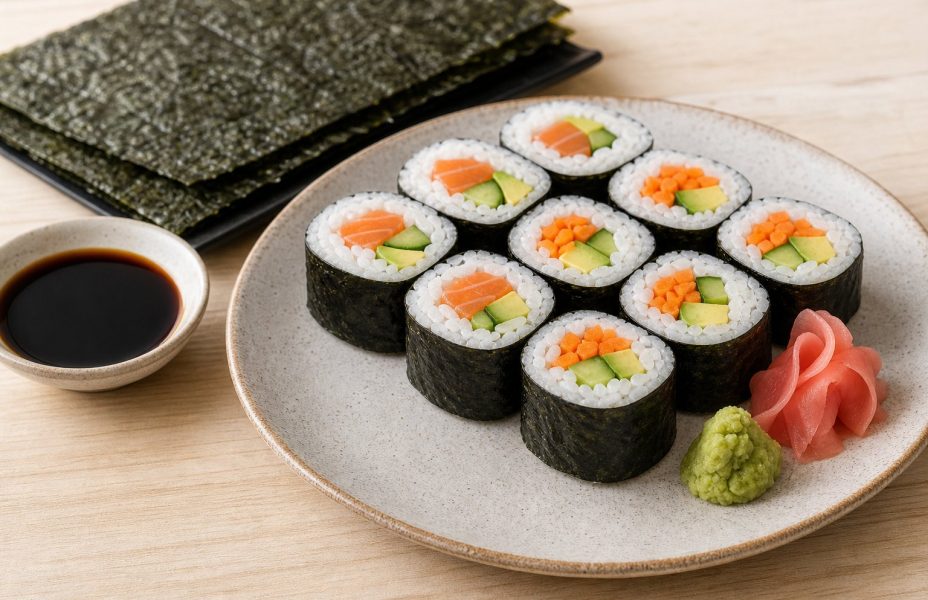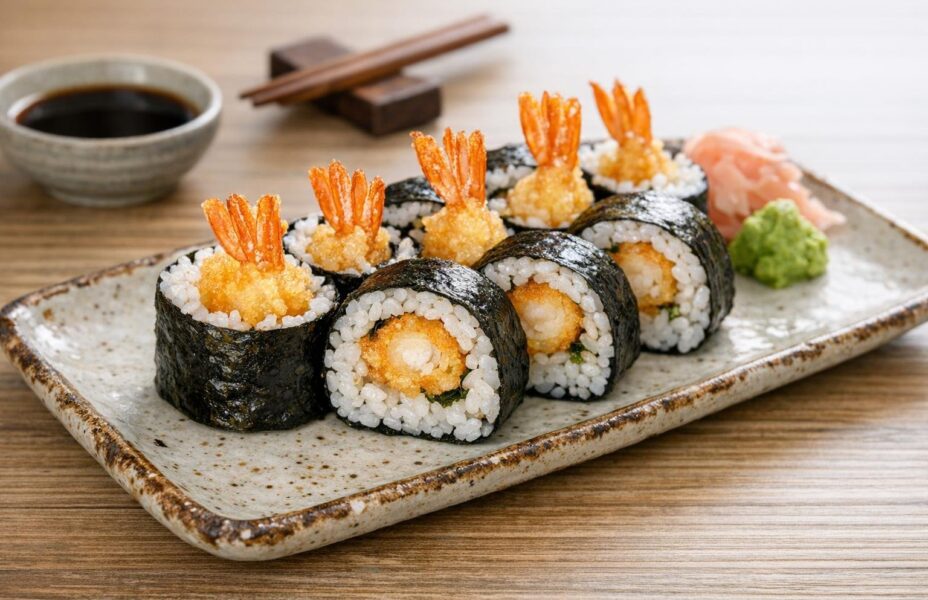
Shrimp tempura sushi brings together crispy fried shrimp and fresh sushi rice. So, what do you do when you’ve got leftovers or want to prep meals in advance?
Freezing this dish is a common question. Let’s dig in.
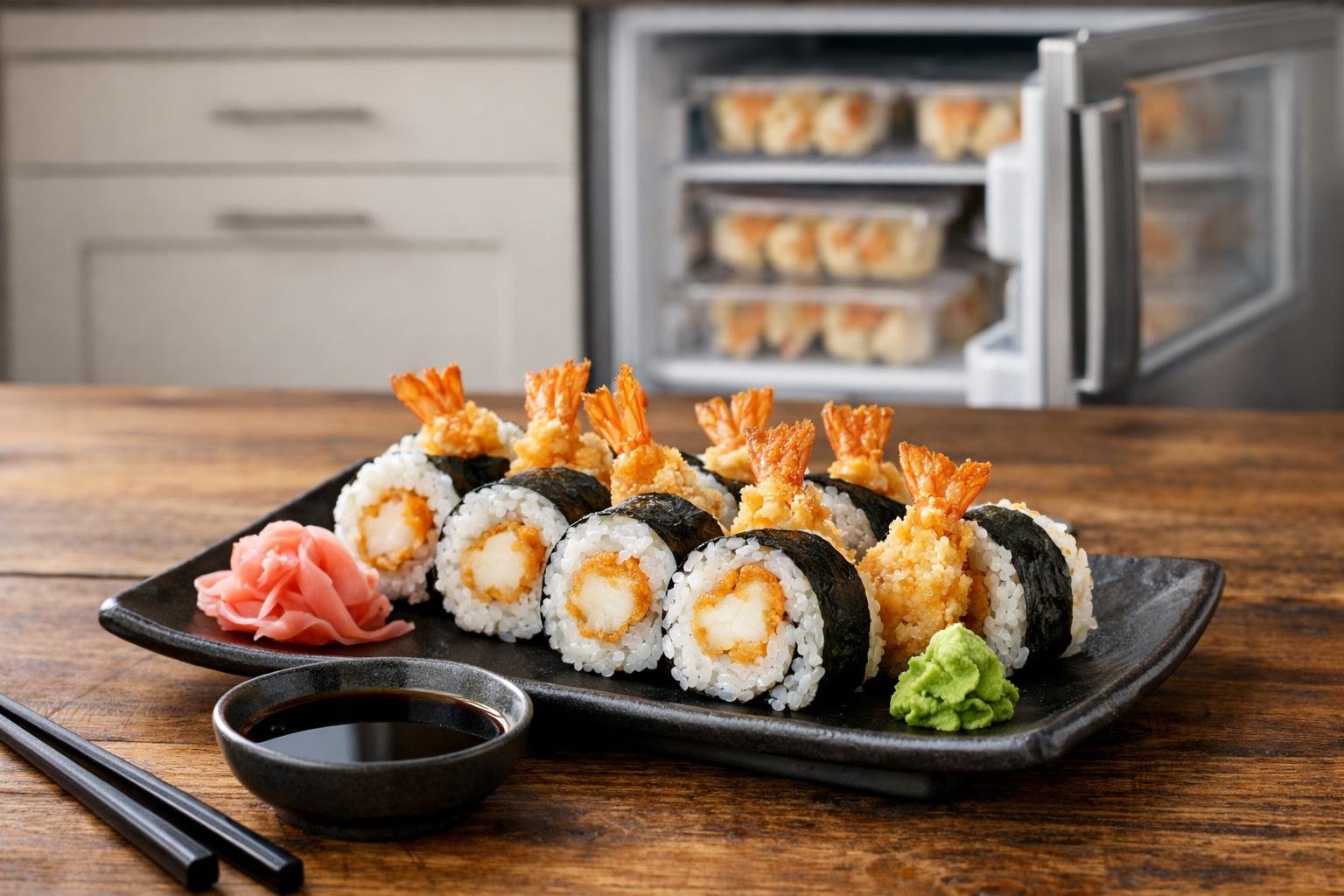
Freezing shrimp tempura sushi really isn’t a great idea. The process messes up the crispy tempura coating and wrecks the texture of the sushi rice.
Ice crystals form inside the food when it freezes, which leads to soggy batter and mushy rice once thawed. That’s not exactly the mouthfeel you want from sushi.
Still, if you’re determined to freeze it, certain techniques can help reduce the damage. Proper freezing, storage, and reheating methods might salvage some of the quality.
Key Takeaways
- Freezing shrimp tempura sushi ruins the crispiness and makes the rice mushy
- If you have to freeze it, wrap tightly in cling film and use airtight containers for up to three months
- Reheat in an oven or air fryer at 175°C to get back a bit of crunch
Understanding Shrimp Tempura Sushi and Freezing
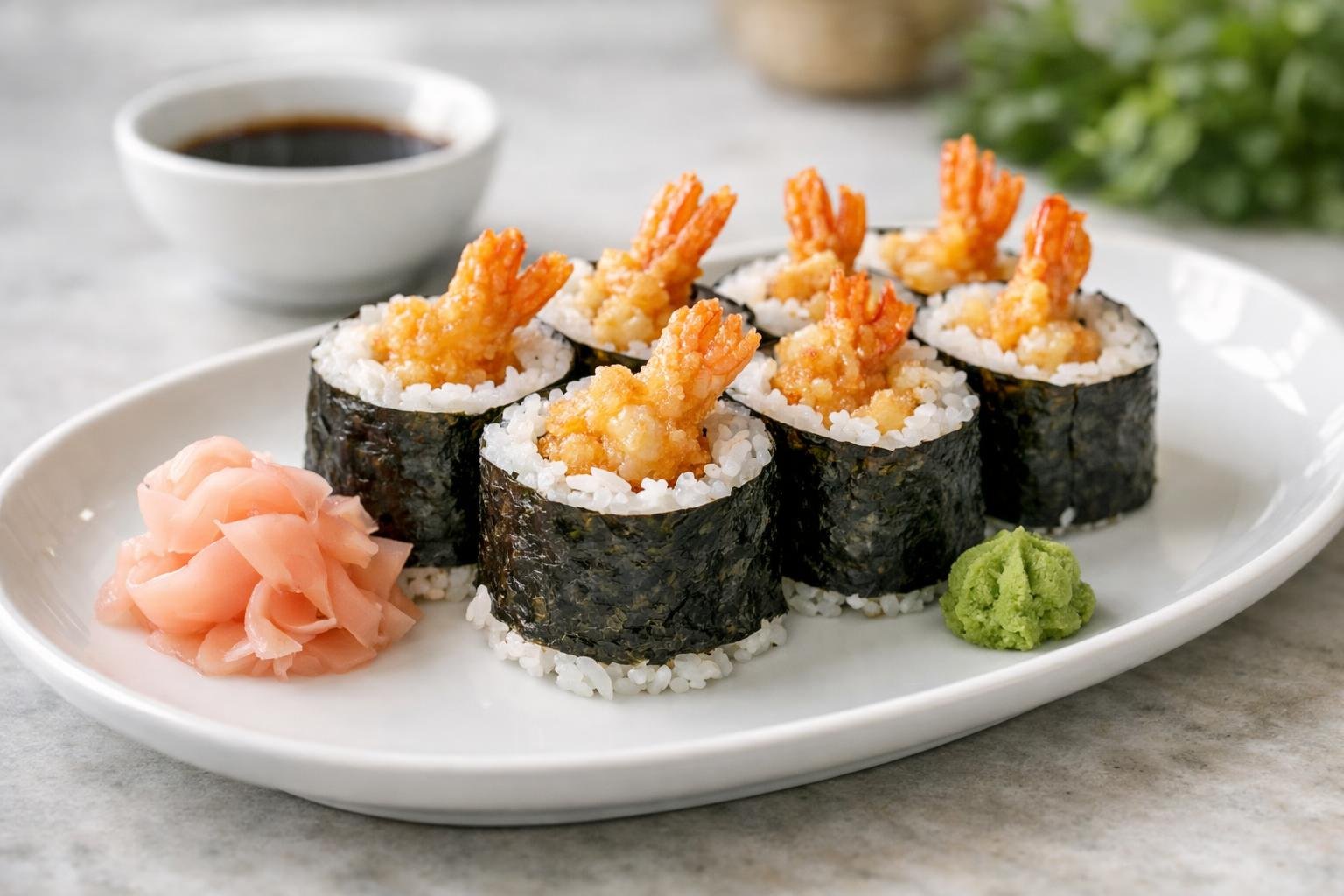
Shrimp tempura sushi mixes crispy fried shrimp with rice and seaweed. It’s a popular fusion roll, but freezing it is tricky because of the delicate ingredients and mix of textures.
What Is Shrimp Tempura Sushi?
A shrimp tempura roll uses deep-fried prawns, seaweed, and rice. It’s technically sushi because of the nori and seasoned sticky rice, even though the filling is cooked.
The main parts are:
- Fried tempura shrimp – prawns in a light batter, deep-fried until golden
- Sushi rice – short-grain rice seasoned with vinegar
- Nori – dried seaweed sheets
- Extras – sometimes cucumber, avocado, or spicy mayo
The crispy shrimp contrasts with the soft rice, which is why freezing tends to mess it up. That texture combo is fragile.
Why Consider Freezing Shrimp Tempura Sushi?
Maybe you want to freeze leftovers to cut down on food waste, or you made a big batch. Freezing seems practical.
But freezing really takes a toll on the quality. The rice turns mushy and loses its stickiness. The tempura coating goes soggy and loses its appeal.
Moisture in rice and batter causes problems. Ice crystals pop up inside, then melt and mess with the structure. Once thawed, the sushi just isn’t the same as it was fresh.
Can Shrimp Tempura Sushi Be Frozen?
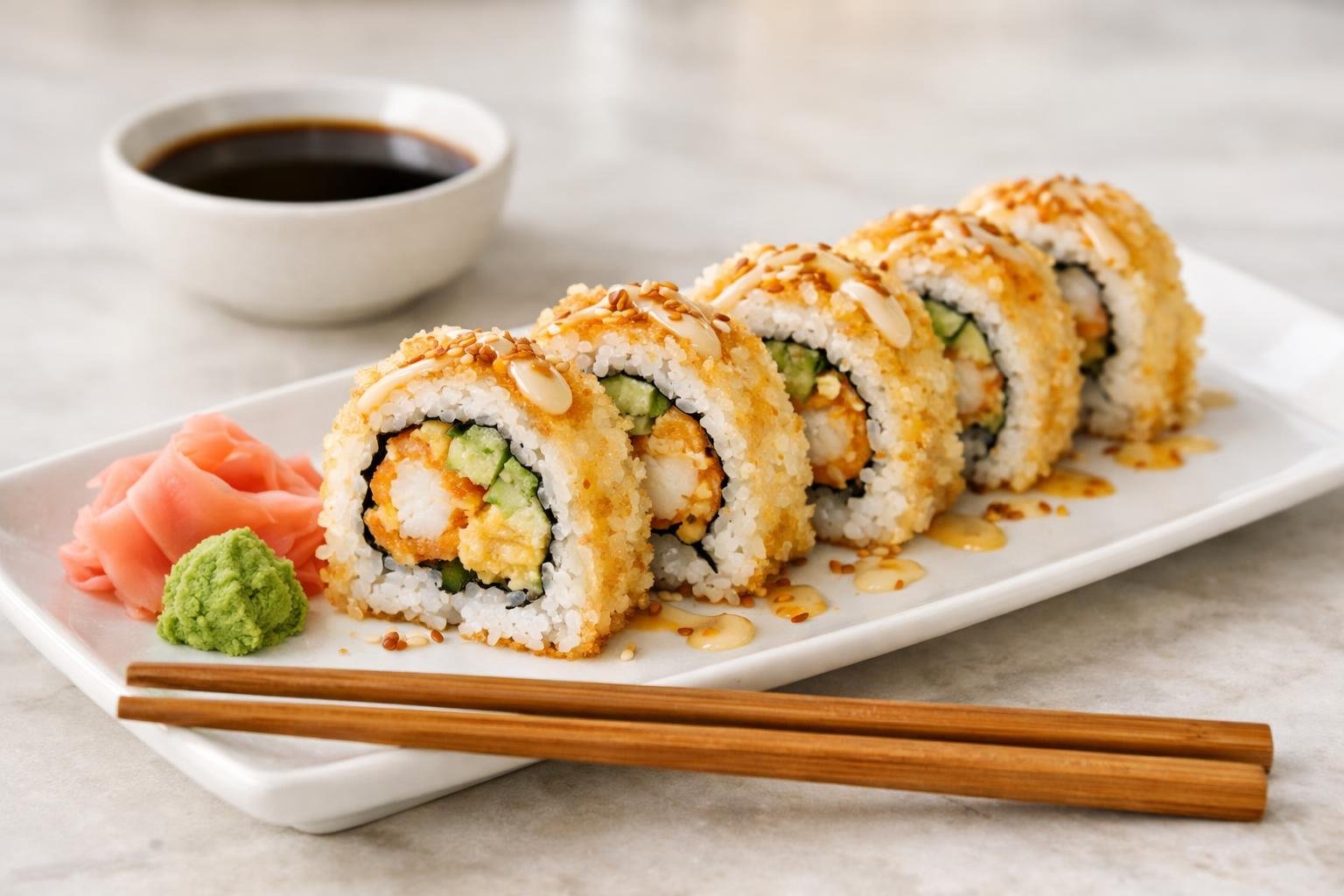
Freezing shrimp tempura sushi is tough because the rice and batter both change texture. It’s hard to keep the quality after freezing.
Feasibility of Freezing Sushi Rolls
You can technically freeze shrimp tempura rolls, but honestly, it’s not great. Sushi rice, nori, and fried tempura all react badly to freezing.
If you do freeze them, wrap each piece tightly in cling film. Then use an airtight container or a heavy-duty freezer bag.
This double layer helps keep out freezer burn and locks in moisture. Don’t expect miracles, though.
Keep them in the freezer for 1-2 months max. After a few weeks, the quality really drops. The flavor might be okay, but the texture just won’t be the same as fresh.
What Happens to Shrimp Tempura When Frozen?
The tempura coating suffers most. Freezing makes moisture inside the batter crystallize and expand, ruining that airy crispness.
When you thaw it, the batter soaks up melted ice and gets soggy. The shrimp itself is less affected since it’s already cooked, but it’s not immune to texture changes.
Flash-freezing cooked tempura on a baking sheet for an hour before storage can help keep pieces separate. It’s a little extra effort, but it helps.
How Freezing Affects Sushi Rice and Batter
Sushi rice turns hard and grainy because the starches crystallize. The rice loses its stickiness and the vinegar flavor can get patchy.
The nori wrapper soaks up moisture from both the rice and tempura. It goes from crisp to chewy or even slimy, which is just… not good.
Even if you reheat in an oven at 175°C, you can’t get the original crisp back. The damage from freezing is pretty much permanent.
Proper Techniques for Freezing Shrimp Tempura Sushi
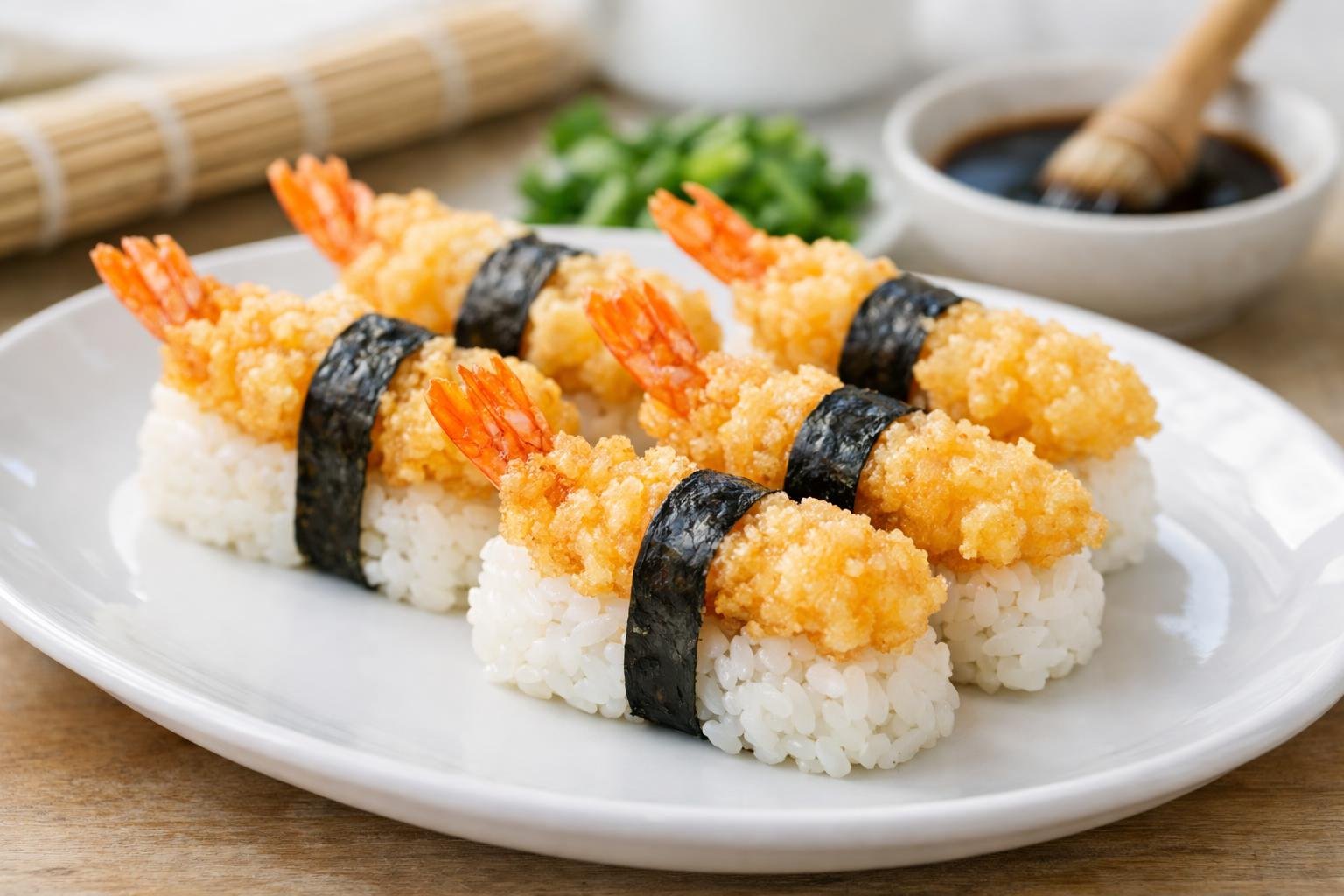
If you’re going to freeze shrimp tempura sushi, prep and package it carefully to keep as much texture as you can. Cooling, airtight storage, and labeling help preserve it for up to two months.
Preparing Shrimp Tempura Sushi for Freezing
Let your shrimp tempura sushi cool down completely before freezing. Warm sushi creates condensation inside the packaging, which leads to soggy rice and batter.
Put the rolls on a wire rack for about 30 to 45 minutes at room temperature. This lets air circulate and keeps moisture at bay.
Flash freezing is a handy trick. Lay the pieces on a baking sheet lined with parchment, spaced apart. Freeze for one or two hours until solid.
This way, you can grab individual pieces later instead of thawing a whole clump. It’s just more convenient.
Don’t freeze sushi that’s been sitting out for more than two hours. Bacteria can grow, and freezing won’t fix that.
Best Containers and Packaging Methods
Push out as much air as you can from your storage bags to avoid freezer burn. Freezer-safe bags are great because you can squeeze the air out before sealing.
For extra insurance, wrap each piece in plastic wrap before bagging. This helps block out moisture and ice crystals.
Airtight containers with tight lids work too, but they eat up more freezer space. Leave a bit of room at the top for expansion.
Regular food bags aren’t thick enough for this job. The coating and rice will degrade faster without good insulation.
Store your sushi in the coldest part of the freezer—usually the back or bottom. Faster freezing means smaller ice crystals and better texture.
Labelling and Storage Duration Guidelines
Write the freezing date on each bag or container with a marker. Note the contents and how many pieces are inside.
Keep shrimp tempura sushi frozen for no more than one to two months. After that, even if it’s safe, the quality just isn’t worth it.
| Storage Method | Maximum Duration | Quality Rating |
|---|---|---|
| Freezer bag (individually wrapped) | 2 months | Best |
| Airtight container | 1-2 months | Good |
| Regular freezer bag | 3-4 weeks | Fair |
Check your freezer temp once in a while. It should stay at -18°C or below.
Try to use a first-in, first-out system. Put newer sushi behind older batches so you eat the oldest ones first.
Thawing and Reheating Frozen Shrimp Tempura Sushi
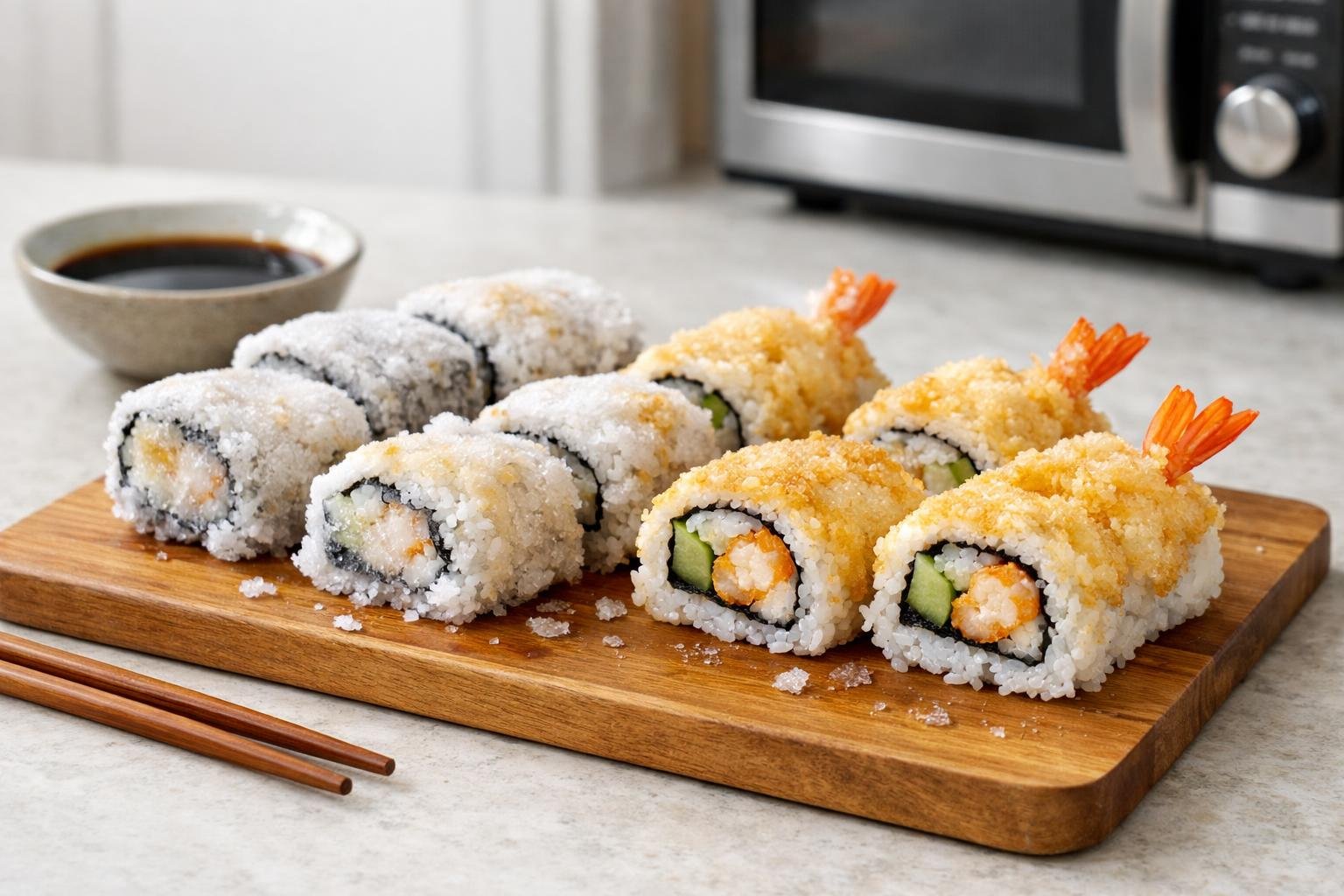
Thawing and reheating can make or break your frozen sushi. Managing moisture and using the right heat is key if you want to get close to that fresh taste and texture.
Safe Thawing Methods
Thaw frozen shrimp tempura sushi in the fridge overnight for best results. Put it on a plate, cover loosely with cling film, and let it sit.
Need it faster? Leave it at room temp for 30-45 minutes. Don’t use a microwave—it’ll just make everything soggy.
Actually, for crispiness, you can skip thawing and go straight to reheating from frozen. That helps keep the batter from getting too soft.
Reheating for Optimal Crispiness
An air fryer works wonders here. Lay out the sushi in a single layer and cook at 175°C for 5-7 minutes. The hot air crisps up the batter and warms the rice.
The oven is a solid backup. Preheat to 175°C, put the sushi on a parchment-lined baking sheet, and heat for about 10-12 minutes.
Microwaves are a no-go. They just steam the tempura and turn it chewy.
Restoring Flavour and Texture
Blot the sushi with paper towels before reheating to soak up extra moisture. This really helps the tempura crisp up.
Don’t crowd the air fryer or baking sheet. Leave a little space so everything gets crispy.
Eat the reheated sushi right away while it’s still hot and crunchy. The tempura softens fast as it cools, so don’t wait. Serve it up with fresh soy sauce, wasabi, or pickled ginger for a little extra flavor.
Shelf Life, Storage, and Quality Considerations
Frozen shrimp tempura sushi doesn’t last forever. Its quality drops off pretty quickly during freezing and thawing.
Knowing how to spot spoilage and what changes to expect makes it easier to decide if freezing this sushi is worth it.
How Long Does Frozen Shrimp Tempura Sushi Last?
You can technically keep frozen shrimp tempura sushi for up to 2-3 months at 0°F (-18°C) or colder. But honestly, it won’t taste great for that long.
The texture and flavor start going downhill within the first few weeks. The rice gets mushy after thawing, and the seaweed loses all its crispness.
It’s best to eat frozen shrimp tempura sushi within 2-4 weeks. After that, freezer burn creeps in, bringing dry spots and weird flavors.
Store sushi in airtight containers or sturdy freezer bags. Try to squeeze out as much air as you can to keep ice crystals from forming.
Recognising Spoiled Shrimp Tempura Sushi
Check frozen shrimp tempura sushi closely before eating. If it smells sour, fishy, or like ammonia, that’s a big red flag for spoilage.
Key spoilage indicators include:
- Slimy or sticky texture on the rice, shrimp, or seaweed
- Discoloration or dull-looking ingredients
- Mold on any part
- Sour or bitter taste
If you notice any of these, just toss it. Trust your senses—if you’re unsure, it’s safer to throw it out. Eating spoiled shrimp tempura can lead to food poisoning, with symptoms like nausea, vomiting, and diarrhea.
Quality Differences After Freezing
The texture of previously frozen shrimp tempura sushi shifts a lot compared to fresh sushi. The tempura coating goes soggy and loses its crunch, which is honestly the best part.
Sushi rice gets mushy and loses that nice, slightly sticky feel. The grains might clump together or fall apart in weird ways.
Nori (the seaweed) turns from crisp to chewy or even rubbery, which isn’t pleasant. The shrimp stays mostly intact but can get a bit rubbery.
Flavors fade, too. The delicate taste gets muted or just bland. Ice crystals form inside the food, breaking down cell walls and letting moisture escape during thawing.
Tips and Common Mistakes to Avoid
Freezing shrimp tempura sushi takes a bit of care. People often make mistakes that ruin the texture or flavor.
Never freeze warm sushi. Let it cool to room temperature first. If you freeze it warm, condensation forms and makes the rice mushy and the tempura soggy.
Don’t use flimsy packaging. Go for airtight containers or heavy-duty freezer bags. Push out as much air as possible. Wrapping each piece in cling film before storing adds a layer of protection.
Don’t skip flash freezing. This step keeps pieces from sticking together. Lay them out on a parchment-lined tray and freeze for 1-2 hours, then transfer to containers.
Common mistakes include:
- Freezing sushi with raw fish along with tempura
- Keeping it in the freezer for more than 1-2 months
- Thawing in the microwave
- Refreezing thawed sushi
- Using thin plastic bags that let freezer burn in
Reheating needs some finesse. An oven or air fryer works way better than a microwave. Heat at 175°C until it’s crispy—microwaves just make everything soggy.
Label containers with the date. It helps you keep track and use the oldest stuff first. Frozen shrimp tempura sushi won’t ever be as good as fresh, but some care can help minimize texture loss.
Frequently Asked Questions
Freezing shrimp tempura sushi comes with challenges, especially with food safety and texture. Knowing how freezing affects each part of the sushi helps you decide if it’s worth storing.
Is it safe to freeze sushi that contains cooked shrimp tempura?
Yes, you can freeze sushi with cooked shrimp tempura from a safety standpoint. Cooking the shrimp removes a lot of the bacteria risks that come with raw fish sushi.
Just make sure the sushi is fresh before you freeze it. Freeze it as soon as you can after making or buying for the best results.
Cooked shrimp tempura is safer to freeze than raw seafood. Still, you need to freeze and thaw it properly to avoid bacteria growth.
How does freezing affect the quality and texture of shrimp tempura sushi?
Freezing really changes the texture. The tempura coating goes soggy after thawing because of ice crystals.
The rice can get hard, dry, or crumbly once you thaw it. Nori loses its snap and turns chewy or rubbery thanks to moisture moving around during freezing.
The overall experience is just different from fresh sushi. It’s edible, but the signature textures that make shrimp tempura sushi great are lost.
What is the recommended method for freezing and thawing shrimp tempura sushi to maintain its taste?
Wrap each piece tightly in plastic wrap to cut down on freezer burn and moisture loss. Put the wrapped pieces in an airtight container or heavy-duty freezer bag.
Try to get as much air out as possible before sealing. Mark the container with the date so you know how long it’s been in there.
Thaw sushi in the fridge overnight. Don’t thaw at room temperature—it encourages bacteria.
If you want to re-crisp the tempura, take it out of the roll and heat it in an oven at 175°C for 8 to 10 minutes. It won’t be perfect, but it helps a bit.
Can the inclusion of additional ingredients in shrimp tempura sushi affect its suitability for freezing?
Yes, extra ingredients can make a big difference. Cucumber and avocado don’t freeze well because they’re full of water.
Cucumber turns mushy and watery after thawing. Avocado gets weird in texture and might turn brown, even in the freezer.
Cream cheese holds up better than fresh veggies. Spicy mayo and similar sauces can separate or change texture.
Simpler sushi rolls handle freezing better. The more stuff you add, the more things can go wrong during thawing.
What are the potential health considerations when consuming shrimp tempura sushi that has been frozen and thawed?
The main worry is bacteria if you thaw or store it wrong. Always thaw shrimp tempura sushi in the fridge, not on the counter.
Eat thawed sushi within 24 hours. Don’t refreeze it—that’s risky and makes the texture worse.
Check for weird smells, discoloration, or slimy texture before eating. If you see any of that, toss it.
Freezer burn isn’t dangerous, but it means the quality is off. Those spots might taste stale or feel odd in your mouth.
How long can shrimp tempura sushi be stored in the freezer before it becomes unsuitable for consumption?
You can freeze shrimp tempura sushi for up to one month, but honestly, it tastes a lot better if you eat it sooner. After that first month, both texture and flavor start to drop off.
If you keep it at -18°C or colder, it might stay technically safe for about two months. Still, the rice dries out, and the tempura loses any trace of crispness.
After two months, it’s usually just not pleasant to eat. Freezer burn and weird flavors creep in, and at that point, it’s hard to recommend.