Kani sushi is a popular type of sushi that features crab as its main ingredient, with the word “kani” meaning crab in Japanese. You’ll find kani sushi in many Japanese restaurants, but what you’re eating might not be what you expect.
Most kani sushi served today uses imitation crab meat made from processed white fish called surimi, rather than real crab.
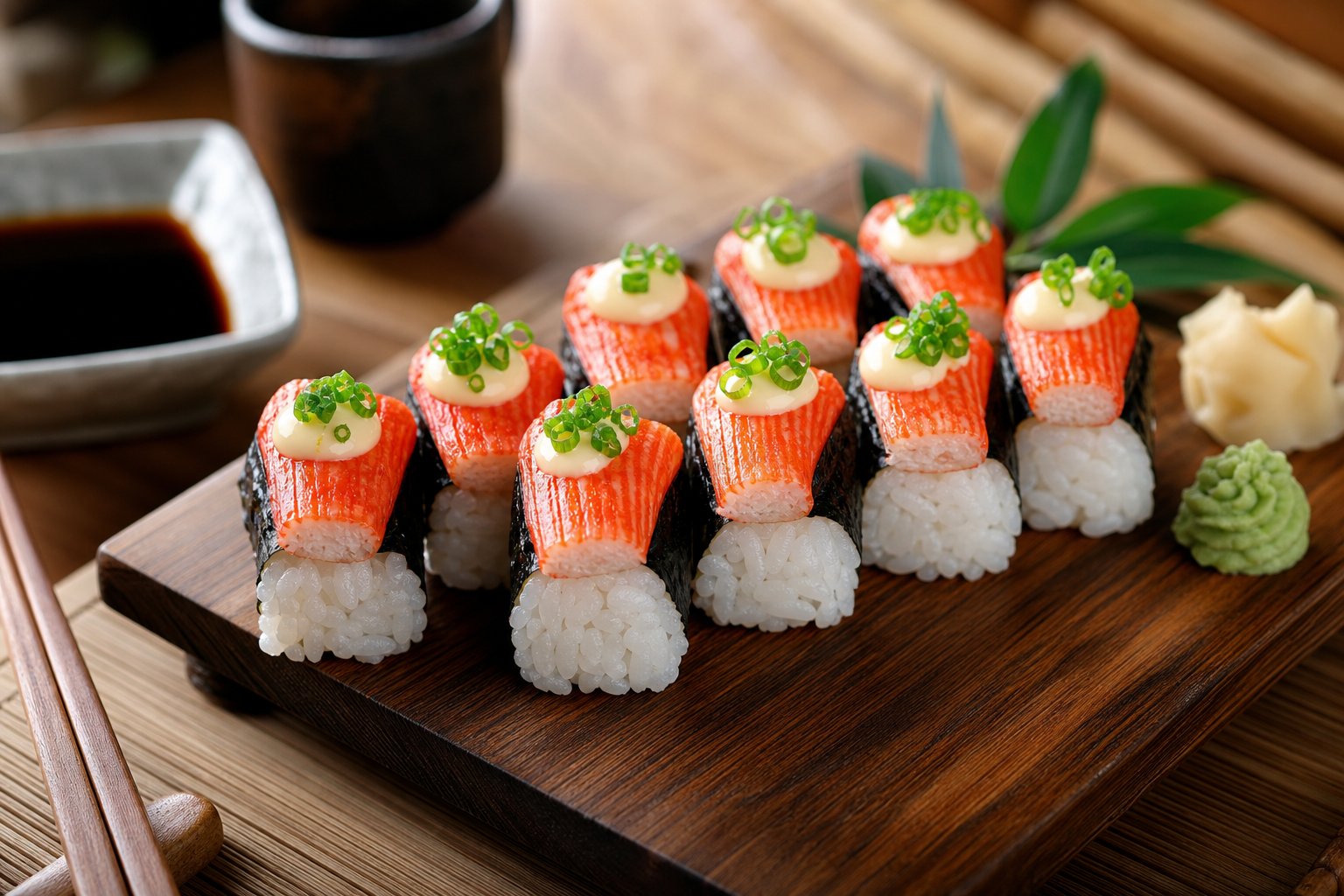
The confusion around kani comes from how widely imitation crab meat has become in sushi culture. This fish-based substitute offers a sweet, mild flavour and costs far less than genuine crab.
Whether you’re ordering a spicy kani roll or a simple kani maki, understanding what’s actually in your sushi helps you make better choices. This guide covers everything you need to know about kani sushi, from the different types of crab used to popular variations and creative preparations.
You’ll learn how to spot the difference between real and imitation crab, discover nutritional facts, and explore the history behind this beloved sushi ingredient.
Key Takeaways
- Kani means crab in Japanese, but most kani sushi contains imitation crab made from processed white fish paste
- Popular kani sushi variations include spicy kani rolls, California rolls, and kani salad, all featuring the sweet and mild flavour of crab or its substitute
- Real crab offers more protein and nutrients than imitation crab, though surimi remains an affordable and widely used option in sushi restaurants
Understanding Kani: Real Crab vs Imitation Crab
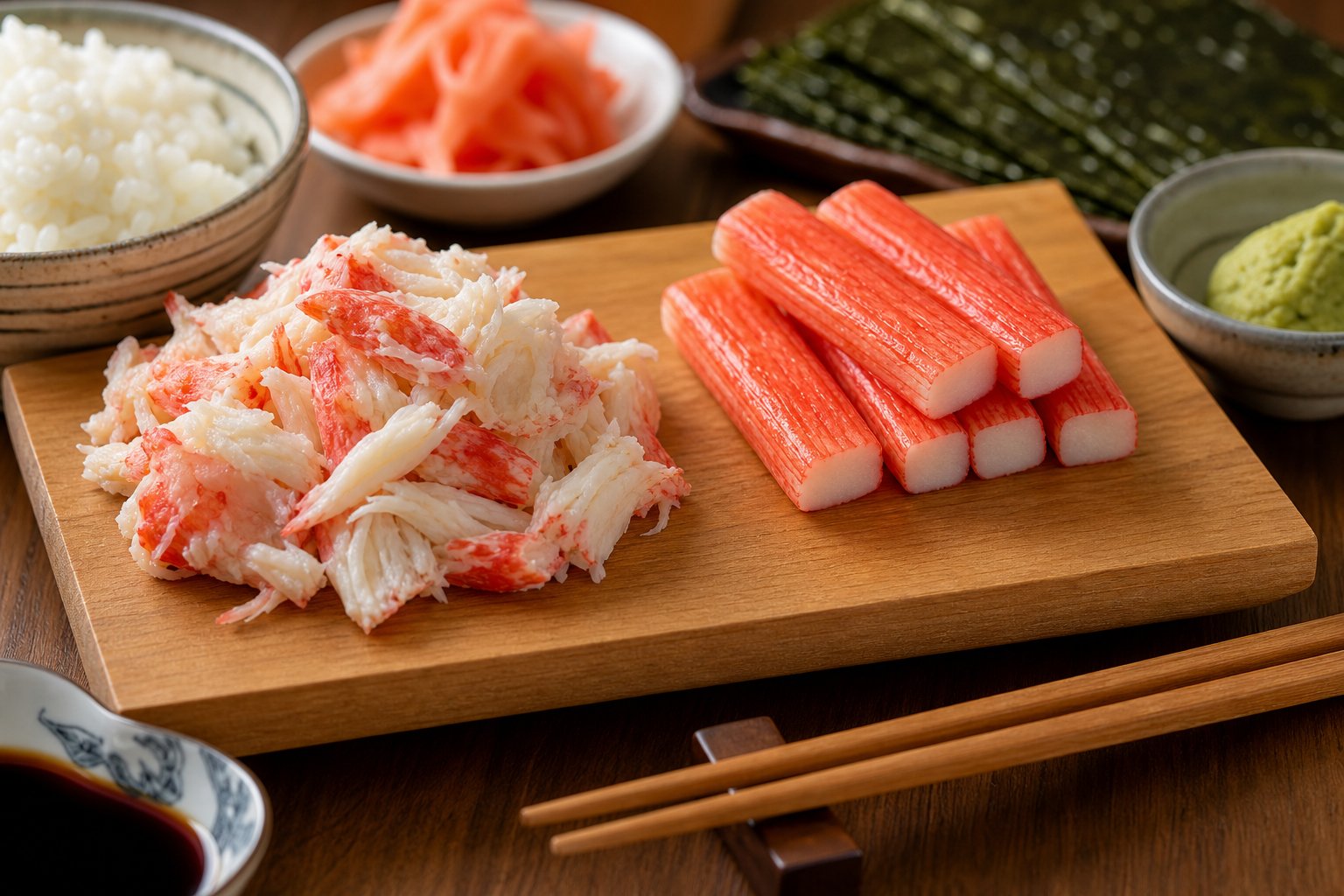
The word “kani” means crab in Japanese, but what you’re actually eating at most sushi restaurants is likely kanikama, a processed seafood product made from white fish rather than actual crab meat. The distinction between real crab and imitation crab affects everything from flavour and texture to price and nutritional value.
Origin and Definition of Kani
Kani simply translates to “crab” in Japanese. When you see it on a sushi menu, it refers to any sushi preparation that contains crab as the main ingredient.
The confusion comes from the fact that most restaurants use the term kani without specifying whether they’re serving real crab or imitation crab. In Japanese cuisine, real crab is often called “hon-kani” to distinguish it from kanikama.
Kanikama was developed in Japan during the 1970s as a response to rising crab prices. The product spread rapidly because it offered consistent quality, required no special handling, and cost significantly less than genuine crab meat.
Today, most kani sushi outside Japan uses kanikama. If your sushi roll costs under £10 and lists “kani” or “crab” in the description, you’re almost certainly getting imitation crab rather than the real thing.
Imitation Crab (Surimi) Explained
Imitation crab starts as surimi, a paste made from deboned white fish. Alaskan pollock is the most common fish used because it’s mild, widely available, and has a neutral white colour.
The production process involves grinding the fish into a fine paste, then washing it multiple times to remove fat and odour. This creates a protein-rich base that manufacturers can reshape and flavour.
Key ingredients in kanikama include:
- Surimi (pollock paste) as the protein base
- Starch from potato or wheat to bind the texture
- Egg white for structure and shine
- Salt and sugar for flavour and preservation
- Red food colouring to mimic crab shell colour
- Crab flavouring extracts for taste
The mixture is heated, pressed into crab stick shapes, and given the familiar orange-red stripe. This is why kani sticks have white centres with coloured edges, unlike real crab which has consistent colouring throughout.
One important detail: kanikama often contains wheat and egg alongside fish, which triggers multiple allergen categories. If you have food sensitivities, always check the actual product label rather than relying on menu descriptions.
Real Crab Meat and Premium Sushi
Real crab meat comes from species like snow crab, king crab, or Dungeness crab. High-end sushi restaurants use genuine crab because the flavour and texture are noticeably superior.
The cost difference is substantial. Real crab can cost three to five times more than kanikama, which is why premium crab nigiri often appears at £18-25 per serving whilst standard kani rolls cost £6-12.
Signs you’re getting real crab:
- Menu specifically states “real crab,” “snow crab,” or “king crab”
- Price is significantly higher than standard rolls
- Texture pulls apart in natural fibres rather than uniform chunks
- Restaurant focuses on traditional omakase or kaiseki dining
Traditional sushi venues almost always use hon-kani when crab appears on the menu. The ingredient cost is real, but so is the difference in quality.
Real crab has a sweet, briny flavour that kanikama can’t fully replicate. The texture is fibrous and naturally pulled, similar to actual crab leg meat.
Comparing Taste and Texture
The gap between real crab and imitation crab is clear once you know what to look for. Kanikama has a mild, slightly sweet flavour with a soft, springy texture that feels processed.
Real crab delivers complex sweetness with a briny finish. The texture is fibrous and pulls apart naturally, exactly like steamed crab leg meat.
| Factor | Real Crab | Imitation Crab |
|---|---|---|
| Flavour | Sweet, briny, complex | Mild, slightly sweet |
| Texture | Fibrous, naturally pulled | Soft, slightly springy |
| Appearance | Irregular, natural colour | Uniform with red stripe |
| Cost | High (seasonal pricing) | Low (mass-produced) |
Shredded kani in salad rolls typically uses kanikama mixed with Japanese mayonnaise. The mayo masks much of the processed flavour, which is partly why kani salad remains popular even amongst people who prefer real crab in other formats.
Kanikama works well in rolls where other ingredients share the spotlight. Real crab shines in simple preparations like nigiri where nothing interferes with the natural flavour.
Key Ingredients in Kani Sushi
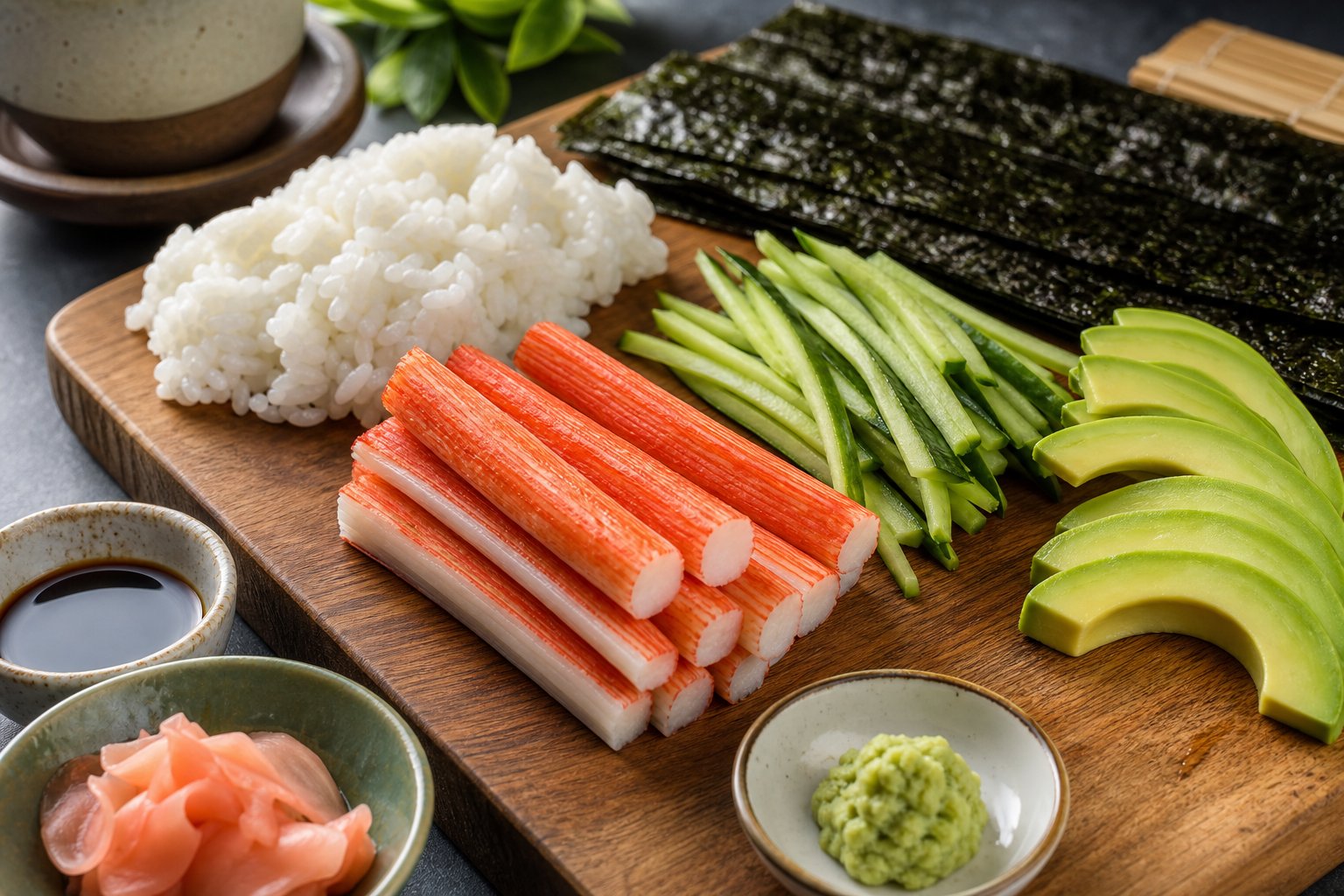
Making kani sushi requires specific ingredients that work together to create its signature taste and texture. The rice provides the base, whilst the nori holds everything together, and various sauces add flavour and moisture to each bite.
Sushi Rice and Vinegar Seasoning
Sushi rice forms the foundation of every kani roll. This short-grain Japanese rice becomes sticky when cooked, which helps it hold its shape in rolls.
The rice needs proper seasoning to taste authentic. You season it with rice vinegar mixed with sugar and salt, creating what’s called sushi vinegar.
Some people use pre-made seasoned rice vinegar to save time. The vinegar gives the rice a slightly sweet and tangy taste that balances the other ingredients.
The rice must be at room temperature when you roll it. Hot rice will make the nori soggy, whilst cold rice won’t stick together properly.
Nori Seaweed and Fillings
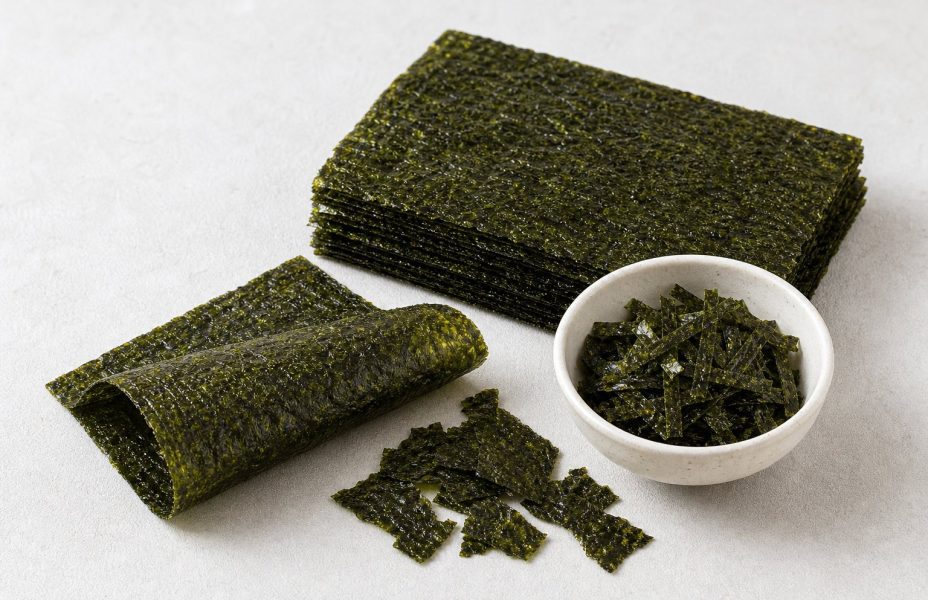
Nori seaweed wraps around the rice and fillings to hold the roll together. These thin, dried sheets have a slightly salty ocean flavour that complements the crab.
The main filling is imitation crab meat, though some restaurants use real crab. Kani rolls typically include cucumber and avocado alongside the crab for crunch and creaminess.
Cucumber adds freshness, whilst avocado provides a smooth, buttery texture. Some versions include tempura flakes for extra crunch.
Others add flying fish roe (tobiko) on top for a pop of colour and a slight crunch.
Essential Sauces and Garnishes
Spicy mayo is the most common sauce in kani sushi. You make it by mixing Japanese mayonnaise with sriracha sauce.
This creates a creamy, spicy coating for the crab mixture. Soy sauce comes on the side for dipping.
Some rolls get drizzled with extra mayonnaise or spicy mayo on top. Garnishes complete the dish.
Pickled ginger cleanses your palate between bites. Black sesame seeds or regular sesame seeds often sprinkle on top of the rice for a nutty flavour and visual appeal.
These small touches add layers of taste and make the rolls look more appealing.
Popular Kani Sushi Variations
Kani appears in numerous sushi formats, from tightly rolled maki to inside-out California rolls and cone-shaped temaki. Each variation showcases different textures and flavour combinations whilst maintaining kani as the central ingredient.
Kani Maki and Maki Rolls
Kani maki features imitation crab wrapped in sushi rice and nori seaweed, creating a straightforward rolled sushi format. The roll is assembled on a bamboo mat, where a layer of seasoned rice covers the nori sheet before kani strips are placed along the centre.
You’ll find the kani maki roll sliced into six to eight pieces, revealing the white and red kani against the rice. Maki sushi refers to any rolled sushi, and kani maki falls within this category.
The simplicity of this preparation allows the sweet flavour of kani to take centre stage. Some variations include cucumber or avocado alongside the kani for added texture and freshness.
Standard maki rolls measure about 2.5 centimetres in diameter and are eaten in one or two bites. The nori wrapper provides a slightly salty, oceanic taste that complements the mild sweetness of the imitation crab.
California Roll and Uramaki
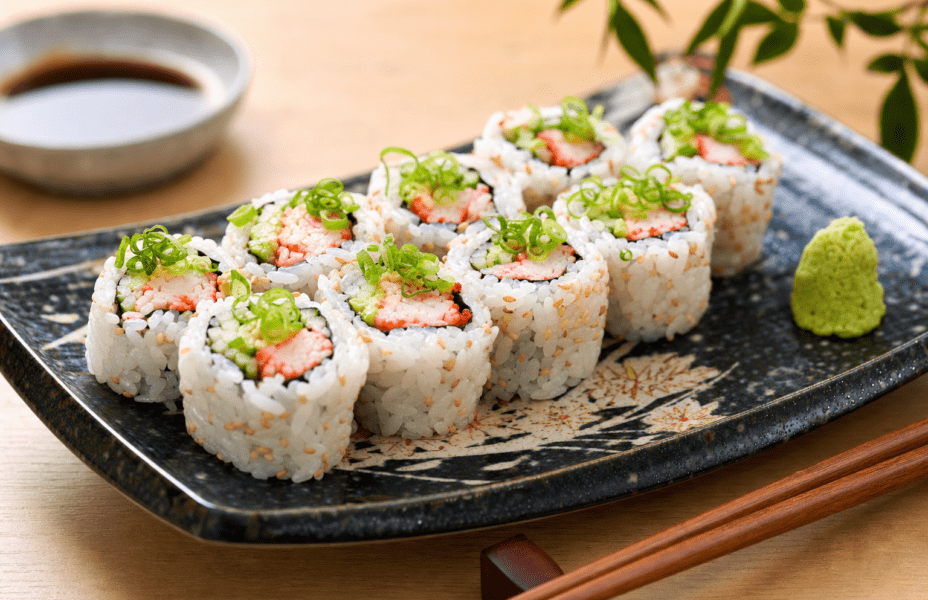
The California roll revolutionised Western sushi by featuring kani as a primary ingredient in an uramaki format. Uramaki means “inside-out roll,” where the rice sits on the outside and the nori wraps around the filling.
California rolls typically contain kani, avocado, and cucumber, often topped with sesame seeds or tobiko (flying fish roe). This roll emerged in North America during the 1960s and quickly became popular for its approachable flavours and hidden nori, which appealed to those unfamiliar with seaweed.
The creamy avocado pairs well with the sweet kani, whilst cucumber adds a refreshing crunch.
Key California Roll Components:
- Rice: Seasoned sushi rice coating the exterior
- Kani: Imitation crab as the protein
- Avocado: Adds creaminess and healthy fats
- Cucumber: Provides crisp texture
The inside-out construction prevents the nori from becoming soggy and creates an attractive presentation with visible rice grains on the outside.
Spicy Kani Rolls and Spicy Crab
Spicy kani rolls elevate the mild kani with sriracha mayo or chilli sauce, creating a bold flavour profile. The spicy kani maki combines shredded kani with spicy mayonnaise before being rolled with rice and nori.
You’ll often see these rolls garnished with additional spicy mayo drizzled across the top or served with extra sauce on the side. The spicy crab roll shares similar characteristics but may include tempura flakes for added crunch.
These crispy bits contrast beautifully with the soft kani mixture and sticky rice. Some restaurants incorporate spring onions or cucumber to balance the heat.
Both variations appeal to those who prefer stronger flavours than traditional kani maki offers. The spiciness doesn’t overpower the sweet crab taste but rather enhances it.
These rolls frequently appear on fusion menus alongside dragon rolls and rainbow rolls, which also feature kani in more elaborate presentations with multiple toppings and sauces.
Temaki, Nigiri, and Hand Rolls
Temaki sushi presents kani in a cone-shaped nori wrapper filled with rice and other ingredients. It is designed to be eaten immediately by hand.
The cone format allows you to customise each bite with varying amounts of kani, vegetables, and sauce. Hand rolls maintain their crispy nori texture for only a short time after preparation.
Kani nigiri takes a minimalist approach, draping a slice of kani over a small oblong mound of pressed sushi rice. Unlike rolls, nigiri showcases the kani’s appearance and texture without additional ingredients competing for attention.
You might find the kani secured to the rice with a thin strip of nori.
Comparison of Kani Formats:
| Style | Shape | Nori Position | Eating Method |
|---|---|---|---|
| Temaki | Cone | Outside wrapper | By hand |
| Nigiri | Oblong mound | Thin strip or none | Chopsticks or fingers |
| Maki | Cylinder | Inside or outside | Chopsticks |
These formats give you different ways to enjoy kani based on your preference for rice-to-filling ratio and presentation style.
Beyond Rolls: Creative Uses of Kani
Kani works in formats that go well beyond traditional maki rolls. It shows up in salads, baked dishes, and home cooking projects where the mild flavour and soft texture make it surprisingly versatile.
These preparations often use shredded kani mixed with seasonings or layered into dishes that don’t require rolling skills.
Kani Salad and Spicy Kani Salad
Kani salad combines shredded kani with Japanese mayonnaise, cucumber, and often tobiko (flying fish roe) for texture and colour. The standard version is mild and slightly sweet, whilst spicy kani salad adds chilli sauce or sriracha for heat.
You’ll find both versions served as appetisers in most Japanese restaurants or used as fillings in uramaki rolls. The salad format stretches the ingredient further than using whole sticks.
Basic kani salad ingredients:
- Shredded kanikama (imitation crab)
- Japanese mayonnaise (Kewpie is standard)
- Cucumber, julienned
- Tobiko or masago (optional)
- Sesame seeds
The spicy version simply adds chilli paste or hot sauce to taste. Some restaurants mix in avocado or spring onions, but the core is always shredded kani with mayo-based dressing.
Sushi Bake and Fusion Dishes
Sushi bake layers sushi rice in a baking dish, tops it with a kani salad mixture, then bakes everything until warm and slightly crispy on top. You scoop portions onto nori sheets to eat, similar to how you’d eat a hand roll.
This format became popular in the Philippines around 2020 and spread through home cooking communities because it requires no rolling technique. The dish works for serving groups and reheats reasonably well.
Beyond sushi bake, kani appears in crab rangoons (fried wontons with cream cheese and kani), poke-style bowls, and even pasta dishes in fusion restaurants. The processed texture holds up to heat better than real crab, which is why it works in baked and fried applications.
Homemade Sushi Ideas
Making homemade sushi with kani is more accessible than starting with raw fish because kanikama requires no special handling or knife skills. You can pull it into shreds or use it whole depending on your roll type.
Easy formats for beginners:
- California rolls: Kanikama, avocado, and cucumber in inside-out style
- Kani maki: Simple thin rolls with just kani and rice
- Temaki: Hand-rolled cones filled with kani salad—no bamboo mat needed
The ingredient is shelf-stable when refrigerated and costs significantly less than sashimi-grade fish. You can buy pre-shredded kani at most Asian grocers, which saves prep time if you’re making spicy kani rolls or salad-based variations.
Nutritional Profile and Health Considerations
The nutritional difference between real crab and imitation crab is significant enough to affect your daily macro targets. Imitation crab contains more carbohydrates and sodium, while real crab delivers substantially more protein and essential minerals.
Protein and Caloric Content
Imitation crab provides roughly 6-10g of protein per 3-ounce serving, whilst real crab meat delivers 15-20g in the same portion. That protein gap matters if you’re relying on sushi as a meal rather than a snack.
The caloric content varies by preparation method. A simple kani maki roll contains 150-180 calories for six pieces.
A California roll jumps to 250-350 calories for eight pieces because of the added avocado and rice. Kani salad rolls push 320-420 calories due to mayonnaise-based filling.
Imitation crab itself contains 81-87 calories per 3-ounce serving. The majority of calories in kani sushi come from rice and any added sauces, not the crab itself.
A full California roll contains approximately 350-450 calories for 12 pieces.
Omega-3, Vitamin B12, and Minerals
Real crab contains omega-3 fatty acids that support heart and brain health. Imitation crab has minimal omega-3 content because the fish paste is washed repeatedly during processing, which removes most of the fat.
Real crab is particularly rich in vitamin B12, selenium, and zinc. These minerals support immune function, thyroid health, and cellular repair.
Kanikama contains trace amounts of these nutrients but nowhere near the levels found in actual crab meat. The sodium content in both types is notable.
Imitation crab contains 450-715mg of sodium per 3-ounce serving, which is 19-31% of your daily recommended intake. Real crab also contains meaningful sodium, though the gap is smaller than most people expect.
Gluten and Allergens in Imitation Crab
Imitation crab typically contains wheat starch as a binding agent, making it unsuitable for anyone with coeliac disease or gluten sensitivity. Many brands also include egg whites for texture and glossiness.
The allergen list for kanikama often includes:
- Fish (pollock or other white fish)
- Shellfish (crab extract in some brands)
- Wheat (from starch binders)
- Egg (from egg white binders)
Restaurant menus rarely specify which allergens are present in their imitation crab. If you have seafood or gluten sensitivities, you need to ask for the actual product label or ingredient list before ordering.
Cultural Insights and History of Kani in Sushi
Kani emerged from Japanese innovation in the 1970s and has since become a staple ingredient in sushi restaurants worldwide. The development of kanikama transformed affordable fish into an accessible alternative to expensive crab meat.
Origins in Japanese Cuisine
The history of kani sushi began in Japan during the 1970s when producers faced a surplus of Alaskan pollock. Japanese food manufacturers developed a process to transform this abundant white fish into surimi, a paste that could be flavoured and shaped to resemble crab meat.
This innovation led to the creation of kanikama, which literally translates to “crab stick” in Japanese. The product quickly gained popularity in Japan because it offered the sweet taste and delicate texture of crab at a fraction of the cost.
Sushi chefs embraced kanikama as it allowed them to create affordable sushi rolls without compromising flavour. The ingredient paired well with traditional components like Japanese mayonnaise, rice vinegar, and nori seaweed.
Global Spread and Culinary Trends
Kani’s international popularity exploded with the creation of the California roll in the United States. This iconic roll combined kanikama with avocado and cucumber, wrapped in rice and nori.
The California roll introduced millions of people to sushi and established kani as a fundamental ingredient in Western sushi restaurants. Today, you’ll find kani featured in diverse sushi variations across Southeast Asia, North America, and Europe.
Chefs have developed creative preparations including spicy kani salads mixed with Japanese mayonnaise, kani nigiri, and fusion rolls that blend Eastern and Western flavours. The ingredient’s versatility and affordability have made it a permanent fixture in both traditional sushi bars and modern fusion restaurants.
Frequently Asked Questions
Kani appears in many sushi rolls as an affordable alternative to real crab, offering a mild, slightly sweet flavour that works well with rice and vegetables. Understanding what kani contains and its nutritional profile helps you make informed choices when ordering or preparing sushi at home.
How is kani used in sushi and what does it taste like?
Kani is used in various sushi formats, including maki rolls, nigiri, and hand rolls. The imitation crab meat serves as either the main filling or a complementary ingredient alongside avocado, cucumber, and other vegetables.
The taste of kani is mild and slightly sweet with a delicate seafood flavour. It has a firm yet tender texture that resembles real crab meat, making it easy to bite through when wrapped in sushi rolls.
You’ll often find kani mixed with mayonnaise in spicy rolls or served plain in traditional presentations. The neutral flavour pairs well with soy sauce, wasabi, and pickled ginger.
Is kani in sushi made from real crab or imitation seafood?
Kani typically refers to imitation crab meat rather than real crab. The word “kani” means crab in Japanese, but in sushi restaurants, it usually indicates the imitation version called kanikama.
Imitation crab is made from surimi, which is a paste created from white fish like Alaskan pollock. Manufacturers add flavourings, colourings, and other ingredients to make it look and taste like real crab meat.
Some higher-end restaurants may use real crab meat in their kani sushi. You can ask your server to clarify whether the restaurant uses genuine crab or the imitation variety.
What ingredients are typically included in a kani sushi roll?
A standard kani sushi roll contains imitation crab meat, sushi rice, and nori seaweed. These three components form the foundation of most kani rolls you’ll encounter.
Many rolls include additional fillings such as cucumber, avocado, or spring onions for extra texture and flavour. Some variations feature tempura flakes for crunch or flying fish roe for a pop of colour.
The rice is seasoned with rice vinegar, sugar, and salt to give it the characteristic tangy-sweet taste. Spicy kani rolls typically add mayonnaise mixed with chilli sauce or sriracha to the filling.
Is kani sushi safe to eat during pregnancy?
Kani sushi is generally considered safe during pregnancy because it contains cooked fish paste rather than raw seafood. The imitation crab meat has been processed and cooked, eliminating concerns about parasites or bacteria found in raw fish.
You should still check the other ingredients in your sushi roll. Some rolls may contain raw fish alongside the kani, which would make them unsuitable during pregnancy.
Be mindful of the sodium content in imitation crab meat if you’re watching your salt intake. Pregnant women should consult their healthcare provider about specific dietary choices.
Does kani sushi contain common allergens such as shellfish, fish, or gluten?
Kani sushi contains fish as its primary ingredient since imitation crab is made from white fish like pollock. This makes it unsuitable for anyone with fish allergies.
Despite being called imitation crab, kanikama sometimes contains real crab extract for flavouring. People with shellfish allergies should avoid kani sushi or carefully check the ingredient list before consuming it.
Many imitation crab products contain wheat starch or other gluten-containing ingredients as binders. If you have coeliac disease or gluten sensitivity, you’ll need to verify that the specific brand used is gluten-free.
How many calories are in a typical kani sushi roll, and is it considered healthy?
A typical kani roll containing six to eight pieces has approximately 200 to 300 calories. The exact calorie count depends on the size of the roll and additional ingredients like mayonnaise or tempura flakes.
Kani sushi provides a moderate source of protein whilst being relatively low in fat compared to other sushi options. However, imitation crab meat is processed and contains added sodium, preservatives, and artificial flavourings.
The rice contributes most of the carbohydrates in a kani roll. Kani is more processed than whole seafood options and should be enjoyed as part of a balanced diet rather than as a primary protein source.