Ever looked at a Japanese menu and wondered: what’s the real difference between sushi and sashimi? It’s a super common question, and honestly, the answer can make your dining experience way better.
The main difference is pretty straightforward: sushi always has vinegared rice, while sashimi is just thinly sliced raw fish or meat—no rice at all. This shapes everything, from how they’re made to what they taste like.
Sushi combines seasoned rice with all sorts of ingredients—fish, veggies, or even eggs—sometimes wrapped in seaweed. Sashimi, on the other hand, is all about the quality of the raw seafood, sliced just right and served on its own.
Key Takeaways
- Sushi = vinegared rice + other stuff; sashimi = just raw fish or meat, no rice
- Sushi gives you more variety (great for picky eaters), while sashimi packs more protein and omega-3s
- Both dishes are a big deal in Japanese cuisine and take serious skill to prepare
The Core Difference Between Sushi and Sashimi
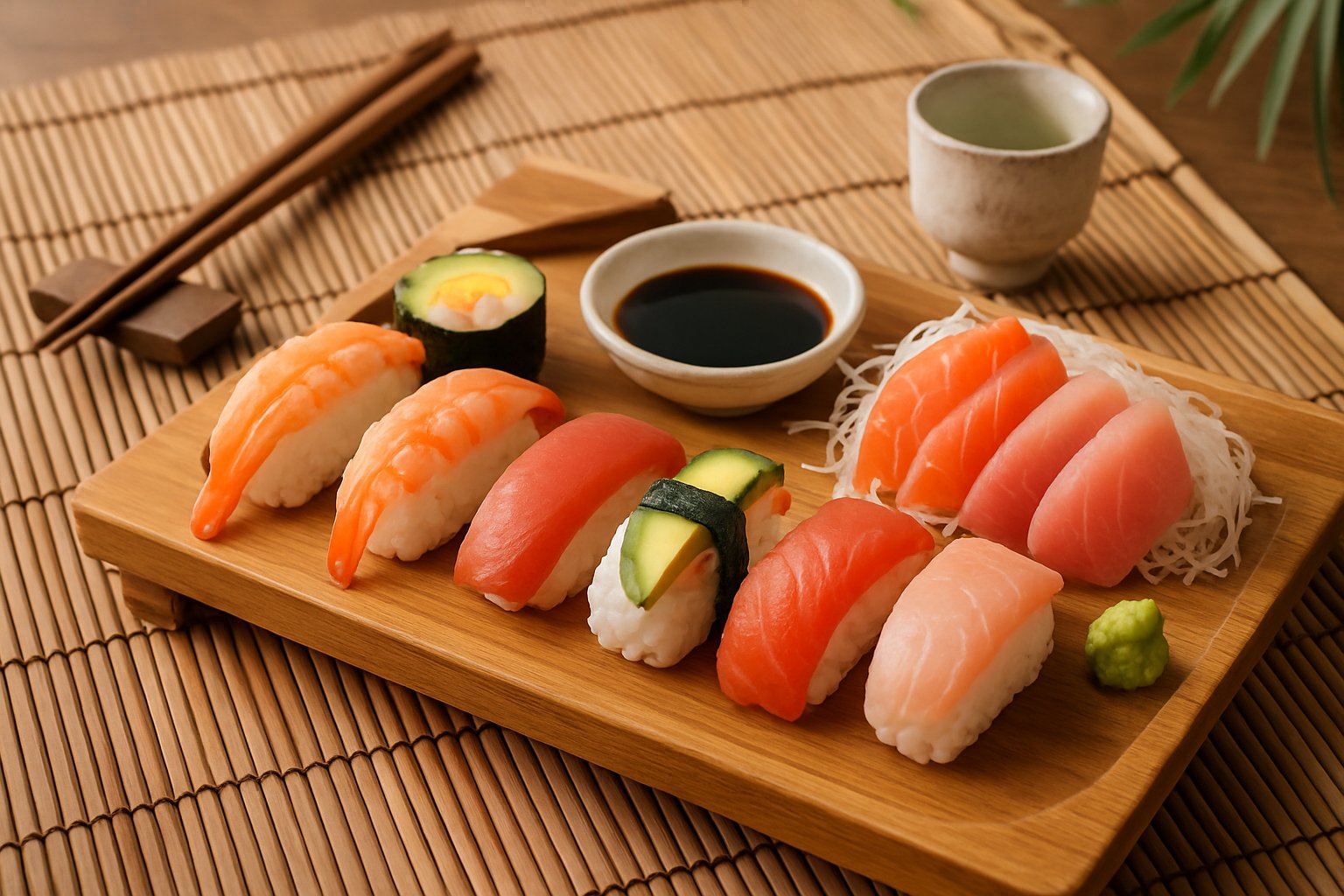
It really comes down to the rice. Sushi always includes specially prepared vinegared rice, while sashimi is just carefully sliced raw fish or meat—no rice, no extras.
Definition of Sushi
Sushi is all about the vinegared rice. Oddly enough, the word “sushi” actually refers to the rice, not the fish.
Key components of sushi include:
- Seasoned rice (shari) mixed with vinegar, sugar, and salt
- Different toppings: raw fish, cooked seafood, veggies, or egg
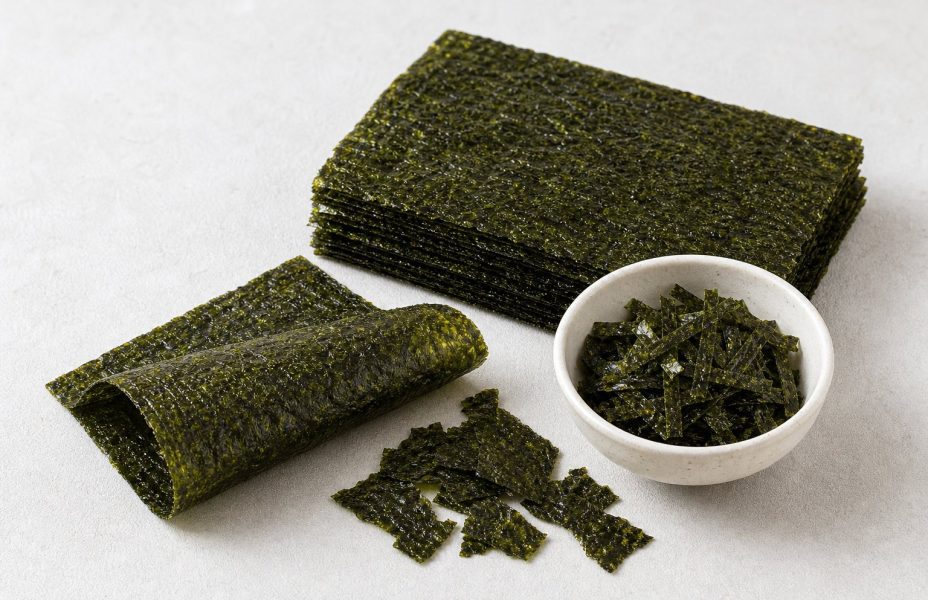
- Sometimes wrapped in seaweed (nori)
The rice brings carbs and holds everything together. That tangy flavor? All from the vinegar in the rice.
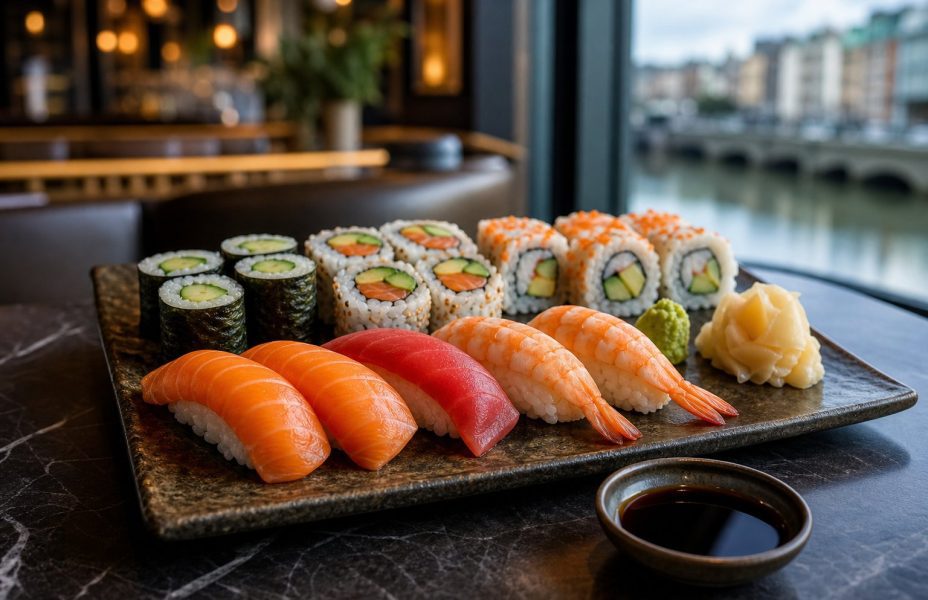
Sushi comes in forms like rolls (maki), hand-pressed pieces (nigiri), and scattered bowls (chirashi). The rice is always there, no matter the style.
Definition of Sashimi
Sashimi is just thinly sliced raw fish, seafood, or sometimes meat. The name literally means “pierced body,” which is a nod to the knife skills involved.
No rice, no extras—just the star ingredient, front and center.
Characteristics of sashimi:
- Top-quality raw fish or seafood
- Expertly sliced thin
- No rice, veggies, or sauces
- Minimal garnishes—let the fish shine
Chefs only use the freshest, best-grade fish for sashimi. It takes real skill to slice it just right and present it beautifully.
Role of Rice in Distinction
Rice is what really separates sushi from sashimi. Sushi rice gets a special vinegar mix, which gives it that signature taste.
The rice in sushi does a few things:
- Adds flavor to the toppings
- Provides carbs and makes it filling
- Gives a nice texture contrast with the fish
- Holds rolls together
Sashimi skips the rice to let the fish’s natural flavor come through. You get the pure taste of seafood, unfiltered.
Because of this, the way chefs prep each dish is totally different. Sushi needs rice skills, while sashimi is all about picking and slicing the perfect piece of fish.
Typical Ingredients and Variations
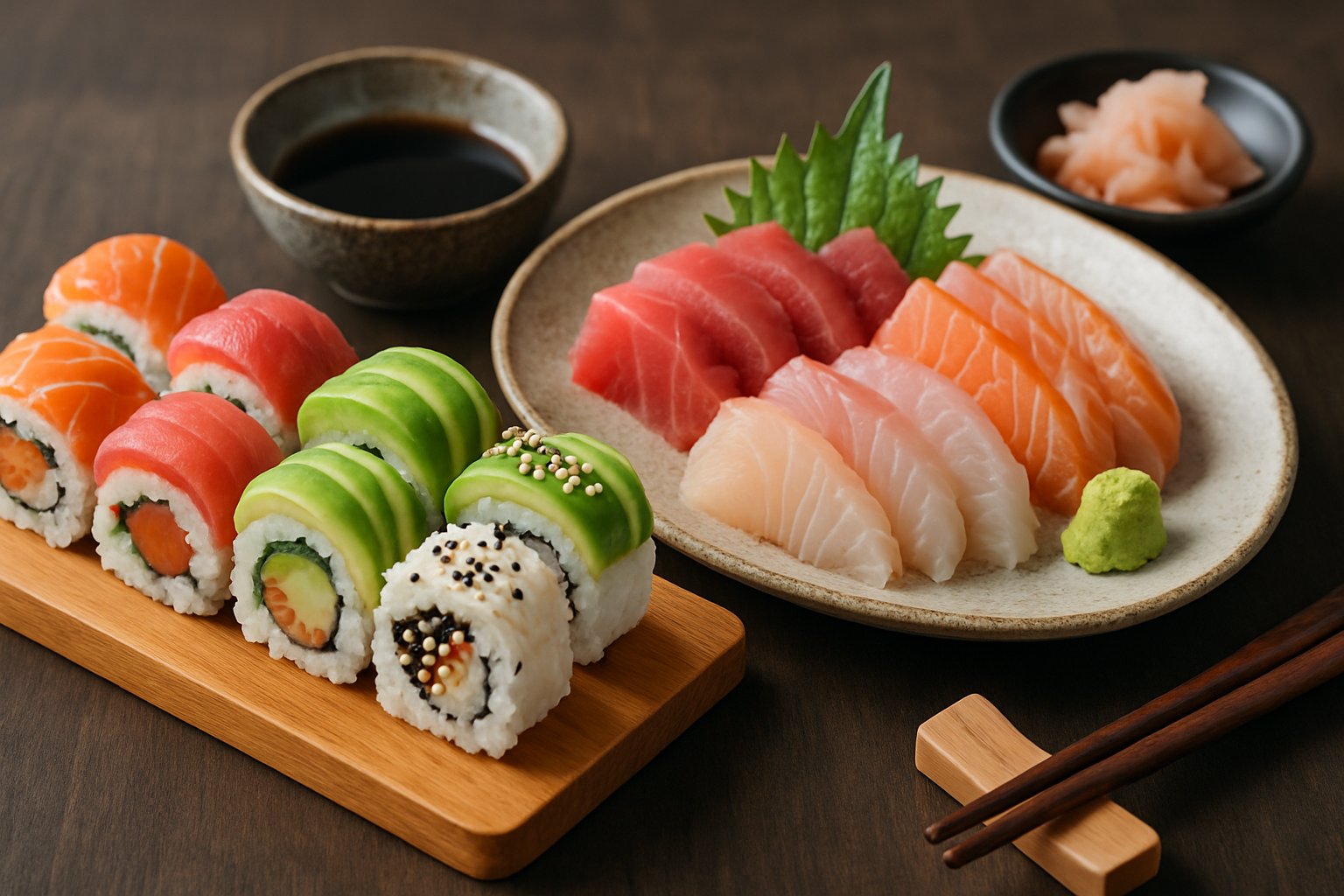
Sushi and sashimi might use some of the same proteins, but their ingredient lists are wildly different. Sushi always needs rice and sometimes veggies, while sashimi is just about the fish.
Common Proteins and Seafood Used
Most of the time, both dishes feature saltwater fish. Salmon and tuna (maguro) are classics—honestly, they’re hard to beat.
Yellowtail (hamachi) has this buttery vibe that works in both sushi and sashimi. Saba (mackerel) is a favorite for its bold flavor, usually as nigiri or sashimi.
If you’re feeling adventurous, try uni (sea urchin) or salmon roe. They bring wild textures to the table. Octopus pops up often too, but usually cooked.
Eel is another cooked option, usually glazed for sushi rolls. And yeah, imitation crab (surimi) shows up in California rolls and similar types.
Some sushi includes cooked meat or Japanese omelet (tamagoyaki). These are perfect if you’re not into raw fish.
Vegetables and Fillings
Vegetables are a big deal in sushi, but you won’t find them in sashimi. Avocado is everywhere in modern sushi rolls—creamy and delicious.
Cucumber brings crunch and freshness, especially in maki rolls. It works well with fish or on its own in veggie rolls.
Pickled veggies like radish and carrots add tang. Tempura veggies show up in some rolls too, giving a fun texture.
Sometimes you’ll even spot tropical fruits in fusion rolls. It’s all about that colorful, eye-catching look.
Sushi Rice and Nori Seaweed
Short-grain white rice is the backbone of sushi. Chefs season it with rice vinegar, sugar, and salt for that classic sushi flavor.
The rice needs to be sticky, but not mushy—it’s a balance. Getting the temperature and seasoning right is key.
Nori seaweed wraps most maki rolls and sometimes shows up as a strip on nigiri. It adds a hint of ocean flavor and keeps things together.
Some rolls flip it, with nori inside and rice outside. Good seaweed should taste fresh and snap when you break it.
Preparation and Serving Styles
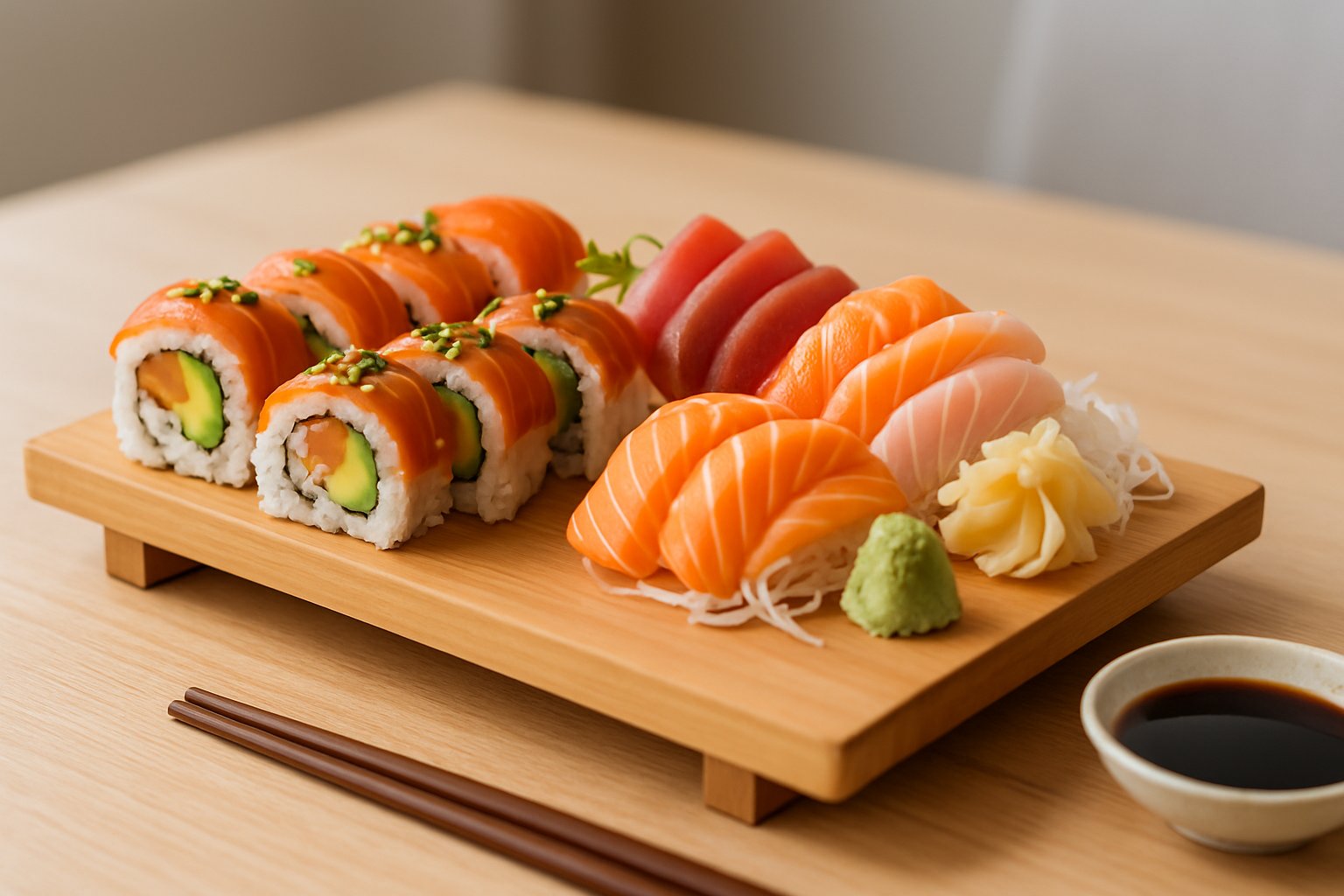
The prep and presentation for sushi and sashimi couldn’t be more different. Sushi means combining vinegared rice with other ingredients, while sashimi is all about slicing raw fish with precision.
Sushi Types and Styles
Walk into any sushi spot and you’ll probably see two main types. Maki rolls are everywhere—ingredients wrapped in seaweed, with rice on the inside or outside.
California rolls and spicy tuna rolls are crowd favorites. They’re sliced into bite-sized pieces before serving.
Nigiri is a totally different vibe. Chefs hand-shape small mounds of rice and lay a piece of fish or something else on top. Sometimes, there’s a dab of wasabi in between.
Temaki is the hand roll—cone-shaped and wrapped in seaweed, easy to eat with your hands.
Each style needs different skills. Maki uses rolling mats and sharp knives, while nigiri is all about shaping rice by hand.
Sashimi Preparation and Slicing Techniques
Making sashimi is all about knife work and handling fish the right way. Chefs use ultra-sharp knives for those thin, clean slices.
How they cut depends on the fish. Salmon gets sliced at an angle to show off its texture. Tuna usually gets straight cuts for that deep color.
Saltwater fish like yellowtail and salmon are best for sashimi since they have lower parasite risks.
Keeping the fish cold matters a lot. It stays chilled the whole time to keep it fresh and tender.
Chefs check every piece before slicing, trimming away any flaws and picking the best cuts for your plate.
Presentation and Accompaniments
Sushi comes out looking like a party—rolls arranged with colorful garnishes and all sorts of textures on display.
Usually, you’ll get pickled ginger, soy sauce, and wasabi on the side. These add flavor, but shouldn’t drown out the main event.
Sashimi is way more minimalist. Slices of fish get fanned out on a plate, maybe on a bed of daikon radish.
The whole point is to spotlight the fish’s color and texture. A touch of wasabi and soy sauce for dipping is pretty standard.
Honestly, good plating makes both dishes even more appealing.
Nutritional Profile and Dietary Considerations
Sushi has more carbs thanks to the rice, while sashimi is higher in protein and omega-3s. Depending on what you’re looking for—energy or lean protein—one might fit your diet better than the other.
Calorie Content and Macronutrients
Calories can vary a lot. A 100-gram serving of sushi usually has 150-200 calories, depending on what’s inside.
Sashimi is lighter. The same amount typically has 120-150 calories, mostly from protein and a bit of fat.
Macronutrient breakdown per 100g:
| Nutrient | Sushi | Sashimi |
|---|---|---|
| Calories | 150-200 | 120-150 |
| Protein | 8-12g | 20-25g |
| Carbohydrates | 20-30g | 0-2g |
| Fat | 2-5g | 4-8g |
Sushi’s rice gives it more carbs, so it’s more filling but packs extra calories.
Sashimi is pure protein, no added carbs. Great if you’re after something lean and satisfying.
Omega-3 Fatty Acids and Health Benefits
Sashimi packs a punch when it comes to omega-3 fatty acids. Since it’s just raw fish or seafood, you get a concentrated dose of these healthy fats with every bite.
Omega-3s play a key role in supporting heart health. They also help calm inflammation throughout the body.
Salmon and tuna are the real heavy hitters here. A single serving of salmon sashimi can give you around 1.5 to 2 grams of omega-3s, which is actually pretty impressive.
Sushi, on the other hand, delivers omega-3s only when it includes fish, but the rice and fillings dilute the amount. So, you’re getting less per mouthful compared to sashimi.
Key omega-3 benefits include:
- Reduced risk of heart disease
- Lower inflammation levels
- Improved brain function
- Better joint health
If you eat fish without rice, you really maximize the nutritional payoff. For folks looking to add more anti-inflammatory foods, sashimi stands out as a solid choice.
Suitability for Low-Carb Diets
Sashimi is basically a low-carb dream. It’s almost pure protein and healthy fat, so you don’t have to worry about blood sugar spikes.
Sushi, especially the traditional kind, can sneak in 20-30 grams of carbs per 100 grams thanks to all that vinegared rice. That adds up fast if you’re watching your carbs.
Plenty of people on low-carb or keto diets pick sashimi over sushi for exactly this reason. No rice means steadier blood sugar and energy that lasts longer.
Carbohydrate considerations:
- Sashimi: 0-2g carbs per serving
- Sushi rolls: 15-25g carbs per roll
- Sashimi doesn’t spike blood glucose
Some sushi spots swap in cauliflower rice, but honestly, if you’re strict about carbs, sashimi is still the safest bet.
The combo of protein and fat in sashimi keeps you full without loading you up on carbs like rice-based sushi does.
Cultural Origins and Evolution in Japanese Cuisine
Sushi and sashimi both go way back in Japanese food culture. Sushi started out over a thousand years ago as a way to preserve fish with fermented rice, and it’s come a long way since then.
These traditions have shifted from practical preservation to sophisticated dishes. Even as they’ve spread around the world, they’ve managed to keep that unmistakable Japanese spirit.
Historical Development
Sushi’s roots actually reach into Southeast Asia. People there first figured out how to keep fish fresh using fermented rice and salt, which let them store seafood for months.
Japan picked up this method in the 8th century. Over time, Japanese cooks tweaked the process, shortening fermentation and eventually eating the rice along with the fish.
Sashimi took a different path. It came about as a way to really let the flavor of fresh fish shine, without any rice. The name “sashimi” comes from the old habit of sticking a bit of bamboo into the fish’s tail to show what kind it was.
By the Edo period (1603-1867), sushi had already changed a lot. Chefs started using vinegared rice instead of the fermented stuff, which sped things up and gave sushi its now-classic tang.
Nigiri sushi—the hand-pressed kind—popped up in Tokyo in the 1800s. Street vendors sold these quick bites to busy city workers.
Modern Variations and Global Influence
After World War II, Japanese food started popping up all over the world. Sushi restaurants opened in big cities and adapted their menus to suit local tastes.
Western influences created new sushi varieties:
- California rolls with avocado and crab
- Philadelphia rolls with cream cheese
- Tempura-fried rolls
Sashimi, though, has mostly stuck to its roots. It’s still all about top-notch fish, though the plating can get pretty creative these days.
Japanese restaurants now mix old-school techniques with new ingredients. Chefs love to experiment, but they still respect the basics.
Technology changed the game for both dishes. Refrigeration made it possible to ship fresh fish all over the world. Special knives and gear help chefs keep things authentic, even far from Japan.
With sushi and sashimi so popular now, you’ll find a range of quality. The most traditional places stick to time-honored methods, while casual spots tweak recipes to fit local ingredients and tastes.
Frequently Asked Questions
If you’re trying to wrap your head around sushi and sashimi, it’s worth looking at the ingredients, how they’re made, and what they mean in Japanese culture. They differ in prep, nutrition, and just how many ways you can enjoy them.
How do the ingredients in sushi and sashimi differ?
Sushi always starts with vinegared rice. Toppings can be anything from raw fish and cooked seafood to veggies or egg.
Sashimi keeps it simple—just high-quality raw fish or seafood. No rice, no extras, just the fish.
Sushi rice gets its signature flavor from vinegar, sugar, and salt. That’s what gives it that little tang.
Sashimi usually features saltwater fish like tuna, salmon, or yellowtail. These are safer choices because they carry fewer parasites than freshwater fish.
What are the distinct preparation methods for sushi and sashimi?
Making sushi starts with cooking short-grain rice and seasoning it while it’s still warm. Chefs mix in the vinegar gently with wooden paddles to get that perfect texture.
From there, sushi gets shaped into rolls, pressed blocks, or hand-molded pieces. Each style takes a steady hand to balance the rice and whatever goes on top.
Sashimi is all about knife work. Chefs slice the fish into thin, even pieces to show off the texture and freshness.
Cutting sashimi right takes years of practice. You need to use the right angles and motions to keep the fish’s structure intact.
Can you explain the varieties of sushi compared to those of sashimi?
Sushi comes in all sorts of styles—maki rolls, nigiri, hand rolls (temaki), and chirashi bowls. Each type offers its own texture and vibe.
Maki rolls include thin hosomaki, thick futomaki, and the inside-out uramaki. Nori seaweed wraps them up in different ways.
Sashimi varieties depend on the fish or seafood. The usual suspects are tuna, salmon, sea bream, and mackerel.
Sashimi gets served as neat, thin slices, often with barely any garnish. The fish’s color and marbling do most of the talking.
Is there a difference in the cultural significance of sushi versus sashimi in Japan?
Sushi started as a way to keep fish fresh with fermented rice. Over time, it became the vinegared rice dish everyone knows now.
Traditional sushi is all about the balance between rice and toppings. That balance reflects Japanese values of seasonality and careful prep.
Sashimi is more about celebrating the pure quality of the fish. It’s a chance for chefs to show off their knife skills and their eye for the best seafood.
Both are important in Japanese cuisine. Sushi is more of an everyday meal, while sashimi often shows up at special or formal gatherings.
What are the nutritional differences between sushi and sashimi?
Sashimi is basically just protein, with almost no carbs, since it’s only fish. You get a concentrated hit of nutrients without extra calories from rice.
Sushi brings carbs to the table because of the rice, along with protein from the toppings. The rice bumps up the calorie count.
Both give you omega-3s if you pick fish like salmon or tuna. These fats are good for your heart and brain.
Sashimi usually has fewer calories per serving, since there’s no rice. But keep in mind, sushi and sashimi servings aren’t always the same size.
How should one properly consume sushi and sashimi to appreciate the traditional flavours?
We eat nigiri sushi in one bite. That way, you get the full balance of flavours just as intended.
Chopsticks or hands—either works, really. Some people even switch between the two depending on the mood or type.
When you dip sushi in soy sauce, try turning it upside down and dipping just the fish side. If you let the rice soak up too much sauce, it falls apart and the taste gets thrown off.
Sashimi’s a little different. Grab your chopsticks and dip each slice lightly in soy sauce, maybe with a touch of wasabi if that’s your thing.
Pickled ginger is there to cleanse your palate between different kinds. Eat it on its own, not with the sushi itself.