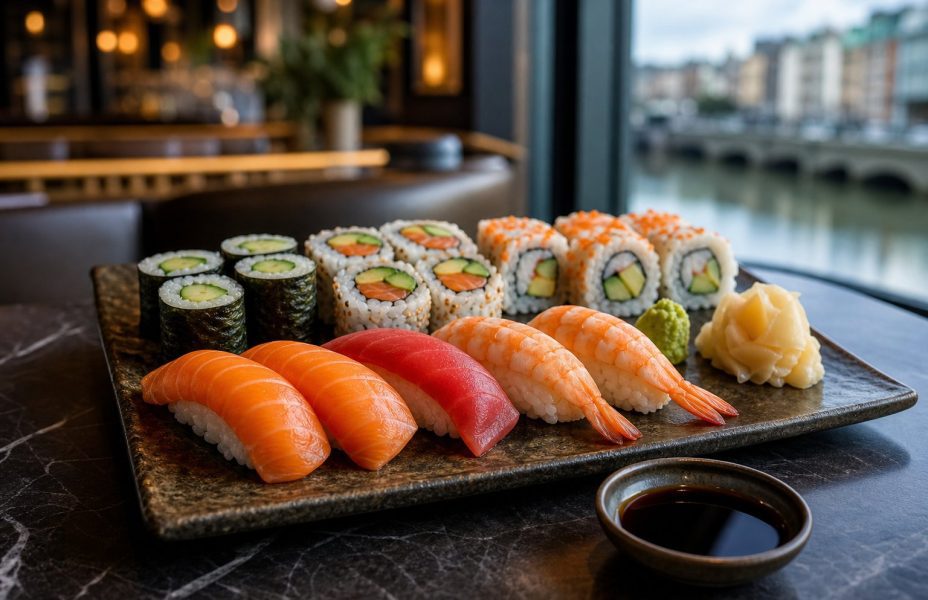
Sushi has transformed from a simple Japanese preservation method into one of the world’s most beloved cuisines. What started as a way to keep fish fresh has evolved into an art form that captures hearts and taste buds across every continent. Sushi’s fame comes from its perfect combination of fresh ingredients, health benefits, visual appeal, and the social dining experience it creates.
We can trace sushi’s global success to several key factors that make it stand out from other cuisines. The dish offers endless variety through its unique taste combinations of fresh fish, seasoned rice, and creative toppings. Its reputation as a healthy dining option packed with omega-3 fatty acids appeals to health-conscious eaters worldwide.
Our exploration will take us through sushi’s fascinating history and cultural significance in Japan. We’ll examine what makes this cuisine so universally appealing and how it has adapted to local tastes around the world. From understanding the core elements that define authentic sushi to looking at its nutritional benefits and future challenges, we’ll uncover why sushi continues to grow in popularity decades after leaving Japanese shores.
Key Takeaways
- Sushi became famous by combining fresh ingredients, health benefits, and visual appeal into a social dining experience
- The cuisine successfully adapted from its Japanese cultural roots to local tastes worldwide while maintaining its core identity
- Sushi’s continued growth faces sustainability challenges but remains popular due to its versatility and Instagram-worthy presentation
The Historical Journey of Sushi
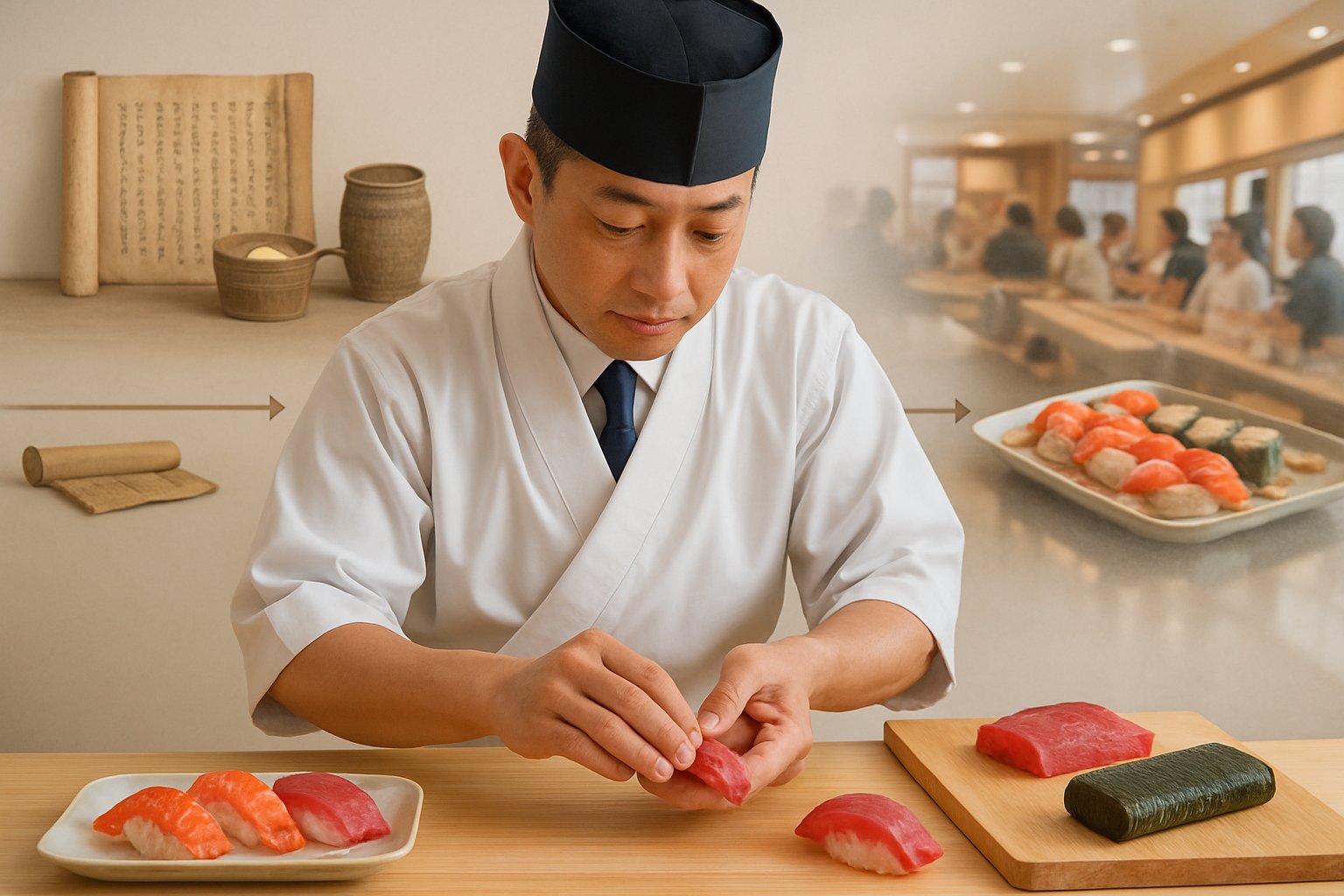
Sushi’s transformation from ancient preservation method to global cuisine spans over 2,000 years. The journey begins with fermented fish in Southeast Asia, evolves through Japan’s cultural periods, and culminates in the modern nigiri we recognize today.
Early Origins and Narezushi
The origins of sushi trace back to Southeast Asia around 500 BC. People needed ways to preserve fish without refrigeration. They discovered that fermenting fish with salt and rice created a long-lasting food source.
This preservation method called narezushi traveled from Southeast Asia to China, then reached Japan during the Yayoi period. The fermented rice served only as a preservation medium. People threw away the rice and ate only the fish.
Narezushi appeared in Japanese records by the Nara period (710-794 AD). The Yoro Code from 718 AD mentions “zakozushi,” marking the first written reference to sushi in Japan.
The fermentation process took months. Lactic acid bacteria preserved the fish and gave it a distinctive sour taste. Only nobility and wealthy people could afford this expensive preservation method.
Funazushi from Shiga Prefecture represents the closest modern example to original narezushi. We can still find this traditional fermented carp dish today.
Evolution Through the Edo Period
During the Muromachi period (1336-1573), we see the development of “namare.” This version used shorter fermentation times. People could now eat both the fish and rice together.
The Edo period brought major changes to sushi preparation. Improved vinegar production made rice vinegar accessible to common people. This led to hayazushi, which used vinegar instead of fermentation.
Hayazushi transformed sushi from preserved food to fresh, immediate meals. The vinegar provided the sour taste without waiting months for fermentation. This innovation made sushi faster and cheaper to produce.
Rice became precious during this time. People viewed it as both food and something sacred. The shift to vinegar-based preparation meant rice was no longer wasted in the fermentation process.
Street vendors in Edo (modern Tokyo) began selling various sushi types. The busy urban population needed quick, convenient food options.
The Rise of Nigiri and Modern Sushi
Hanaya Yohei invented nigiri sushi around 1824 in Edo. His innovation placed fresh seafood on hand-pressed vinegared rice. This created the nigiri style we know today.
Edo was one of the world’s largest cities with over one million residents. People worked long hours and needed fast food. Yohei’s nigiri sushi from street stalls perfectly met this demand.
The new nigiri used fresh fish from Edo Bay. Vendors added soy sauce and wasabi to appeal to local tastes. This combination became the foundation of modern sushi.
| Key Innovation | Impact |
|---|---|
| Hand-pressed rice | Faster preparation |
| Fresh fish toppings | Better taste and texture |
| Street stall service | Accessible to common people |
Nigiri sushi spread rapidly throughout Edo. It marked the shift from preservation-focused traditional sushi to cuisine-focused preparation. This transformation established the groundwork for sushi’s eventual global popularity.
The Meiji period brought refrigeration technology. This allowed for even fresher fish and expanded topping varieties beyond what Edo Bay could provide.
Core Elements That Define Sushi
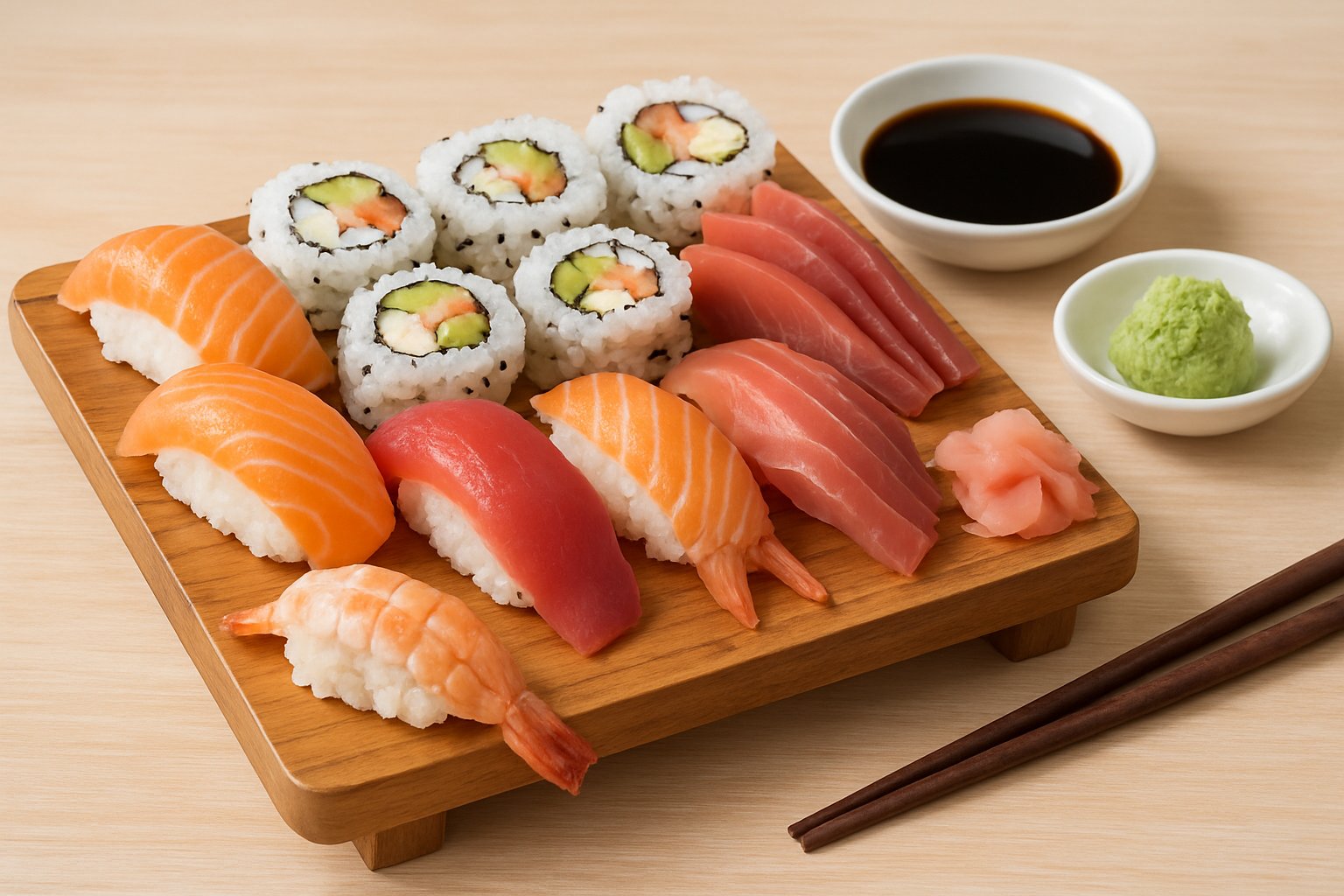
The foundation of sushi rests on three essential components: perfectly seasoned rice combined with seaweed, distinct preparation styles like nigiri and maki, and the careful selection of fresh fish that changes with the seasons.
Vinegared Rice and Seaweed
Vinegared rice forms the heart of every authentic sushi dish. We prepare this foundation using short-grain rice mixed with rice vinegar, sugar, and salt. The rice must be slightly sticky to hold its shape without becoming mushy.
Key rice characteristics:
- Temperature: Served at body temperature
- Texture: Sticky but not wet
- Flavor: Subtle tang from vinegar
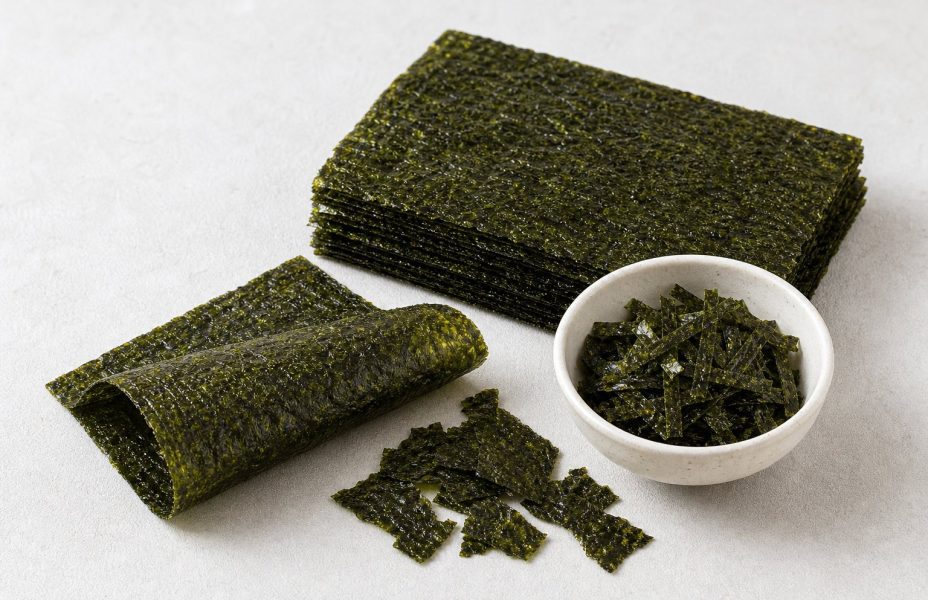
Seaweed, known as nori, wraps around many sushi varieties. This dried seaweed adds a distinct ocean flavor and creates the signature dark green exterior of maki rolls.
Nori provides important contrast to the soft rice and fish. We source high-quality nori that feels crisp and tastes clean without any fishy aftertaste.
Varieties: Nigiri, Maki, and Sushi Rolls
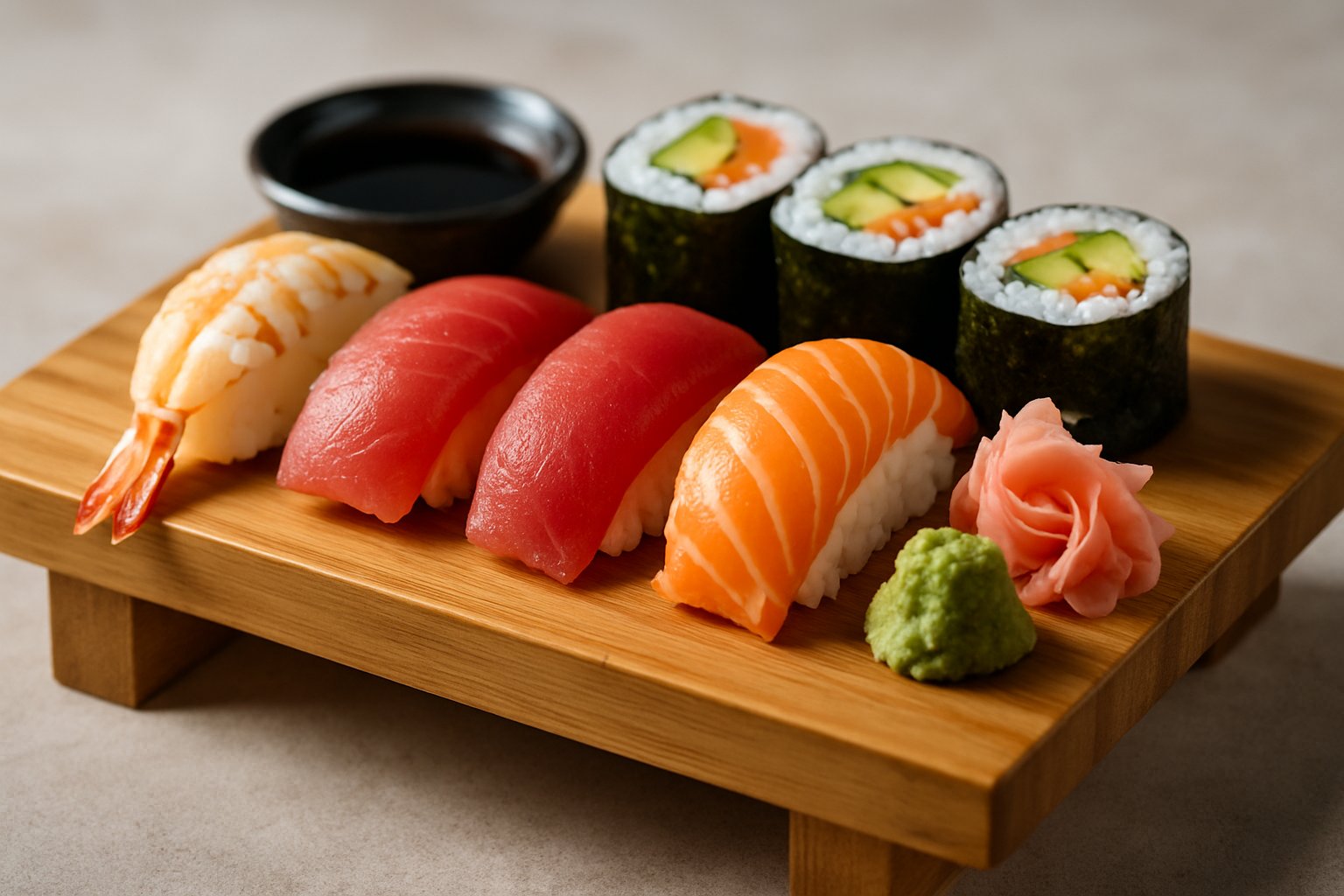
Nigiri sushi represents the most traditional form. We shape small mounds of vinegared rice by hand and top them with sliced fish or seafood. A tiny dab of wasabi often sits between the rice and fish.
Maki rolls involve wrapping rice and fillings in nori using a bamboo mat. We then slice these cylinders into bite-sized pieces. Traditional maki varieties include cucumber, tuna, and salmon rolls.
Common sushi types:
- Nigiri: Hand-pressed rice with fish topping
- Maki: Rolled sushi cut into rounds
- Temaki: Hand-rolled cone shapes
Modern sushi rolls often feature creative ingredients and inside-out preparations. These fusion styles maintain the core rice and seaweed elements while incorporating local flavors.
Role of Fresh Fish and Seasonal Ingredients
Fresh fish quality determines authentic sushi success. We select sushi-grade fish from trusted suppliers who follow strict handling procedures. The fish arrives daily and gets used within hours.
Seasonal ingredients drive traditional sushi menus. Spring brings sweet shrimp and sea bream. Summer features eel and squid. Fall offers rich salmon and mackerel. Winter provides fatty tuna and yellowtail.
Seasonal fish rotation:
| Season | Popular Fish |
|---|---|
| Spring | Sea bream, sweet shrimp |
| Summer | Eel, squid, sea urchin |
| Fall | Salmon, mackerel |
| Winter | Fatty tuna, yellowtail |
We also serve sashimi alongside sushi. These thin fish slices appear without rice, allowing the pure fish flavor to shine. Quality ingredients and expert preparation separate exceptional sushi from ordinary versions.
Temperature control keeps fish at peak freshness. We store different fish types at specific temperatures and use them in order of optimal timing.
Sushi and Its Deep Roots in Japanese Culture
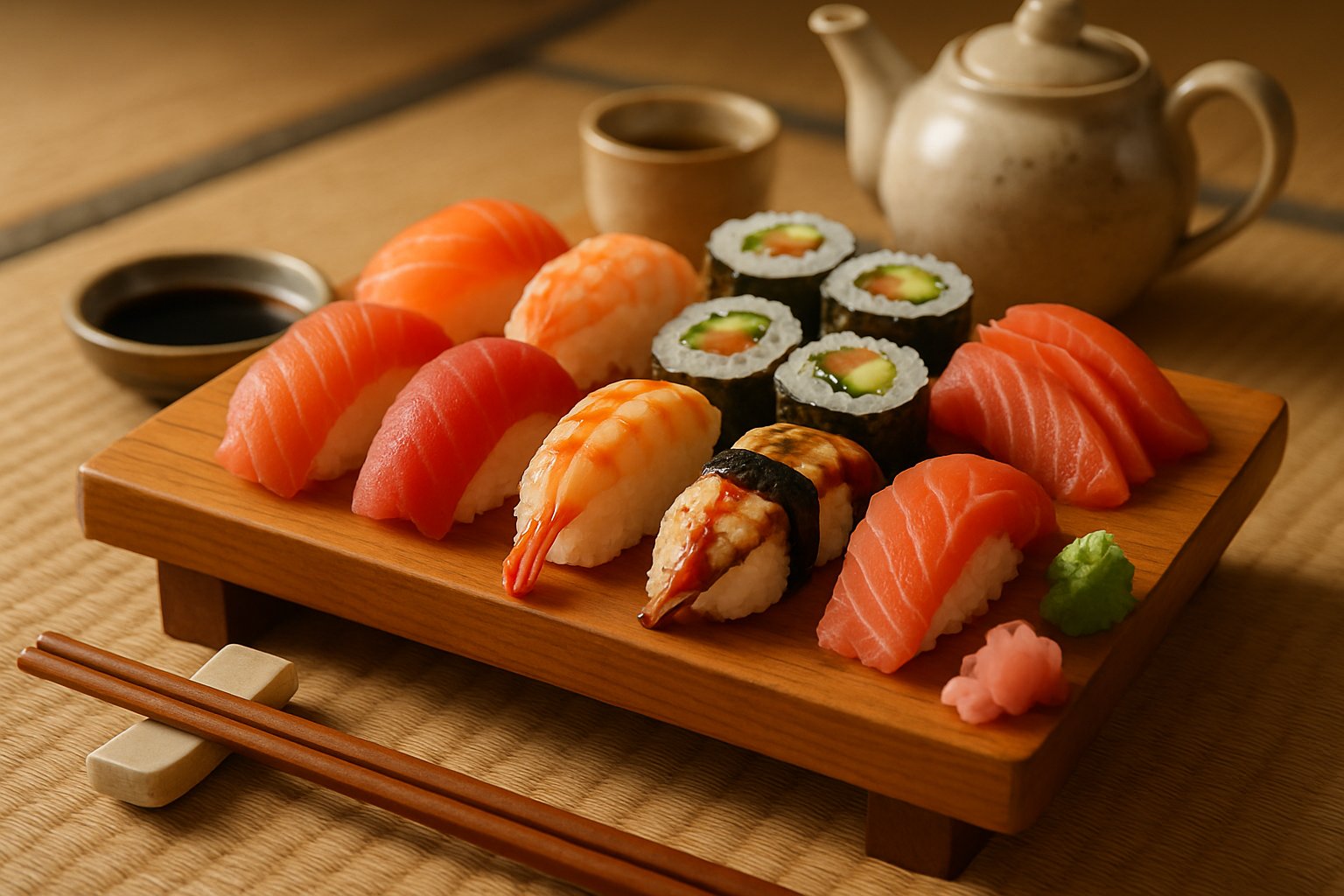
Sushi represents far more than food in Japan – it embodies centuries of artistic tradition, cultural identity, and masterful craftsmanship. The practice transforms simple ingredients into expressions of Japanese values like precision, respect for nature, and dedication to perfection.
Sushi as an Art Form
We can see how sushi transcends mere cuisine to become a symbolic representation of artistry and respect for nature. Each piece requires careful balance of flavor, texture, and visual appeal.
The presentation follows strict aesthetic principles. Colors must harmonize. Shapes need perfect proportions. Every element serves both taste and beauty.
Traditional sushi making involves seasonal awareness. We observe how master chefs select ingredients based on natural cycles. Spring brings certain fish. Summer offers different options.
The knife work alone takes years to master. Cuts must be precise. Angles matter. Temperature control affects texture.
Rice preparation demands equal skill. The grain temperature, vinegar balance, and seasoning timing all impact the final product. Each grain should maintain its individual shape while binding together.
Ceremony, Tradition, and Japanese Identity
Sushi culture deeply roots itself in Japanese dining customs that prioritize freshness and seasonality. These traditions connect modern Japanese people to their cultural heritage.
The omakase experience demonstrates trust between chef and diner. We place ourselves in the chef’s hands. This reflects broader Japanese values of respect and hierarchy.
Proper sushi etiquette includes specific rules:
- Use fingers or chopsticks appropriately
- Eat pieces in one bite when possible
- Apply soy sauce to fish, not rice
- Consume ginger between different types
The sushi counter creates intimate social connections. We sit close to the chef. Conversation flows naturally. This builds community bonds that strengthen Japanese social fabric.
Traditional sushi restaurants maintain generational knowledge. Fathers teach sons. Masters train apprentices. This preserves cultural continuity across centuries.
The Sushi Chef’s Craft
We witness how sushi chefs undergo rigorous training that can span decades. The apprenticeship system reflects Japanese dedication to mastering crafts through patient practice.
Training stages follow strict progression:
- Years 1-2: Rice washing and basic prep work
- Years 3-5: Knife skills and fish preparation
- Years 6-10: Learning to make sushi under supervision
- Years 10+: Developing personal style and expertise
The relationship between chef and ingredients shows deep respect for nature. We see how skilled practitioners can identify fish quality through touch, smell, and appearance.
Master chefs develop muscle memory through repetition. Hand movements become fluid. Timing grows instinctive. Each motion serves efficiency and tradition.
The shokunin spirit drives sushi chefs toward perfection. This concept emphasizes devotion to craft above profit. We observe chefs spending entire careers refining single techniques.
Modern sushi chefs balance tradition with innovation. They honor classical methods while adapting to contemporary tastes and available ingredients.
What Makes Sushi Universally Appealing
Sushi’s global success stems from its distinctive taste profile that balances sweet, salty, and umami elements, combined with stunning visual presentation that transforms each piece into edible art. The dish’s remarkable adaptability has allowed it to evolve across cultures while maintaining its core identity.
Unique Flavors and Umami Experience
The foundation of sushi’s appeal lies in its complex flavor profile that combines sweet, savory, and umami elements. Fresh fish provides natural umami richness while vinegared rice adds subtle sweetness and tang.
Each bite delivers multiple taste sensations. The buttery texture of salmon contrasts with the firm bite of tuna. Wasabi provides sharp heat that cleanses the palate between pieces.
Traditional accompaniments enhance these flavors further. Pickled ginger refreshes the mouth between different fish varieties. Soy sauce adds depth without overwhelming the delicate fish.
Key Flavor Components:
- Fresh fish: Natural umami and varying textures
- Seasoned rice: Sweet and tangy base
- Nori seaweed: Mineral-rich ocean flavor
- Condiments: Wasabi, ginger, and soy sauce
This Japanese dish creates a balanced eating experience that satisfies multiple taste preferences simultaneously. The combination feels both familiar and exotic to international palates.
Visual Presentation and Aesthetic Value
Sushi’s visual appeal plays a crucial role in its worldwide popularity. Each piece represents carefully crafted artistry that elevates dining into a visual experience.
Color combinations create striking contrasts. Orange salmon against white rice, deep red tuna topped with green wasabi, and yellow tamago provide natural rainbow palettes. Professional chefs arrange pieces to maximize visual impact.
Visual Elements:
- Precise knife cuts creating uniform shapes
- Strategic color placement and contrast
- Clean, minimalist plating styles
- Garnishes that complement rather than overwhelm
The presentation follows Japanese aesthetic principles of simplicity and balance. Empty space on plates allows each piece to stand out individually. This attention to visual detail makes sushi inherently photogenic for social media sharing.
Restaurant displays often feature sushi behind glass cases, showcasing the craftsmanship. This transparency builds trust and anticipation before customers even taste their selections.
Adaptability and Fusion Creations
Sushi’s flexibility has enabled its transformation across different cultures while maintaining core appeal. Local ingredients and preferences have created countless regional variations.
California rolls represent the most famous adaptation, replacing raw fish with cooked crab and adding avocado. This modification made sushi accessible to those hesitant about raw seafood. The inside-out rolling technique also appealed to Western preferences.
Popular Adaptations:
- California rolls: Cooked ingredients for cautious eaters
- Sushi burritos: Larger format for American portion expectations
- Vegetarian options: Plant-based fillings for dietary restrictions
- Fusion flavors: Local ingredients integrated into traditional formats
Modern sushi culture embraces creativity while respecting traditional techniques. Chefs experiment with local fish varieties, seasonal vegetables, and innovative sauces. These adaptations allow sushi to feel both authentic and familiar in different markets.
The basic concept of seasoned rice with fresh ingredients provides endless possibilities. This adaptability ensures sushi remains relevant across diverse food cultures and dietary preferences.
Health Benefits and Nutritional Value of Sushi
Sushi offers remarkable nutritional benefits through its combination of raw fish rich in omega-3 fatty acids and low-calorie ingredients. Modern dietary preferences increasingly favor sushi for its clean ingredients and alignment with health-conscious eating patterns.
Omega-3 Fatty Acids in Raw Fish
Raw fish in sushi provides exceptional levels of omega-3 fatty acids, particularly EPA and DHA. These essential fats support heart health and reduce inflammation throughout our bodies.
Salmon sushi delivers some of the richest natural omega-3 content available in food. Fatty fish like salmon, tuna, and mackerel contain concentrated amounts of these beneficial compounds.
The American Heart Association recommends eating fatty fish twice weekly. A typical sushi meal can easily meet this requirement while providing additional nutrients.
Key Omega-3 Benefits:
- Reduced blood pressure
- Lower heart disease risk
- Decreased inflammation
- Enhanced brain function
Raw fish also supplies vitamin D, vitamin B12, selenium, zinc, and iodine. These nutrients support immune function and metabolic processes that cooked fish often loses during preparation.
Low Calorie and Wholesome Ingredients
Sushi maintains remarkably low calorie counts while delivering high nutritional density. Traditional maki rolls contain just 20-28 calories per piece, making portion control manageable.
Calorie Breakdown:
- Vegetable maki (20g): 20 calories
- Tuna maki (30g): 29 calories
- Salmon nigiri (35g): 37 calories
- Salmon sashimi (1 oz): 36 calories
The protein content helps us feel satisfied longer since protein takes more energy to digest. Fish provides lean, complete protein essential for muscle maintenance and tissue repair.
Nori seaweed wrapping adds iodine, which supports thyroid function and metabolism regulation. This nutrient is difficult to find in most Western foods.
Rice provides quick energy while wasabi and ginger offer natural antimicrobial properties. These traditional accompaniments enhance both flavor and digestive health.
Dietary Trends and Modern Preferences
Contemporary health trends strongly favor sushi’s clean ingredient profile and minimal processing. We see increasing demand for foods that align with whole food eating patterns.
Sushi fits perfectly into various dietary approaches including Mediterranean-style eating and anti-inflammatory diets. The combination of fish, vegetables, and whole grains matches current nutritional guidelines.
Plant-based sushi options accommodate vegan and vegetarian preferences while maintaining nutritional benefits. Restaurants now offer creative vegetable combinations and tofu-based proteins.
Weight management becomes easier with sushi’s naturally portion-controlled presentation. The visual appeal and eating ritual encourage mindful consumption patterns.
Brown rice substitutions add fiber and complex carbohydrates. This modification appeals to health-conscious diners seeking blood sugar stability and increased satiety.
Modern Sushi Appeals:
- Gluten-free options with tamari instead of soy sauce
- Low-sodium preparations for heart health
- Sustainable fish choices for environmental consciousness
- Customizable ingredients for dietary restrictions
The Global Expansion of Sushi Restaurants and Sushi Bars
The transformation of sushi from a local Japanese food to a worldwide dining option happened through the rapid growth of sushi restaurants across continents. We can now find sushi bars in major cities from New York to London, creating social spaces where people gather to experience Japanese cuisine.
Sushi Restaurants Around the World
The number of sushi restaurants has grown dramatically in recent decades. We see this growth most clearly in North America and Europe, where sushi has become a billion-dollar industry.
Major cities now host hundreds of sushi establishments. In the Netherlands and Belgium alone, we find hundreds of sushi restaurants with numbers growing steadily.
Types of sushi restaurants include:
- High-end sushi bars with trained chefs
- All-you-can-eat chains
- Take-out and delivery restaurants
- Supermarket sushi counters
- Food truck operations
This variety makes sushi accessible to different budgets and dining preferences. We see the same pattern in Australia, New Zealand, and across European cities.
The growth shows sushi is not just a passing trend. Restaurant owners continue opening new locations because demand remains strong across different markets.
Sushi Bars as Social Hubs
Sushi bars serve as unique social dining spaces where we share food and experiences. The interactive nature of sushi dining makes it perfect for group meals with friends, family, or business colleagues.
We rarely eat sushi alone. The variety on the table lets people taste different options and try new combinations together.
Key social aspects include:
- Sharing plates – Multiple rolls and pieces for the table
- Interactive dining – Dipping sauces and chopstick use
- Visual appeal – Instagram-worthy presentation
- Cultural experience – Japanese dining traditions
The counter seating at traditional sushi bars creates conversation between diners and chefs. We can watch the preparation process and ask questions about ingredients and techniques.
This social element helps explain why sushi restaurants continue growing. They offer more than just food – they provide a complete dining experience that brings people together.
The Spread and Mainstreaming of Sushi
Sushi moved from exclusive restaurants to mainstream dining through several key changes. We now find sushi in grocery stores, gas stations, and airport food courts across the world.
The accessibility revolution made sushi affordable for regular consumers. What once cost high prices at fancy restaurants now appears at various price points.
Mainstream locations include:
- Supermarket refrigerated sections
- University dining halls
- Hospital cafeterias
- Airport terminals
- Shopping mall food courts
This widespread availability changed how we think about sushi. It shifted from special occasion food to everyday lunch options.
The adaptation to local tastes also helped mainstream acceptance. We see fusion rolls with ingredients familiar to regional palates, like the California roll that emerged in 1970s America.
Japanese food culture influence continues expanding globally through sushi’s success. The combination of health benefits, visual appeal, and social dining experience keeps driving growth in new markets worldwide.
Sustainability and Future Challenges
The sushi industry faces serious environmental problems that threaten its long-term survival. Overfishing has pushed some fish populations to dangerous levels, while restaurants work to find better ways to source their ingredients.
Sourcing Sustainable Fish
Sustainable sushi requires careful attention to where fish comes from and how it was caught or raised. Restaurants must consider whether the species can reproduce quickly enough to maintain healthy populations.
Many sushi chefs now work with suppliers who use responsible fishing methods. These suppliers avoid catching fish during breeding seasons and use gear that doesn’t harm other sea life.
Leading sushi restaurants internationally have started adopting sustainable practices to address these concerns. Some restaurants display information about their fish sources on menus.
Key sustainable sourcing practices include:
- Using fish from well-managed fisheries
- Choosing species with stable populations
- Supporting aquaculture operations that follow environmental standards
- Rotating menu items based on seasonal availability
Overfishing and Environmental Impact
Pacific bluefin tuna populations have dropped to just 2.6% of their historic size due to decades of overfishing. Current fishing levels are three times higher than what scientists consider sustainable.
The growing popularity of sushi worldwide has increased demand for specific fish species. The sushi market is expected to grow by $3.81 billion by 2028, which could put even more pressure on fish populations.
Traditional sushi preparation methods contribute to habitat damage and environmental problems. We need sustainable alternatives to protect ocean ecosystems.
Environmental impacts include:
- Depletion of popular fish species
- Damage to ocean habitats from fishing gear
- Disruption of marine food chains
- Increased carbon emissions from global seafood transport
Frequently Asked Questions
People often ask about sushi’s journey from ancient preservation method to global phenomenon. The answers reveal how traditional techniques, health benefits, premium ingredients, diverse varieties, and worldwide adaptation created this culinary success story.
What is the history behind the popularity of sushi?
Sushi started over 2,000 years ago as a way to preserve fish using fermented rice. This early form was called “narezushi” and looked very different from today’s sushi.
The modern sushi we know developed in Japan during the 8th century. It began as a practical food preservation method in Southeast Asia before evolving into an art form.
Sushi’s global spread really took off in the 1970s when the famous California Roll appeared in America. This adaptation made sushi more appealing to Western tastes by using cooked ingredients instead of raw fish.
The dish became a symbol of Japanese identity that influenced international cuisine. Today, sushi restaurants exist in cities worldwide, proving its lasting appeal.
How does the preparation method contribute to sushi’s fame?
The careful preparation of sushi creates a unique taste experience. Fresh fish combines with perfectly cooked rice, nori seaweed, and flavorful toppings to make each bite special.
Sushi chefs spend years learning proper techniques. The attention to detail in cutting fish, preparing rice, and presenting dishes shows true craftsmanship.
Each piece requires skill to balance flavors and textures. The rice must have the right temperature and seasoning, while fish needs precise cutting techniques.
This careful preparation makes sushi different from Western cuisines and creates an exciting new culture for people to explore.
What nutritional benefits does sushi offer to its enthusiasts?
Fresh fish in sushi provides omega-3 fatty acids that support heart and brain health. These healthy fats make sushi a smart choice for people watching their diet.
The rice gives quick energy, while seaweed adds important minerals like iodine and calcium. Most sushi contains few unhealthy fats compared to other fast food options.
Many athletes choose sushi because it’s easier to digest than heavy meals. The clean ingredients support active lifestyles without weighing people down.
Vegetarian and vegan options use avocado, cucumber, and tofu. These choices let people with different diets enjoy healthy, tasty meals.
Why does sushi often come with a higher price tag compared to other cuisines?
High-quality fish costs more than regular ingredients. Sushi chefs need the freshest seafood available, which means paying premium prices for top-grade products.
Skilled preparation takes time and training. Sushi chefs often study for years to master their craft, and restaurants must pay for this expertise.
Small portion sizes mean restaurants need higher prices per piece to cover costs. Each piece of nigiri or roll requires individual attention and careful presentation.
Import costs also add to the price. Many ingredients like specific types of fish, rice, and seaweed must come from Japan or other distant locations.
What varieties of sushi are most popular around the world?
California rolls remain the most popular sushi type in Western countries. These rolls use cooked crab, avocado, and cucumber, making them perfect for beginners.
Nigiri with salmon and tuna appeals to people worldwide. The simple combination of fish over seasoned rice shows sushi at its most basic and elegant.
Rainbow rolls and other colorful varieties attract social media attention. These photogenic dishes look beautiful on Instagram and TikTok.
Fusion varieties combine local flavors with traditional techniques. Examples include rolls with tempura shrimp, mango, or even Italian truffle in upscale restaurants.
How has the global spread of sushi influenced its fame?
Sushi restaurants keep opening in new cities around the world. The United States and Canada now have a billion-dollar sushi industry, while European cities feature multiple sushi shops.
Local adaptations help sushi appeal to different cultures. South American influences brought ceviche flavors, while European versions might include local ingredients like truffle.
Social media helped spread sushi’s visual appeal globally. The colorful, artistic presentation makes it perfect for sharing photos, creating free advertising for restaurants worldwide.