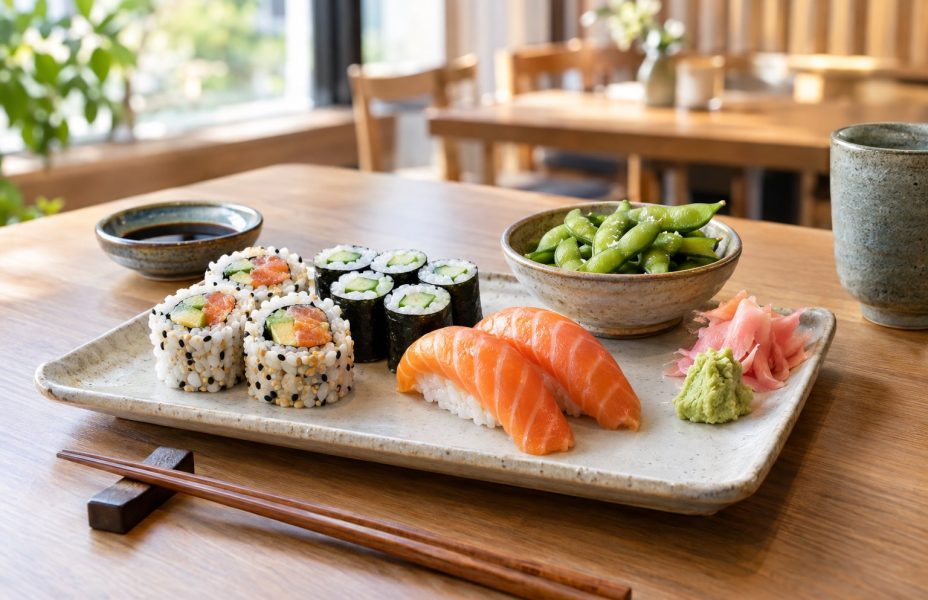
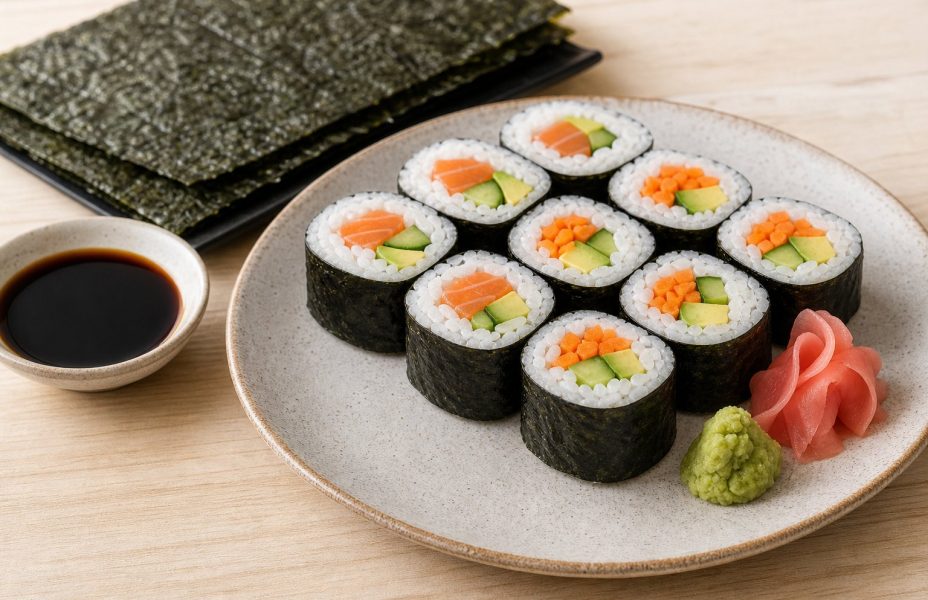
Sushi you buy today can often be eaten tomorrow, provided you chill it quickly and keep it cold. Ingredients, preparation time and any storage instructions on the pack all set how long that window lasts. Raw fish has the tightest limit, so your plan for tomorrow’s lunch starts the moment your order is ready.
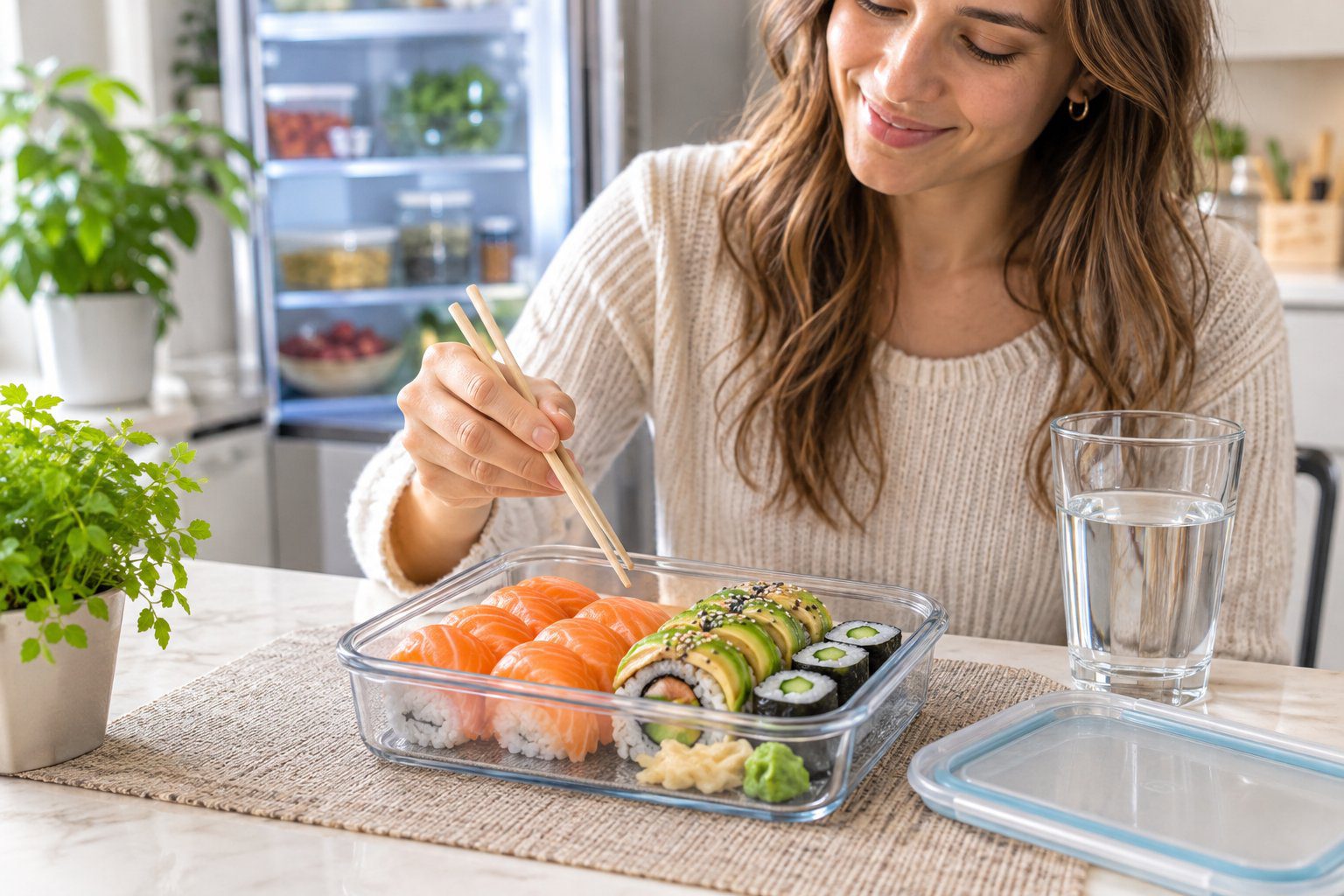
Yes, you can eat sushi the next day if it goes into a fridge at 5°C or below soon after collection or delivery, stays sealed and cold overnight, and is eaten within about 24 hours, sooner if the label or the restaurant gives an earlier time. Leftover sushi that sat out on the counter for hours is a different matter, and no fridge can fix it.
If you are planning a Dublin takeaway with half saved for tomorrow, a little planning keeps both meals enjoyable. Browse the full menu and choose rolls that travel and keep well, then order for collection when you can head straight home with it.
Key Takeaways
- Chill sushi soon after you get it and eat raw fish pieces by the next day.
- Time spent warm counts more than how the sushi looks or smells.
- Day-old rice turns firmer, which is a texture change and not a safety sign.
How Long Does Sushi Last After Purchase?
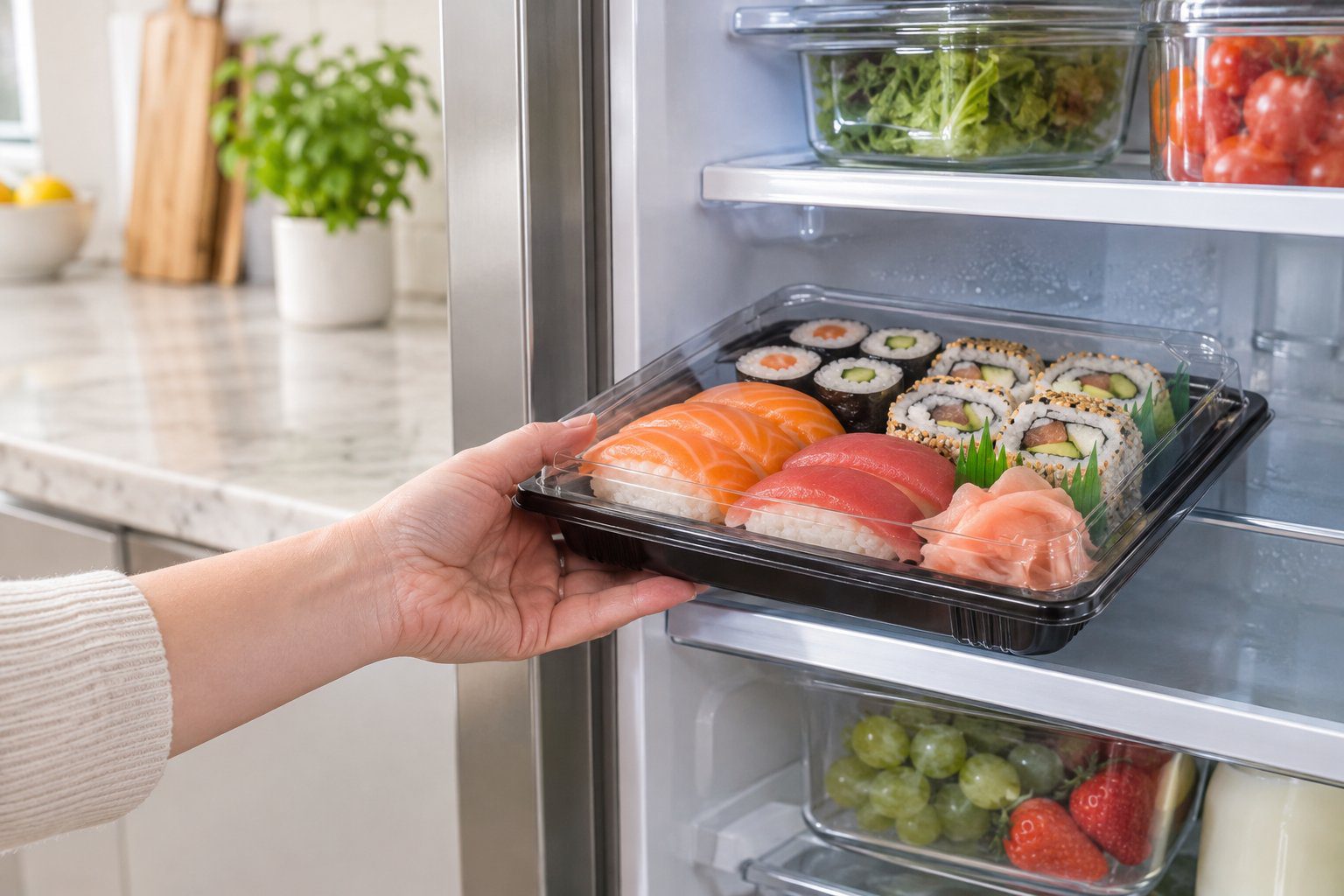
Plan on eating raw fish sushi within about a day of buying it, with cooked and vegetable rolls given only a little more slack. The pack date, the time the sushi was made and the journey home all shorten that window.
What Is the Recommended Window for Raw Fish Sushi and Sashimi?
Raw fish sushi and sashimi are best eaten the day you buy them. If you keep some back, eat it the next day and no later.
The NSW Food Authority advises that fresh fish sushi is best eaten right away and kept in the fridge for no more than a day. You will see longer figures online, such as one to two days. Those apply to plain raw seafood stored on its own. Assembled sushi is a different product, because it also holds cooked rice, sauces and fillings handled by hand.
So if you have a spicy tuna roll or salmon sashimi left over tonight, treat tomorrow’s lunch as the last call. Keep it in the fridge at work until you sit down to eat.
Do Cooked and Vegetarian Rolls Keep Longer?
Cooked and vegetarian rolls carry less risk than raw fish, but they still need the fridge. A California roll or a shrimp tempura roll has no raw fish, yet it shares the same vinegared rice, which is a food that supports bacteria when it gets warm.
Vegetable fillings bring their own limits. Avocado browns and cucumber weeps water into the rice after a night in the fridge. An avocado and cucumber roll is safe enough the next day if it was chilled fast, but it will not taste as bright.
A sensible rule for any roll is to eat it by the next day. Cooked fillings give you a little more margin if lunch slips by a few hours, not an extra few days.
How Do Use-By Dates and Preparation Times Affect Leftovers?
The earliest limit always wins. If a pack shows a use-by date or time, follow it even when general advice suggests longer.
The clock starts when the sushi is made, not when it reaches your fridge. A dietitian with New Zealand’s food safety authority notes that next-day safety depends on the retailer’s food safety practices, how long the sushi was on display, and what you do with it afterwards.
Made-to-order sushi gives you a clearer start time. With a counter pack, you rarely know how long it sat out before you picked it up.
| Type | Example | Next-day plan |
|---|---|---|
| Raw fish | Spicy tuna roll, sashimi | Eat by next lunch |
| Cooked filling | Shrimp tempura, California roll | Eat next day |
| Vegetable | Avocado and cucumber roll | Eat next day, chilled throughout |
How Should You Store Sushi Until Tomorrow?
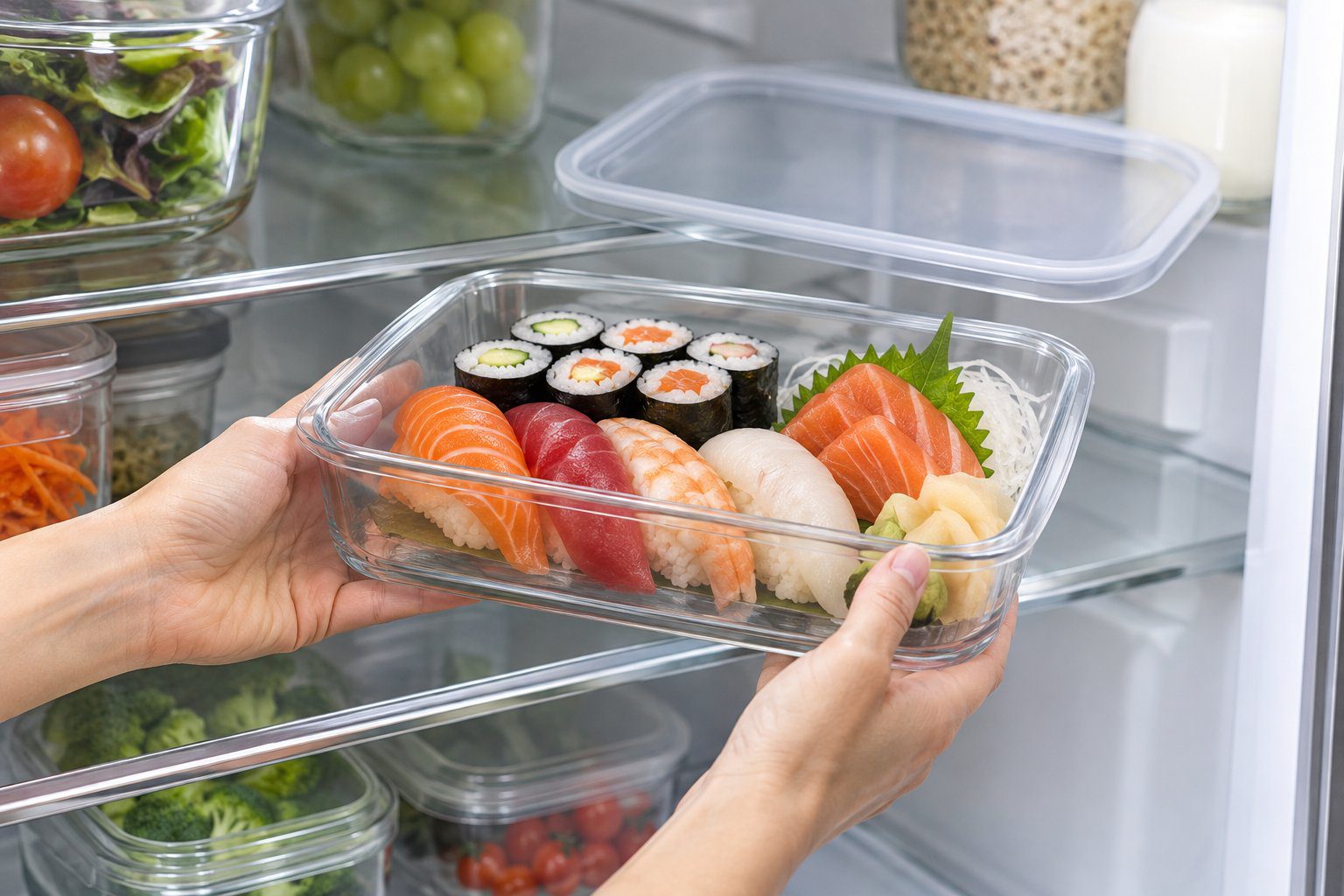
Get sushi into a cold fridge fast, in a sealed container, and keep it there until you eat. The time it spends warm on the way home and on the table counts against you.
How Long Can Sushi Stay at Room Temperature?
Aim to refrigerate any sushi you plan to keep within two hours in total out of the fridge. That total includes the trip home, time on the kitchen counter and time on the table during dinner.
Queensland’s food safety rules for sushi businesses use the “4 hour/2 hour” rule: food kept out of temperature control for less than 2 hours can go back in the fridge, between two and four hours must be eaten straight away, and four hours or more must be thrown out. The same guidance sets 5°C or below as the ideal holding temperature for all sushi.
In practice, decide what you are saving before you start eating. Box tomorrow’s portion and put it in the fridge first, then enjoy the rest.
Keeping Sushi Cold During Collection and Delivery
Travel time is part of your two-hour budget. A 20-minute walk from Richmond Street South to Rathmines is fine. A long detour with the bag in a warm car is not.
For collection, go straight home. If you are carrying it further, a cool bag with an ice pack helps. For delivery, check the estimated time on the app, and put any planned leftovers away as soon as the bag arrives.
When you order through the online ordering page, choosing a collection time that matches when you will be home avoids the food waiting around.
Choosing a Sealed Container and the Right Fridge Temperature
Move sushi into an airtight box or wrap each roll tightly in cling film before chilling. This stops the rice drying out and keeps fish smells away from other food.
Your fridge should run at 5°C or below. A cheap fridge thermometer tells you for sure, because dial settings vary. Put the sushi on a shelf toward the back, where it stays coldest, and away from the door.
Keep sauces in their own pots. Soy sauce poured over rolls soaks into the rice overnight and turns the nori soggy.
When Should You Throw Leftover Sushi Away?
Throw sushi away if it spent more than two hours out of the fridge, passed its use-by time, or is older than a day for raw fish. Those rules come before any sniff test.
Why Unsafe Storage Matters More Than Smell or Appearance
The germs that cause foodborne illness do not change how sushi smells or looks. Bacillus cereus and Staphylococcus aureus grow on rice that was not cooled quickly, and you cannot see them or smell them.
Some of these bacteria leave toxins behind that heat does not destroy. That is why a fridge or a microwave cannot rescue sushi that sat warm for too long. If you know it was left out overnight, bin it, however normal it seems.
Which Changes Suggest Spoilage Rather Than Lost Freshness?
Some changes are harmless. Firm rice, softer nori and a slightly duller colour on fish are normal after a night in the fridge.
Other signs point to spoilage, so throw the sushi out if you notice:
- a sour, sharp or strong fishy smell
- slime on the rice or fish
- mould or grey, brown patches
- a bitter or fizzy taste
These signs mean the sushi has gone off. Their absence does not prove it is safe.
Who Should Take Extra Care With Raw Fish?
Some people should skip leftover raw fish sushi altogether. That includes pregnant women, older adults, young children and anyone with a weakened immune system.
Listeria is the main worry, because it can grow slowly even at fridge temperatures. If you fall into one of these groups, choose cooked or vegetable rolls and eat them fresh.
What Should You Expect From Day-Old Sushi?
Day-old sushi that was stored well is safe to eat but less pleasant than fresh. Rice and seaweed change texture overnight, and cooked rolls handle this better than raw fish.
Why Rice Firms Up and Nori Softens Overnight
Sushi rice is at its best at room temperature. In the fridge, the starch hardens, so the grains turn firm and slightly crumbly. Nori soaks up moisture from the rice and goes chewy.
Taking sushi out of the fridge 10 to 15 minutes before eating softens the rice a little. Keep it covered and do not let it sit longer than that.
Tempura fillings lose their crunch too. A shrimp tempura roll still tastes good the next day, though the batter will be soft.
Can Reheating Improve Texture Without Compromising Safety?
Gentle reheating helps cooked or vegetable rolls only. Fifteen to twenty seconds in the microwave under a damp paper towel relaxes firm rice.
Do not try to “cook” raw fish leftovers to make them safe. Heat will not undo poor storage, and warm raw fish rarely tastes right. If you want to use up raw pieces, cook them fully the same night you ordered, such as in a quick fried rice, then chill the cooked dish.
Keep Sushi Chilled and Enjoy It Promptly
Leftover sushi can make a good lunch the next day when you treat it with care from the start. Decide what you are saving before you eat, and get it into the fridge within two hours.
A few habits cover almost every case:
- Keep sushi in the refrigerator at 5°C or below, in a sealed box.
- Eat raw fish pieces by the next day.
- Follow any earlier use-by time or restaurant advice.
- Bin anything left out overnight, even if it smells fine.
Rolls with cooked or vegetable fillings, such as shrimp tempura or avocado and cucumber, keep their appeal better overnight than delicate sashimi. If you know you want leftovers, order those for tomorrow and enjoy the raw fish tonight.
Frequently Asked Questions
Can I buy sushi tonight for lunch tomorrow?
Yes, if you chill it straight away and keep it cold until lunch. Choose cooked or vegetable rolls if you can, and keep raw fish to the next day only.
Is sushi left out overnight safe if it contains no fish?
No, vegetarian sushi left out overnight should be thrown away. The cooked rice supports bacteria that make toxins at room temperature, so the fish is not the only risk.
Does the storage clock restart when I put sushi in the fridge?
No, time spent warm adds up and never resets. The fridge slows bacteria from that point, but it does not remove what grew during the journey or on the table.
Can I freeze sushi bought today to eat later?
You can, but the result is poor. Freezing keeps sushi for several weeks, yet the rice turns hard and grainy and avocado goes mushy once thawed.
Is a flame-grilled salmon topping the same as fully cooked fish?
No, flame-grilling sears the surface and may leave the inside raw. Treat a roll like the Flamed Salmon Special as raw fish sushi and eat it by the next day.