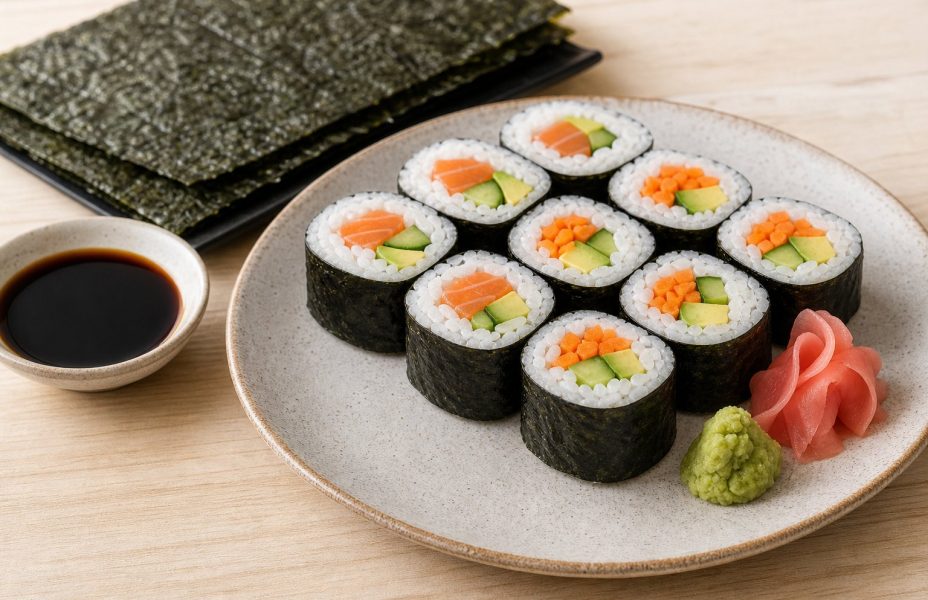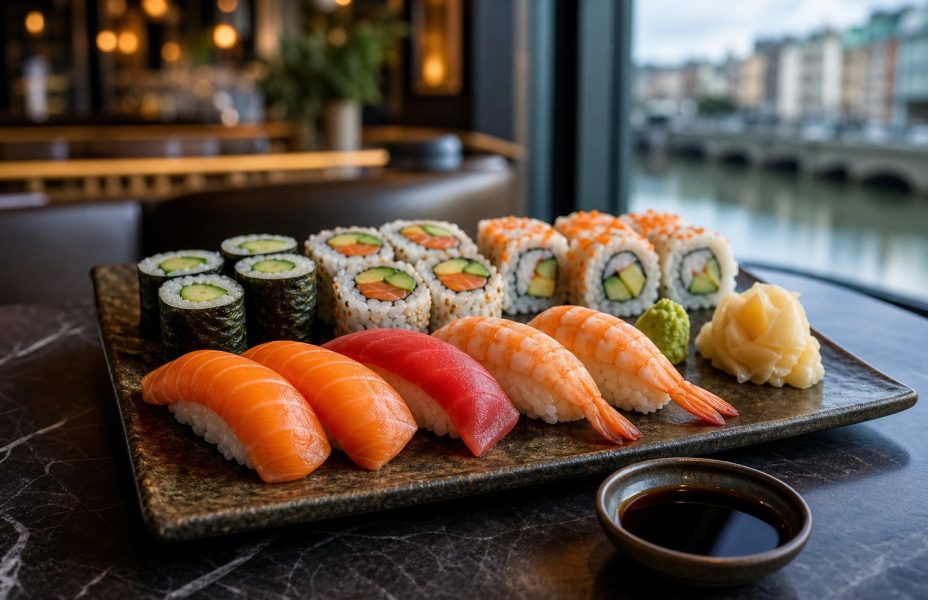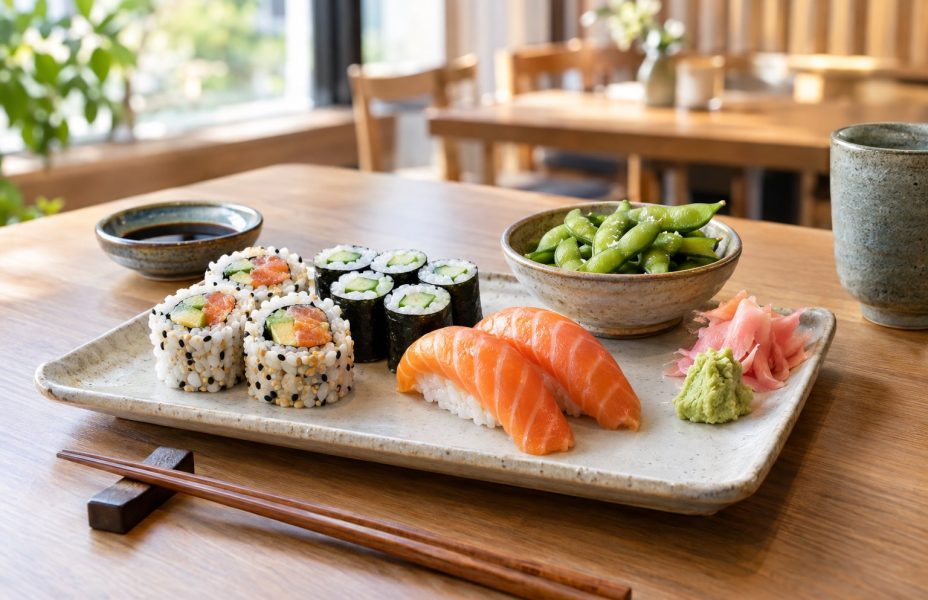
If you are unsure what to order, start with what you already like eating. For a first sushi meal, order a cucumber or avocado roll if you prefer vegetables, a California roll or shrimp tempura roll if you like cooked seafood, and one or two pieces of salmon nigiri only if you want to try raw fish. That mix gives you different textures and flavours, and you can keep raw fish out of the order entirely.
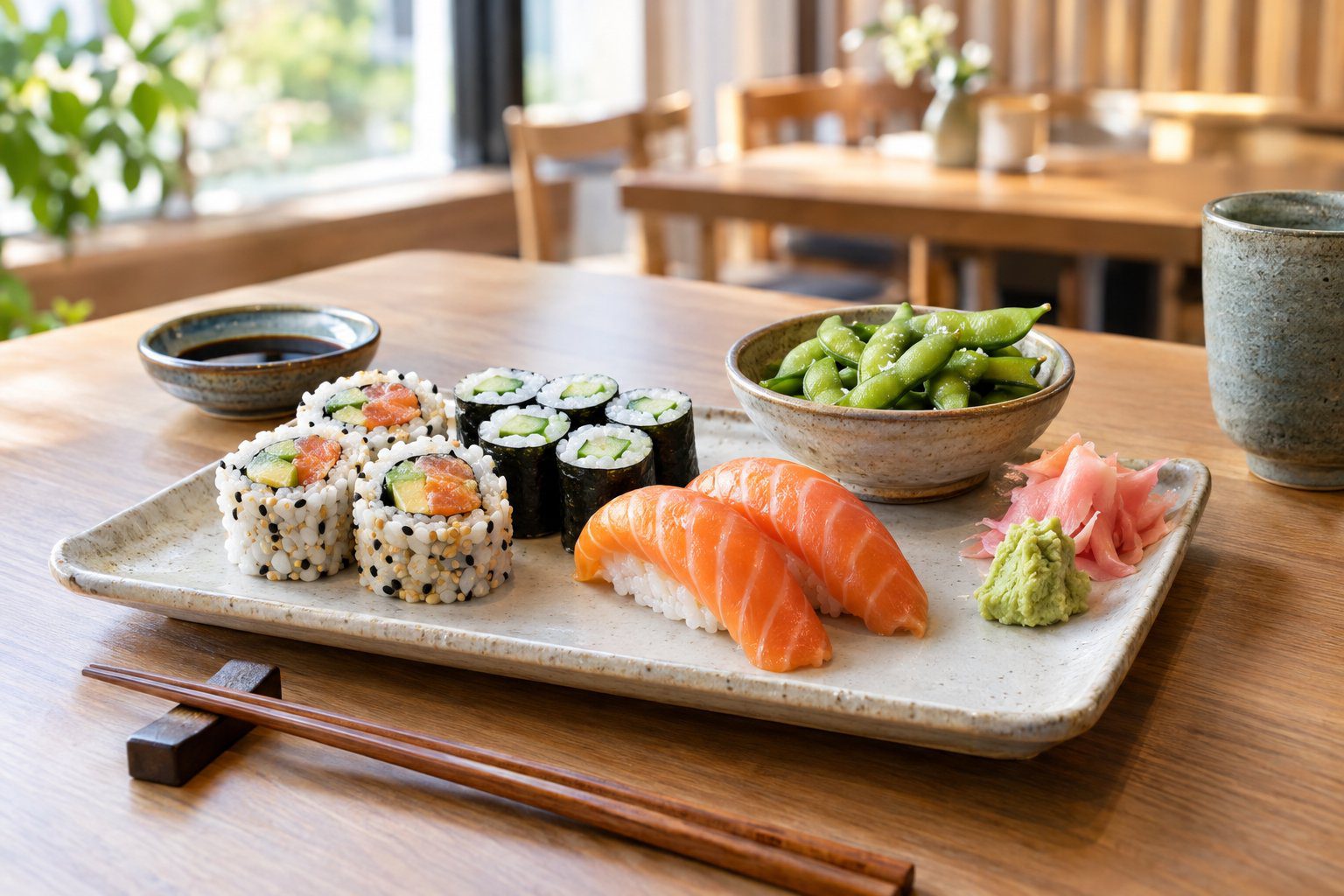
Sushi for beginners works best when you treat it as part of Japanese cuisine you can enjoy at your own pace. Many regulars order the same cooked rolls every visit, and that is a perfectly good way to eat sushi.
Once you can read a menu and know what each piece holds, you can order with confidence and skip anything that does not suit you.
Key Takeaways
- Pick rolls that match foods you already enjoy, and treat raw fish as optional.
- Learn a handful of menu words so you know what arrives at the table.
- Use soy sauce, wasabi and ginger lightly, and eat in whatever way feels comfortable.
Easy First Orders Based on What You Already Enjoy
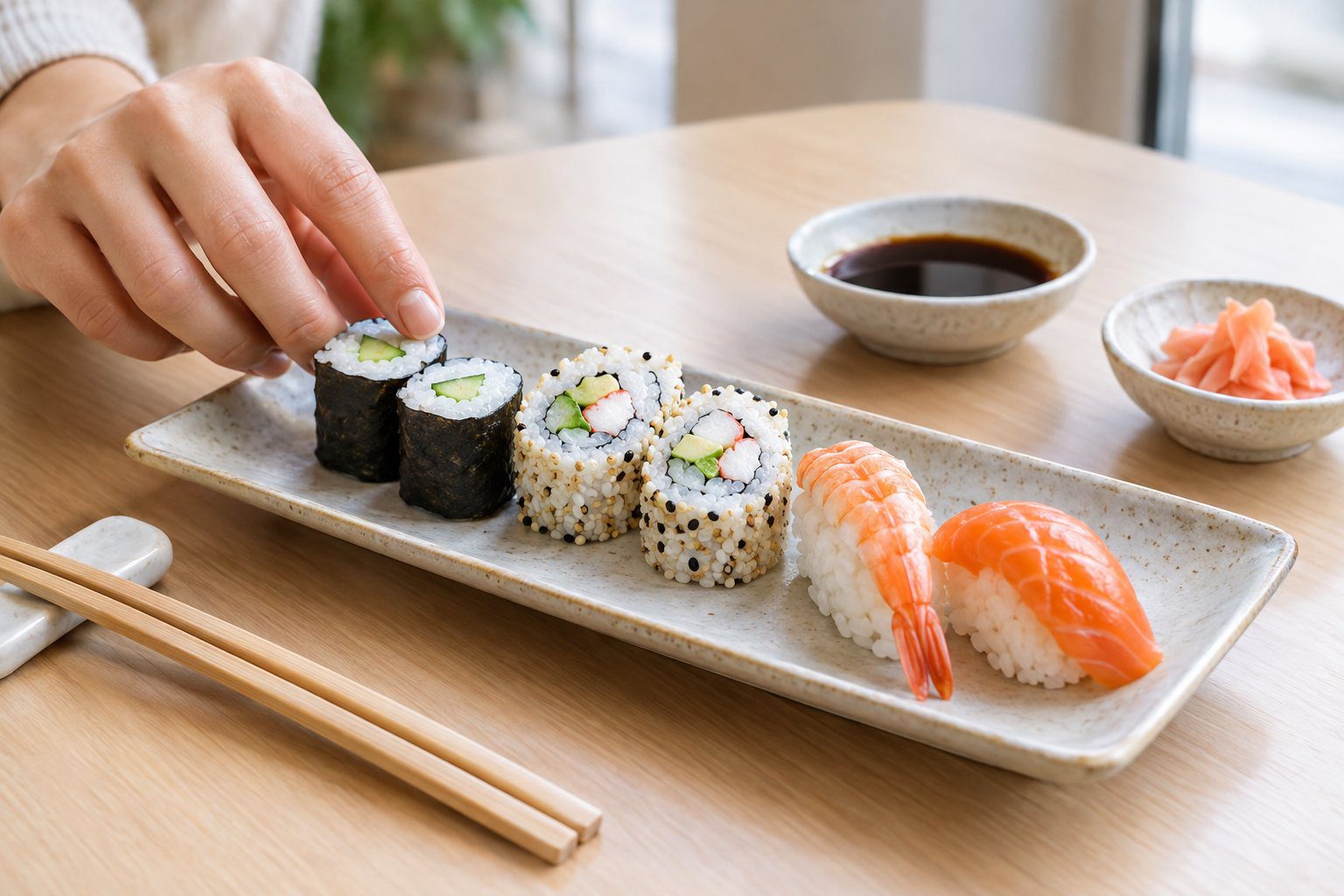
The easiest sushi rolls for beginners contain vegetables or cooked seafood, with mild flavours and familiar textures. Raw fish and spicy sauces are add-ons you can try later or skip entirely.
For Vegetables: Cucumber and Avocado Rolls
A cucumber roll (often listed as cucumber maki) is a thin roll of rice and crisp cucumber wrapped in seaweed. It tastes fresh and clean, with a gentle crunch. It contains no raw fish.
An avocado roll is softer and creamier. If you want more variety, a mixed vegetable roll might add carrot, pickled radish or pepper. Vegetable sushi makes a good base for any first order because it lets you taste the seasoned rice on its own. Restaurants with a wider range of plant-based sushi may also offer tofu or sweet potato fillings.
For Cooked Seafood: California Rolls and Shrimp Tempura
A California roll holds crab or crab stick, avocado and cucumber, with rice on the outside. It tastes mild, slightly sweet and creamy. The crab is cooked, and many versions use imitation crab, the same ingredient found in kani sushi.
A shrimp tempura roll wraps battered, fried prawn with rice and seaweed. You get a warm crunch against soft rice, and many restaurants add a sweet sauce on top. If cooked sushi appeals to you, there is plenty more to explore across cooked and raw sushi options.
For a Simple Bite: Cooked Shrimp or Egg Nigiri
Nigiri is a small block of rice with a topping pressed on top. Cooked shrimp nigiri has a firm, sweet bite. Egg nigiri (tamago) uses a slightly sweet layered omelette, a little like a soft cake in texture.
Ordering one or two pieces lets you try nigiri without committing to a full plate. Both are cooked toppings.
For Optional Raw Fish: Salmon or Tuna Nigiri
Salmon nigiri is the gentlest raw fish to start with. It feels buttery and soft, with a mild flavour. Tuna nigiri is leaner and meatier, with a deeper taste.
Order one piece of each if you are curious. If you decide raw fish is not for you, nothing is lost: you still have your rolls.
For Some Heat: What to Expect From Spicy Tuna
A spicy tuna roll mixes chopped raw tuna with a chilli mayonnaise. The heat sits at a mild to medium level in most restaurants, and the creamy sauce softens the fish texture. Keep in mind that the tuna in this roll is raw. Ask staff how hot their version is before ordering.
What Do the Main Sushi Menu Terms Mean?
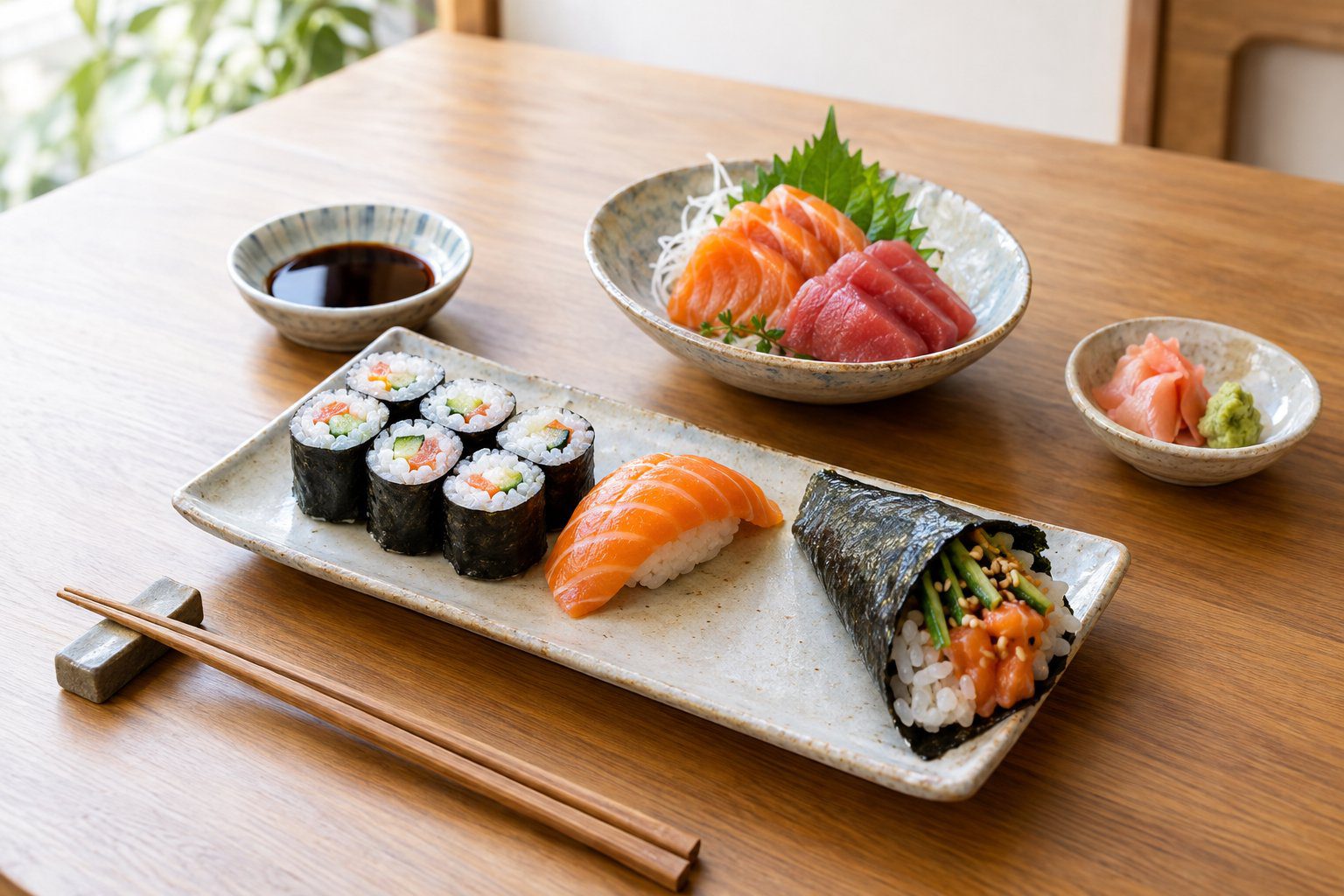
Most sushi menus use a small set of words that tell you the shape of the dish and whether it comes with rice. Learn nigiri, sashimi, maki and a few roll styles, and you can read almost any menu.
Nigiri vs. Sashimi: Rice Makes the Difference
Nigiri sushi is a hand-pressed block of rice topped with fish, seafood or egg. You can read more about nigiri and how it is made.
Sashimi is sliced fish served with no rice at all. Because sushi is defined by its seasoned rice, sashimi sits beside sushi on the menu as its own dish. It is almost always raw, so leave it off your first order if raw fish worries you.
Maki, Hosomaki, Futomaki and Uramaki: Understanding Rolls
Maki sushi means rolled sushi, cut into bite-sized rounds. A roll usually comes as six to eight pieces. The different styles of maki break down like this:
| Roll type | What it looks like | Good first pick |
|---|---|---|
| Hosomaki | Thin roll, one filling, seaweed outside | Cucumber maki |
| Futomaki | Thick roll, several fillings | Vegetable futomaki |
| Uramaki | Inside-out roll, rice outside | California roll |
Temaki and Chirashi: Hand Rolls and Sushi Bowls
Temaki sushi is a cone of seaweed filled with rice and fillings, eaten with your hands. Eat it straight away, while the seaweed is still crisp.
Chirashi is a bowl of sushi rice topped with scattered fish and vegetables. It is often raw, so check the toppings first.
Sushi Ingredients Explained: Seasoned Rice, Nori and Toppings
Sushi rice is short-grain rice mixed with rice vinegar, sugar and salt. That vinegared rice tastes lightly sweet and tangy, and it should feel sticky without being mushy. The method behind seasoning sushi rice shapes the flavour of every piece.
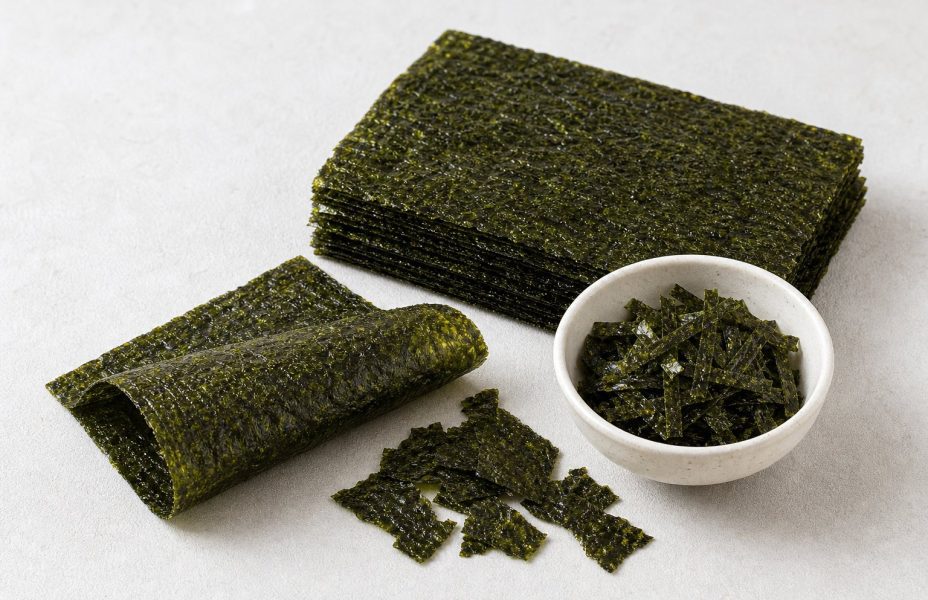
Nori is the dried seaweed sheet wrapped around rolls. It has a mild, savoury, slightly salty taste, and it is safe to eat as it comes. Tobiko are tiny fish eggs, often orange, that pop when you bite them and add a salty crunch to the outside of some rolls.
How to Plan Your First Restaurant Order
A good first visit starts with a clear menu, a modest order and a quick word with staff about anything you want to avoid. Plan for a few pieces per person, then add more once you know what you like.
Choosing a Restaurant With Clear Menus and Helpful Staff
Look for a sushi restaurant whose menu describes each roll’s fillings and marks raw items. Photos help too. Browsing a full menu online before you go lets you shortlist dishes without feeling rushed at the table.
Friendly staff will happily explain what is cooked and what is raw. If you go at a quieter time, such as an early weekday evening, you have more time to ask questions.
A Sample Starter Order and How Much to Buy
For one person, two rolls plus two pieces of nigiri makes a satisfying sushi meal. Here is a balanced starter order:
- One California roll: cooked crab, creamy, mild
- One cucumber or avocado roll: fresh, light, no fish
- One shrimp nigiri: cooked, firm, sweet
- One salmon nigiri (optional): raw, soft, buttery
For two people, share three rolls and a few nigiri, then order another roll if you are still hungry. Ordering in rounds stops you over-buying something you end up not enjoying. If you prefer to sit in and take your time, you can book a table ahead of a busy evening.
Checking Raw Ingredients, Allergens and Dietary Needs
Ask staff which items contain raw fish, even if the menu looks clear. Toppings such as seared fish or fish eggs can sit on rolls that otherwise look cooked.
Common allergens in sushi include fish, shellfish, soy, sesame, egg and wheat (in soy sauce and tempura batter). Tell your server about any allergy before you order.
Fresh sushi should smell clean, with no strong fishy odour, and the rice should feel slightly warm or at room temperature. These cues tell you about quality. Safety depends on how a kitchen sources, freezes and stores its fish, which you cannot see on the plate. Restaurants that are open about sourcing fresh sushi ingredients give you more to go on.
Green Tea, Sake or Water: Choosing a Drink
Green tea is the classic match. Its light bitterness clears your palate between pieces. Water does the same job if you prefer.
Sake is Japanese rice wine, served warm or chilled. Try a small glass if you are curious, and pick a dry, light style to keep it from overpowering mild rolls.
À la Carte vs. Omakase: Which Suits a First Visit?
À la carte means you choose each dish yourself. For a first visit, this gives you full control over raw and cooked items.
Omakase means the chef chooses for you, usually a series of raw fish nigiri. It suits a later visit once you know you enjoy raw fish. If you do try it, tell the chef about anything you would like to avoid at the start.
How Do You Eat Sushi Without Feeling Awkward?
Eat sushi in whatever way lets you enjoy it neatly, and use condiments lightly. Sushi etiquette exists to help the food taste its best, and staff in most restaurants are relaxed about how you eat.
Hands or Chopsticks: Both Can Be Appropriate
You can pick up nigiri and rolls with your fingers or with chopsticks. Both are widely accepted. Sashimi is the exception: use chopsticks for that.
If chopsticks feel tricky, hold them closer to the top for better control, or ask for a fork. When you rest them, lay them on the holder or across your plate. The common dos and don’ts of sushi etiquette are mostly about courtesy and keeping things tidy.
Using Soy Sauce and Wasabi Without Overpowering the Food
Pour a small amount of soy sauce into your dish. You can top it up later.
For nigiri, turn the piece over and dip the fish side lightly, so the rice does not soak up sauce and fall apart. For rolls, a quick dip of one edge is enough.
Wasabi is a sharp green paste with a heat that rises into your nose. Start with a tiny dab placed directly on the fish. Many chefs already add a little under the topping. Much of the green paste served outside Japan is a horseradish blend, and the story behind wasabi’s authenticity explains why.
Pickled Ginger and Daikon: What Are They For?
Pickled ginger, called gari, is the thin pink or pale slices on your plate. Eat a slice between different pieces to refresh your mouth. It works as a palate cleanser and is best eaten on its own.
Daikon is a mild white radish. You will often see it shredded under sashimi. It adds a crisp, fresh contrast, and you can eat it.
Eating Nigiri, Cut Rolls and Hand Rolls Comfortably
Nigiri is designed to be eaten in one bite. If it is too big, two bites are fine; hold it steady so the rice stays together.
Cut rolls are also one-bite pieces. Larger rolls with toppings can be eaten in two bites. Hand rolls are held like an ice cream cone, eaten from the wide end, and best finished quickly while the seaweed stays crisp.
Start With Familiar Flavours and Order More if You Like
Your first sushi meal should feel enjoyable, and the safest way to get there is to begin with flavours you already know. A cucumber or avocado roll, a California roll and a shrimp tempura roll cover vegetables, creamy textures and crunch without any raw fish.
Add salmon or tuna nigiri only if you want to. Plenty of people eat sushi for years and stick to cooked rolls, and that is a complete way to enjoy it.
Order in small rounds, ask staff which items are raw, and mention allergies before your food arrives. Keep soy sauce and wasabi light so you can taste the rice and fillings.
On your next visit, swap one familiar roll for something new, such as egg nigiri or a vegetable futomaki.
Frequently Asked Questions
Can I enjoy sushi if I do not like raw fish?
Yes. Vegetable rolls, California rolls, shrimp tempura rolls and cooked shrimp or egg nigiri all contain no raw fish. You can build a full, satisfying meal from these alone.
Is a California roll always free of raw ingredients?
Most California rolls use cooked crab or crab stick, but some restaurants add toppings such as raw fish or fish eggs. Ask staff before ordering if you want to avoid raw items.
Is seared salmon sushi fully cooked?
No. Searing heats the outside quickly, while the centre stays raw. To kill fish parasites by heat alone, the fish needs to reach a core temperature of 60 °C for at least one minute, which a light sear does not achieve.
Can I eat raw sushi while pregnant or immunocompromised?
The HSE advises avoiding raw or smoked fish, including sushi, during pregnancy. People with weakened immune systems face a higher risk of serious illness from listeria, which can be found in smoked and cured fish, including in sushi. Speak to your GP or midwife, and choose fully cooked, freshly made options.
Can I try making sushi at home, and does ‘sushi-grade’ fish guarantee safety?
You can make sushi at home easily with vegetables or cooked fillings. ‘Sushi-grade’ is a marketing term with no legal safety meaning. In Ireland, raw fish for sushi must come from a parasite-free source or be frozen at −20 °C for at least 24 hours, so for raw fish at home, ask your fishmonger whether it has been treated this way.