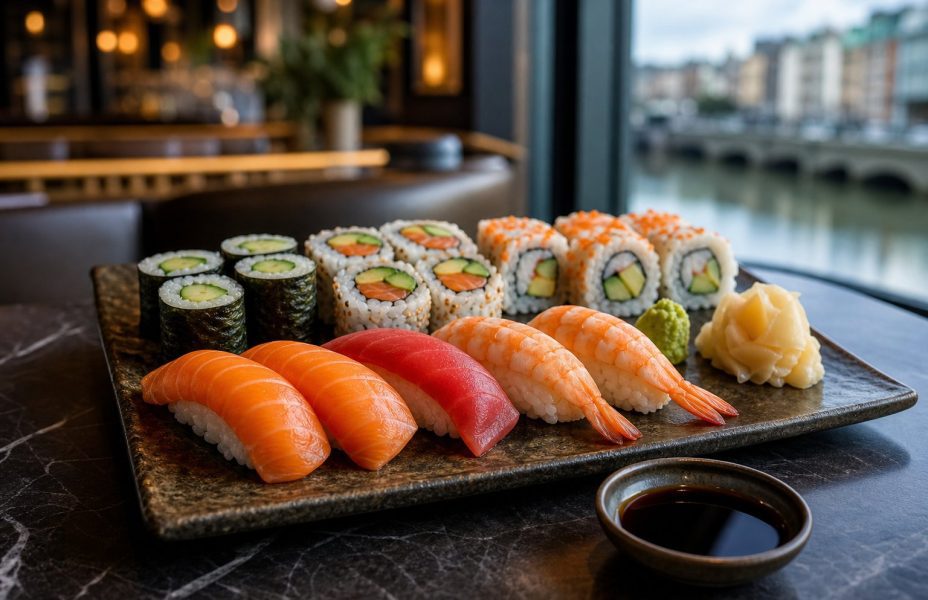
Salmon leads almost every sushi counter in Dublin. Ask a chef at a busy city-centre bar what leaves the kitchen most often, and the answer lands on salmon nigiri, salmon maki and the California roll, with tuna close behind. Those three formats appear on nearly every menu in the city, from small takeaway counters to full Japanese restaurants with ramen and grills.
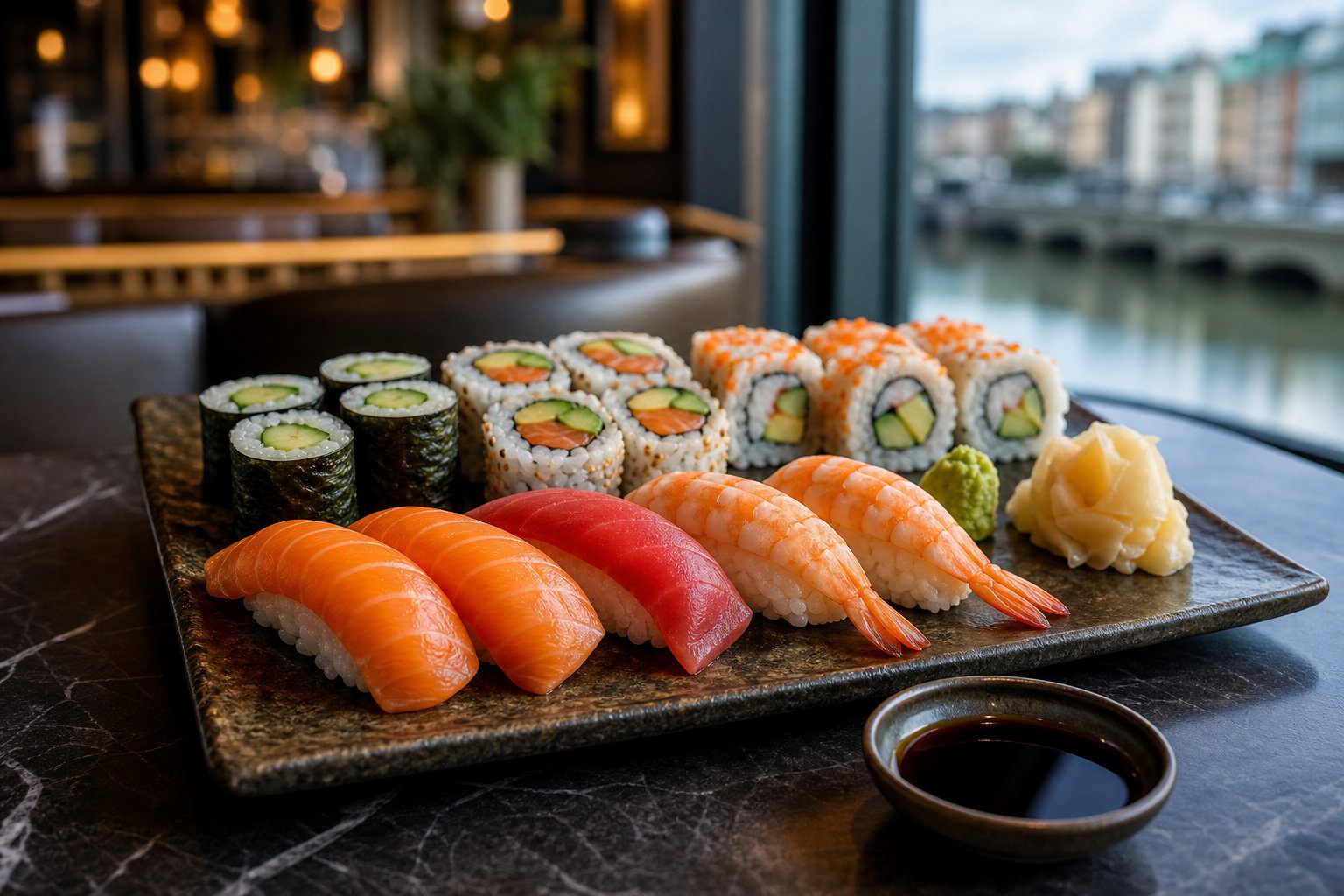
If you want the short practical answer to what is the most popular sushi in Dublin, it is salmon: raw as nigiri or sashimi, rolled into maki, or wrapped inside a California-style roll with avocado. Popularity here reflects what sells, not a quality ranking, so treat it as a starting point for your own order.
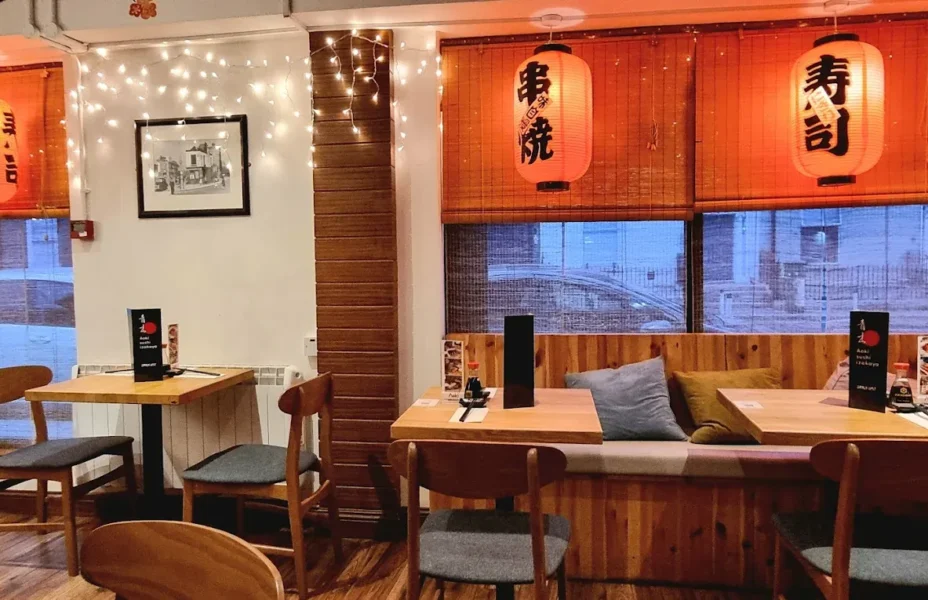
Dublin’s sushi scene has grown quickly. Yamamori opened in 1995 as only the second Japanese restaurant in Ireland, and today you can choose between family-run neighbourhood counters, six-branch noodle bars and izakaya-style rooms serving small plates with sake.
Key Takeaways
- Salmon and tuna dominate Dublin orders, usually as nigiri, maki or California rolls.
- Made-to-order preparation and well-seasoned rice separate a good roll from a forgettable one.
- Your best choice depends on whether you want a quick lunch, a shared platter or a longer Japanese meal.
The Sushi Orders Dublin Diners Choose Most
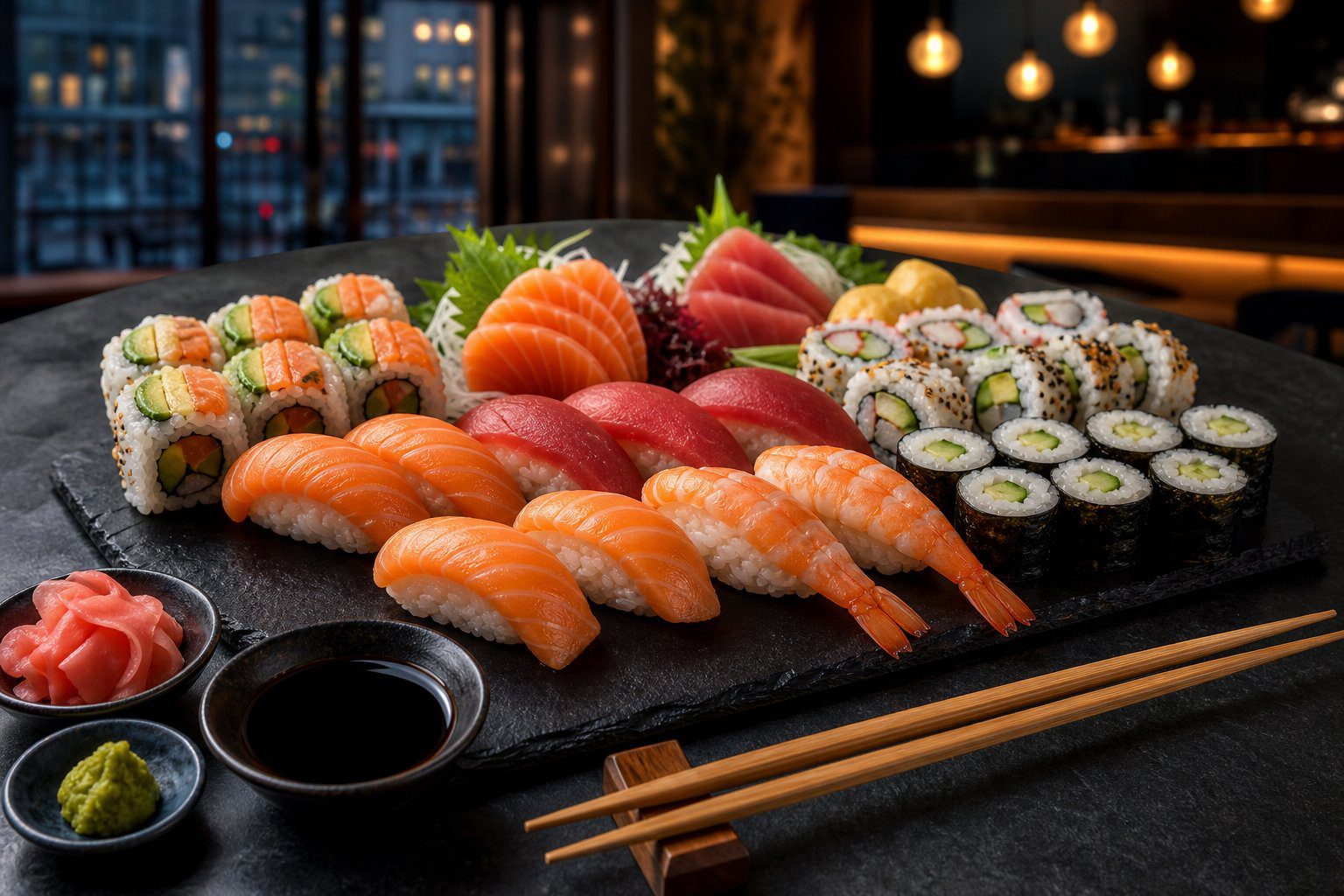
Across Dublin menus, the same handful of items repeat: salmon and tuna in some form, thin maki rolls, the California roll, and a smaller run of nigiri and sashimi plates. House specials like dragon and spider rolls sell well too, though they sit a step above the everyday order in price and richness.
Why Salmon and Tuna Remain the Go-To Choices
Salmon is soft, mildly sweet and forgiving, which makes it the safest first bite for anyone new to raw fish. Tuna is leaner and firmer, with a cleaner, more mineral flavour.
Irish diners also know salmon from smoked and grilled cooking, so the leap to raw feels smaller. If you are weighing up which sushi fish offers the best flavour, start with one piece of each and compare texture.
Maki, Norimaki and Futomaki: Everyday Roll Favourites
Maki simply means rolled sushi. Norimaki describes rolls wrapped on the outside in nori seaweed, and these thin six-piece rolls, salmon, tuna, cucumber, avocado, are the workhorse of Dublin lunch menus.
Futomaki are the fat rolls, often 4 to 5 cm across, packed with several fillings at once. Vegetarian futomaki turns up regularly, including on the menu at Musashi Noodle & Sushi Bar.
California Rolls and Uramaki for First-Time Diners
The California roll is uramaki: rice on the outside, nori hidden inside. Crab stick or crab salad, avocado and cucumber make it the most cooked-tasting entry point on a sushi menu.
Order it if raw fish feels like a stretch. Many Dublin counters sell more California rolls than any other single item.
Nigiri and Sashimi for a More Traditional Order
Nigiri is a hand-pressed finger of seasoned rice with a slice of fish on top, usually served in pairs. Sashimi drops the rice entirely and gives you sliced fish alone.
Both expose the kitchen’s work. Salmon nigiri is the most ordered version in Dublin, and it tells you quickly whether the rice is seasoned properly and the fish is freshly cut.
Dragon Rolls, Spider Rolls and Other Signature Creations
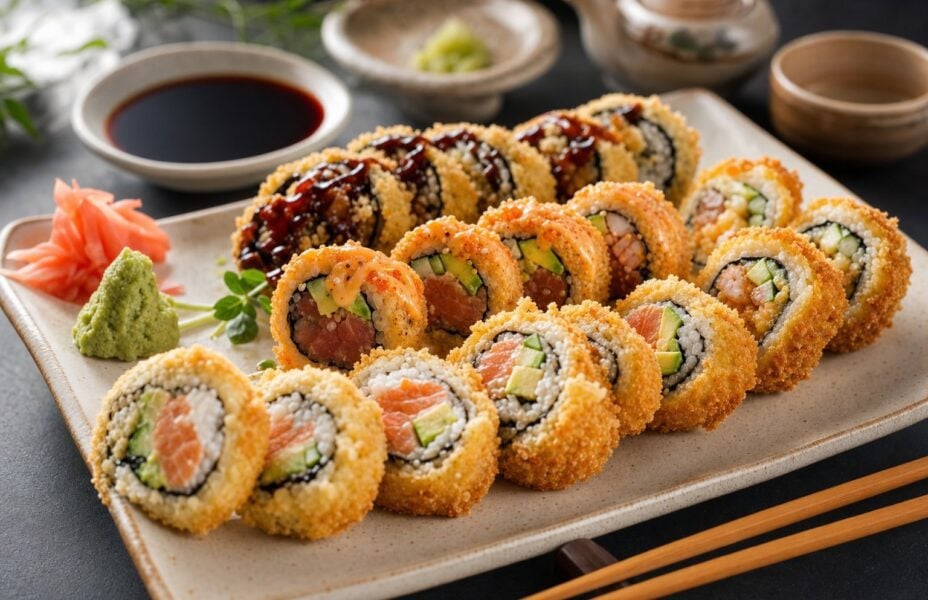
Dragon rolls (eel and avocado layered over the top) and spider rolls (soft-shell crab tempura inside) are the two signature rolls you will spot most often. Sauces, sesame and tempura crunch make them richer than a plain maki.
They work well for sharing. Two of these between two people, plus miso soup, is usually enough.
Where to Find Dublin’s Crowd-Favourite Sushi
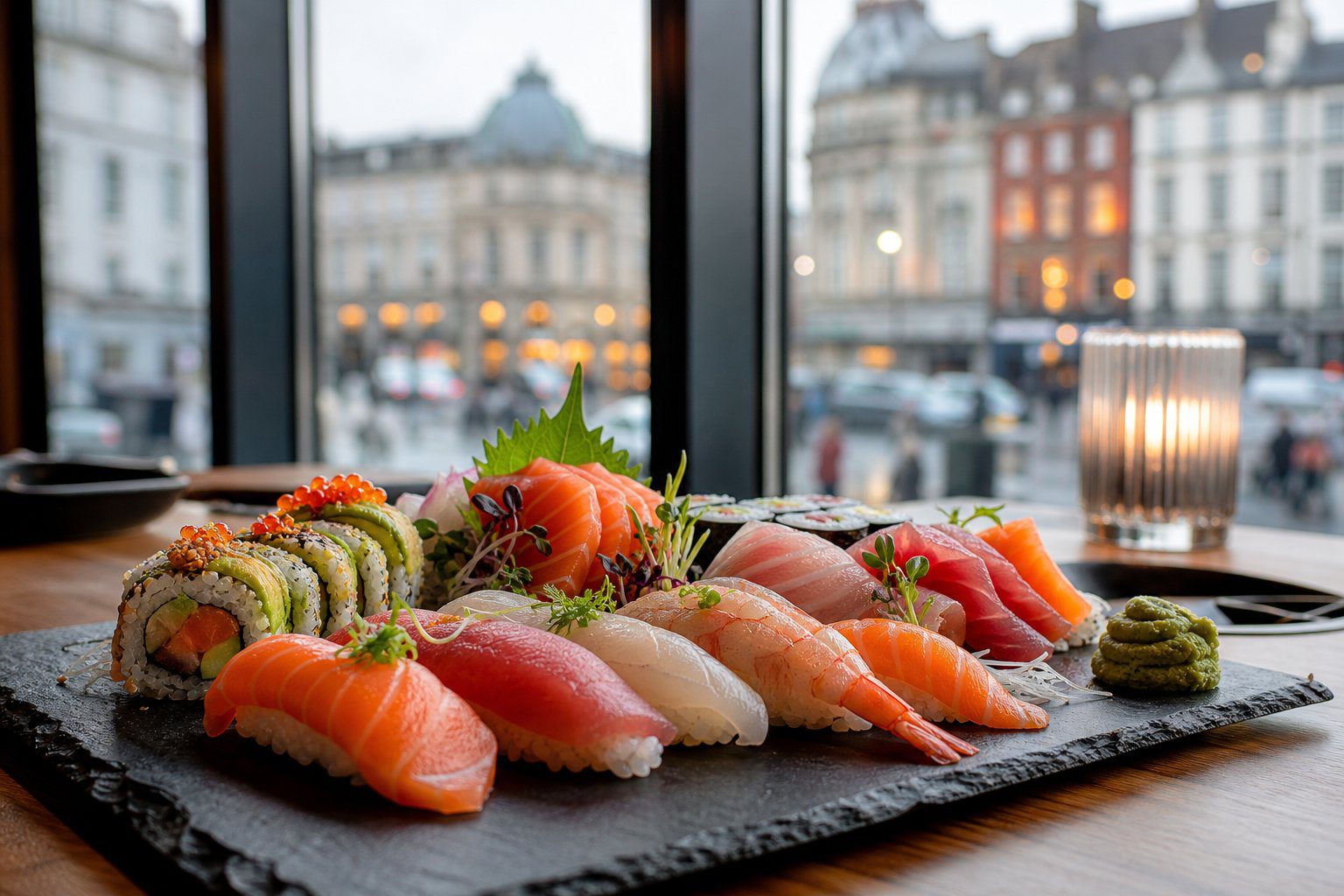
Dublin’s most frequently recommended sushi spots split into three groups: long-running city-centre Japanese restaurants, neighbourhood specialists built on made-to-order rolls, and larger menus that pair sushi with ramen or a grill. Locations, prices and opening hours change, so check the restaurant’s own menu before you travel across town.
Reliable City-Centre Sushi at Yamamori, Musashi and Eatokyo
Yamamori has been serving Japanese food in Dublin since 1995, which makes it the city’s longest-running option and a dependable choice near South Great George’s Street and Ormond Quay. Expect broad menus with sushi alongside ramen and yaki soba.
Musashi Noodle & Sushi Bar runs six Dublin locations (IFSC, Sandyford, Blanchardstown, Capel Street, Hogan Place and Parnell Street), and states on its website that sushi is made to order and never held over from the previous hour. Eatokyo Noodles and Sushi Bar sits close to the Ha’penny Bridge with Liffey views, mixing sushi with katsu curry and grilled mackerel. All three sit within easy reach if you are looking for sushi in Dublin city centre.
Made-to-Order Rolls at Michie Sushi in Ranelagh
Michie Sushi began as a Ranelagh takeaway in 2007 and now runs three Dublin locations (Ranelagh, Sandyford and Dún Laoghaire). It won the McKenna’s Best Sushi in Ireland award in its first year of trading.
The draw is hand-rolled sushi prepared to order, with ramen and hot dishes for colder evenings. It remains one of the most consistently recommended family-run sushi bars in the county.
Takara for Sushi and Ramen Near Abbey Street Upper
Takara Ramen & Deli Sushi Bar sits on Abbey Street Upper in Dublin 1, a short walk from the north city’s main shopping streets. It is easy to miss and worth finding.
The menu runs from grilled pork gyoza and tuna rolls to tonkotsu ramen, with beef, chicken and fish sourced locally. It suits a quick, warm lunch as much as a sushi order.
Creative Rolls and Late-Night Dining at Ukiyo and Maneki
Ukiyo on Exchequer Street pairs sushi and Korean dishes with late hours and private karaoke rooms downstairs, which makes it a practical stop after a Temple Bar evening. Maneki, near Dawson Street, leans towards fusion rolls with sauces and toppings.
Both are better suited to signature rolls than to plain nigiri. Check current opening times, as late-night service varies by night.
J2 Sushi & Grill and Zakura for a Wider Japanese Menu
J2 Sushi & Grill has branches at North Wall Quay, the CHQ Building, Jervis Shopping Centre and St Stephen’s Green. Fish comes from Wright’s of Marino and is wood-smoked in-house, with meat from F.X. Buckley.
Zakura Izakaya on Upper Baggot Street holds over 1,100 Google reviews, with sushi rolls on the dinner menu priced from roughly €3.60 to €14.95 depending on size. Tempura, ramen and ebi gyoza round out the order.
How to Order for Your Appetite, Budget and Occasion
Your order should match the meal you want: a bento box and miso soup for a fast lunch, a shared platter for a table of four, or a longer izakaya-style sequence of small plates with sake. Sushi prices in Dublin move sharply between a €10 takeaway roll and a multi-course tasting menu.
A Casual Lunch: Maki Rolls, Bento Boxes and Miso Soup
Two maki rolls plus miso soup is the standard Dublin lunch, usually around €12 to €16. A bento box adds rice, salad and a cooked item in one tray.
For speed, order ahead. Many counters have the rolls cut and boxed within minutes at peak times, and several appear in guides to top-rated take-away sushi in Dublin.
Sharing Dinner: Sushi Platters and Mixed Selections
A sushi platter is the most efficient order for two or more people. Mixed selections combine nigiri, maki and a signature roll so nobody commits to one style.
Order one platter for every two diners, then add gyoza or tempura. Ask whether the platter is cut to order, since pre-made trays sit less well after 30 minutes.
Beyond Raw Fish: Tempura, Ramen and Gyoza
Every serious sushi restaurant in Dublin serves hot food too. Prawn tempura, pork gyoza and a bowl of ramen make a full meal without raw fish.
Donburi, a rice bowl topped with meat or fish, is another easy option. Teppanyaki, where food is grilled in front of you, is available in Rathmines.
Date Night and Special Occasions: Omakase and Japanese Dining
Omakase means you leave the selection to the chef, course by course. Dublin has a small number of tasting-menu options, including an 18-course menu blending Edomae sushi technique with Irish seafood.
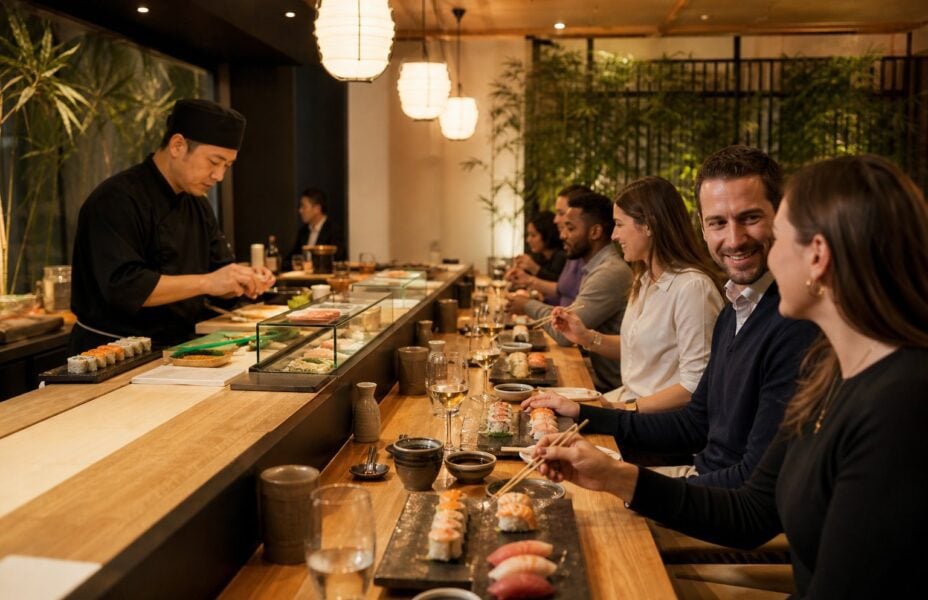
Book well ahead and expect a higher price point. For a quieter neighbourhood alternative, a cosy sushi restaurant often works better than a busy city-centre room.
Drinks and Small Plates in an Izakaya Setting
An izakaya is a Japanese pub: small plates, beer and sake, ordered in waves. Zakura Izakaya is the clearest Dublin example of the format.
Start with edamame and gyoza, add yakitori skewers, then finish with sushi. Warm sake suits cold evenings; chilled junmai works better with raw fish.
What Makes a Popular Sushi Order Worth Repeating
A sushi order earns a return visit on two things: fish cut fresh that day and rice seasoned and served at the right temperature. Popularity tells you what sells; these details tell you whether it was worth ordering.
Fresh Fish and Properly Seasoned Rice
Good rice tastes faintly sweet and sharp from vinegar, holds together when lifted, and falls apart in your mouth. Cold, dense or bland rice is the most common fault in a weak roll.
Fresh fish looks glossy rather than dull, with clean edges. The freshest counters in Dublin cut to order, so a two-minute wait is a good sign. For home cooks, sourcing fresh sushi ingredients in Dublin follows the same logic.
Balance, Texture and Sensible Portion Sizes
A well-built roll gives you fish, rice, something crisp and a little acidity in one bite. Too much rice flattens everything.
Watch the portion size as well. Six pieces of maki plus four of nigiri is enough for most appetites at lunch; ordering three rolls each usually ends with waste.
When to Choose Classics Over Heavily Sauced Rolls
Order salmon nigiri or a simple tuna maki when you want to judge a kitchen. Sweet eel sauce, spicy mayo and crispy onion mask the flavour of the fish underneath.
Signature rolls are a fair choice when you want something rich and filling. Keep one classic on the table for comparison, and try pairing sushi with sides and sauces to balance the heavier options.
Dietary Needs, Cooked Options and Vegetarian Choices
Vegetarian futomaki, avocado maki, cucumber rolls and inari are widely available across Dublin. Ask about plant-based sushi options if you avoid all animal products, since some crab sticks and sauces contain egg or fish.
For gluten avoidance, request tamari in place of soy sauce and skip tempura-filled rolls. Japanese cuisine also offers cooked options such as chicken katsu, teriyaki and ramen at most of these restaurants.
Choose the Sushi Style That Suits Your Dublin Meal
Salmon nigiri, salmon and tuna maki, and the California roll are the orders Dublin diners return to most, and they remain the fairest test of any new sushi counter. Elaborate dragon and spider rolls sell strongly too, though their sauces do more of the talking.
Match the venue to the occasion: a made-to-order neighbourhood bar for a weekday lunch, a mixed platter at a city-centre restaurant for sharing, an izakaya room for small plates and sake. Menus, prices and hours at Dublin’s sushi restaurants change through the year, so confirm details directly with the restaurant before you go.
Frequently Asked Questions
What type of sushi is most popular in Dublin?
Salmon is the most popular sushi in Dublin, ordered as nigiri, in maki rolls and as sashimi. California rolls and tuna maki follow closely, and they appear on almost every sushi menu in the city. Signature house rolls sell well but sit above these classics in price.
Where can I find good salmon nigiri in Dublin?
Look for counters that cut and press sushi to order, such as Michie Sushi in Ranelagh or Musashi Noodle & Sushi Bar, which states its sushi is never held over from the previous hour. City-centre restaurants including Yamamori and Zakura Izakaya also serve nigiri on their dinner menus. Ask whether the fish is cut fresh before you order.
Which Dublin sushi restaurants are best for a casual lunch?
Aoki Sushi Noodle, and Eatokyo near the Ha’penny Bridge all suit a quick weekday lunch. Each combines maki rolls with hot dishes such as ramen or katsu curry.