
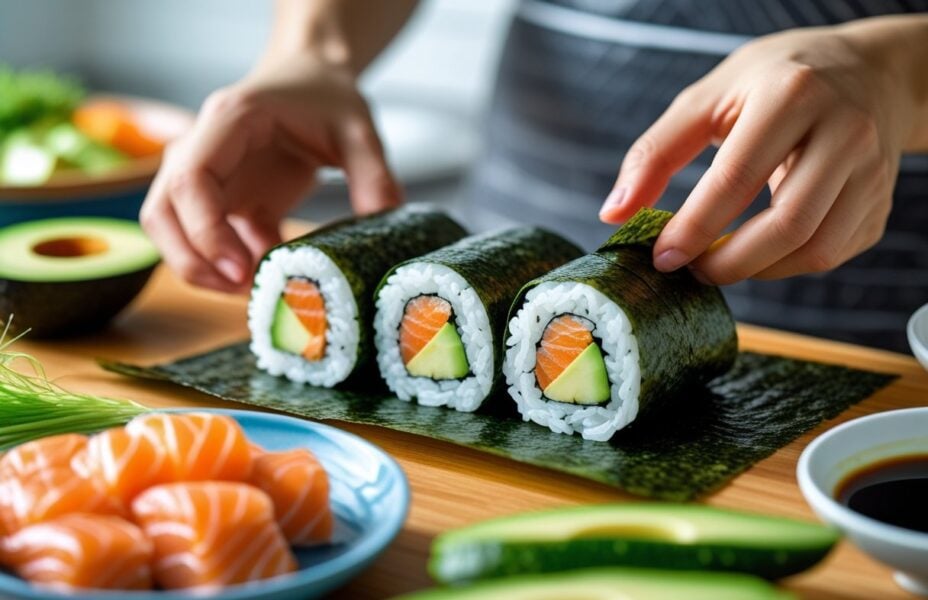
How to Make Uramaki Sushi Rolls Without Bamboo Mat: Step-by-Step Guide
You can make clean, restaurant-style uramaki (inside-out) rolls without a bamboo mat by using plastic wrap, a clean towel, or cling film, plus a steady, gentle roll. With properly cooled sticky rice, restrained fillings, and a simple towel-or-plastic-wrap method, you’ll get tight inside-out rolls that hold together and slice neatly. This post walks you through each step so you can go from spreading the rice to sealing the final roll with confidence. You’ll see how to control rice stickiness, layer nori and fillings, form the roll without a mat, and cut tidy pieces for a plate that looks as good...

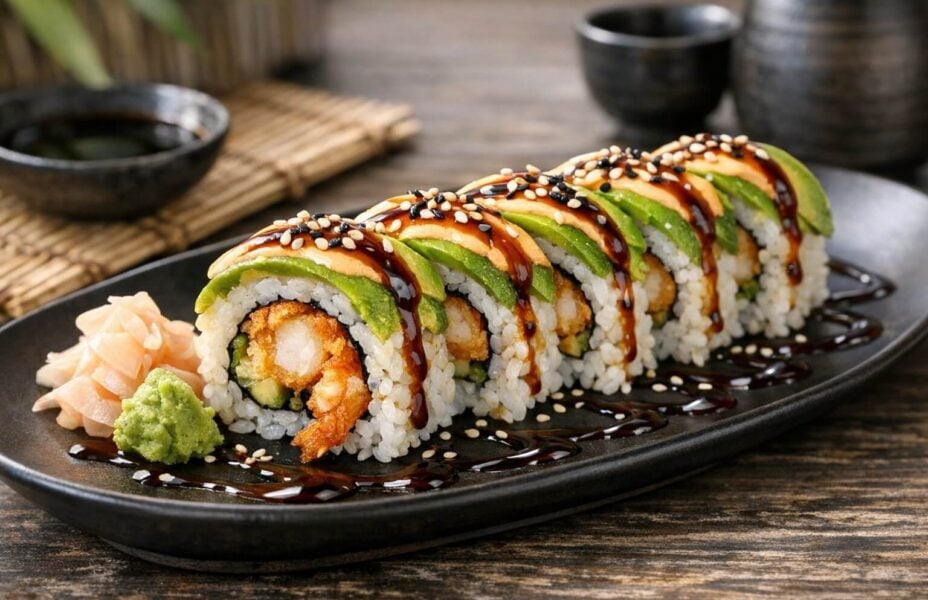
What Is a Tiger Sushi Roll? Ingredients, Variations & How to Enjoy
Tiger roll sushi has become a go-to at many sushi spots, especially for folks who want to skip raw fish. A tiger roll is a sushi roll with tempura-fried shrimp, cucumber, avocado, sushi rice, and nori seaweed. It’s a cooked option, great for anyone new to sushi. The name comes from the tiger shrimp in the roll, though you’ll sometimes find different takes on it. This roll stands out with its mix of textures and flavors. The crispy shrimp tempura plays off the creamy avocado and crunchy cucumber. Tiger rolls are higher in calories than a lot of other sushi...

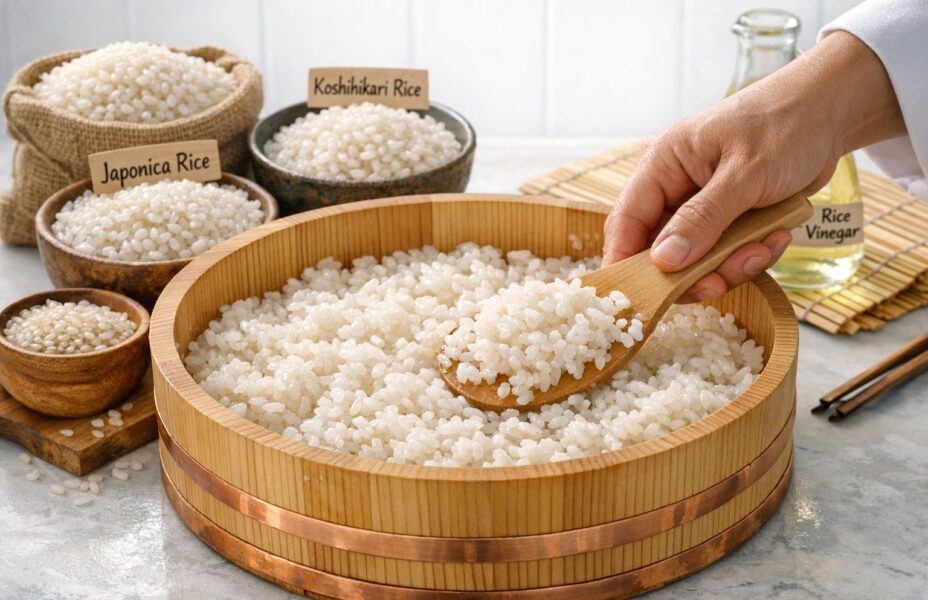
What Rice for Sushi Roll: Best Types, Preparation, and Tips
Making sushi at home? It all starts with picking the right rice. If you use the wrong kind, your rolls will fall apart or taste kind of bland. Getting this foundation right makes a huge difference between a so-so attempt and something that actually feels restaurant-worthy. The best rice for sushi rolls is short-grain Japanese rice. It’s usually labelled as "sushi rice" at the store and has a high starch content, which creates the sticky texture you need to keep your rolls together. Varieties like koshihikari, hitomebore, and akitakomachi are top picks. These types have more amylopectin starch than other...
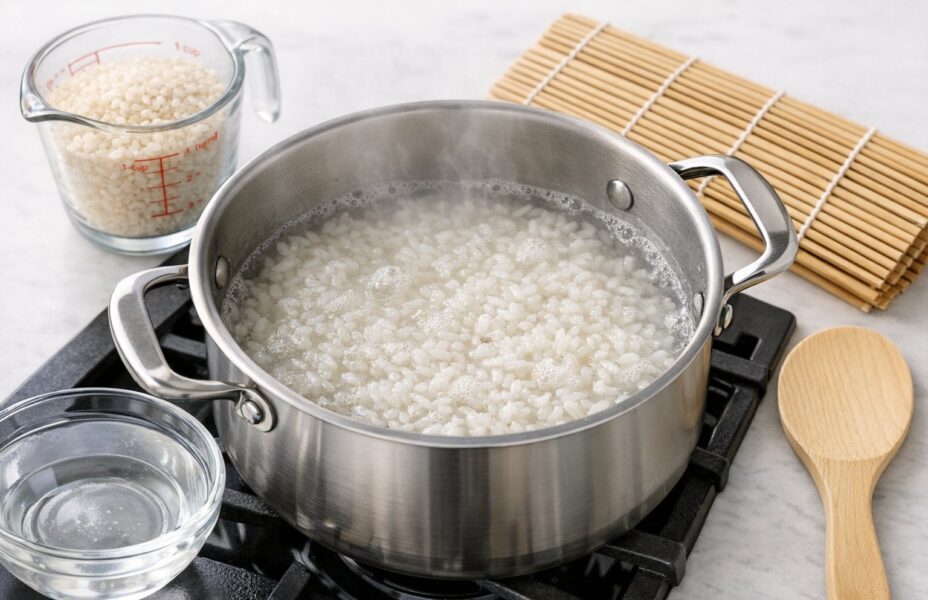
How to Boil Rice for Sushi: Essential Guide for Perfect Sushi Rice
Making sushi at home starts with perfectly cooked rice. Boiling it on your stove gives you more control than you might expect. A lot of folks think you need fancy gadgets, but honestly, a regular pot and good technique will do the trick. That sticky, slightly sweet rice that holds sushi together? Totally doable. To boil rice for sushi, rinse short-grain Japanese rice until the water runs clear. Combine it with water in a 1:1.25 ratio, bring to a boil, then simmer covered for 15-20 minutes, and let it rest for 10 minutes off the heat. Once cooked, season the...
Why Sushi Rice Is Sticky: The Science, Rice Varieties, and Preparation
Sushi rice has a texture all its own. If you've ever wondered why it clings together so perfectly, the answer is in its chemistry and how you prepare it. Sushi rice is sticky because it contains high amounts of a starch called amylopectin, which forms a gel-like substance when the rice is cooked and absorbs water. Stickiness isn't just a happy accident. Short-grain Japanese rice varieties, the kind used for sushi, naturally have more amylopectin than other rices. When you cook this rice, the starch granules swell and create a sticky paste that holds the grains together. This texture is...

Can Sushi Be Cooked? Exploring Cooked and Raw Sushi Options
When people think of sushi, they usually picture raw fish on rice. But sushi can absolutely be cooked, and many popular types of sushi feature cooked ingredients like grilled eel, shrimp tempura, and seared salmon. The idea that all sushi must be raw is a common misconception. While traditional sushi often uses raw fish, cooking has always been part of the sushi world. People often wonder what makes sushi authentic and if cooking changes its nature. Honestly, sushi is defined more by its seasoned rice than by whether the toppings are raw or cooked. Many Japanese sushi styles involve heat—grilling,...
Where to Buy Sushi in Dublin, Ireland: Tips & Trusted Sources
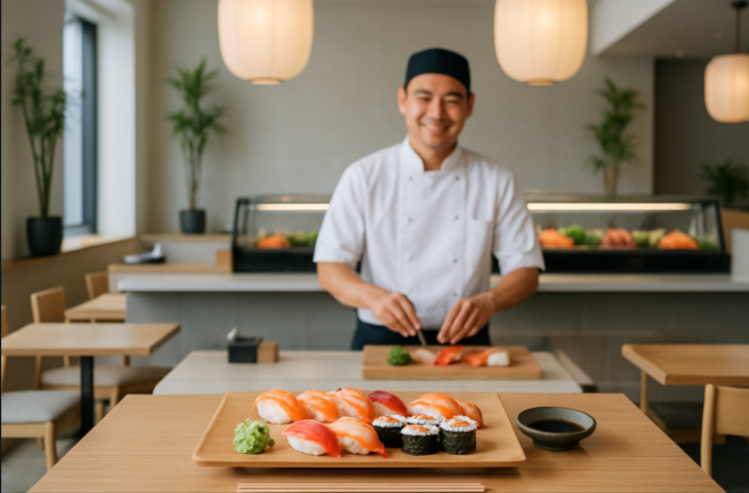
Sushi’s everywhere these days, but finding the good stuff isn’t always obvious. If you’re hungry for a quick bite or planning a special meal, it helps to know your options. You can buy sushi from local restaurants, supermarkets, specialist takeaways, and online delivery services. Each one offers a different mix of freshness, variety, and convenience. Traditional Japanese restaurants usually make sushi to order with fresh ingredients. Grocery shops sell pre-packaged selections for a fast meal. Sushi takeaways and restaurants can deliver if you’d rather eat at home. Here’s a guide to where you can get sushi, whether you want to...

What Is the Difference Between Sushi and Sashimi? Key Comparisons & Facts
Ever looked at a Japanese menu and wondered: what's the real difference between sushi and sashimi? It's a super common question, and honestly, the answer can make your dining experience way better. The main difference is pretty straightforward: sushi always has vinegared rice, while sashimi is just thinly sliced raw fish or meat—no rice at all. This shapes everything, from how they're made to what they taste like. Sushi combines seasoned rice with all sorts of ingredients—fish, veggies, or even eggs—sometimes wrapped in seaweed. Sashimi, on the other hand, is all about the quality of the raw seafood, sliced just...

Is Sushi Ok When Losing Weight? Smart Choices for Diet Success
If you love sushi and you’re trying to lose weight, here’s some good news: you don’t have to give it up. Sushi can fit into a diet, but what really matters is the type of sushi you choose and how it’s made. The trick is to know which rolls to order and pay attention to the ingredients. Not every sushi option is created equal for weight loss. Sushi usually pairs lean fish with veggies, so it’s often lower in calories than a lot of other restaurant meals. But let’s be honest—those fried tempura rolls, cream cheese-filled Philadelphia rolls, and sweet...

What Does Maki Mean in Sushi? A Complete Guide to Rolled Sushi
When we think about sushi, we often hear the term "maki" thrown around, but what does it actually mean? In Japanese, "maki" simply means "to roll," making maki sushi literally "rolled sushi" - any type of sushi where vinegared rice and fillings are rolled together in seaweed. The beauty of maki lies in its cylindrical shape, which is created by rolling ingredients in a sheet of nori (dried seaweed) and then slicing the roll into bite-sized pieces. Unlike other sushi forms that can vary dramatically in presentation, maki maintains this consistent rolled structure that makes it both visually appealing and...